California Lawmakers Unanimously Exempt Open-Source Operating Systems from Age-Verification Law
California lawmakers have unanimously passed Assembly Bill 1856, exempting open-source operating systems like Linux from the state's controversial Digital Age Assurance Act, a critical move that averts an existential threat to the open-source ecosystem and sets a vital precedent for future tech regulation.
✨ This content was summarized and interpreted by AI; it may contain errors — please verify accuracy with the original sources. Learn more
Listen to this story
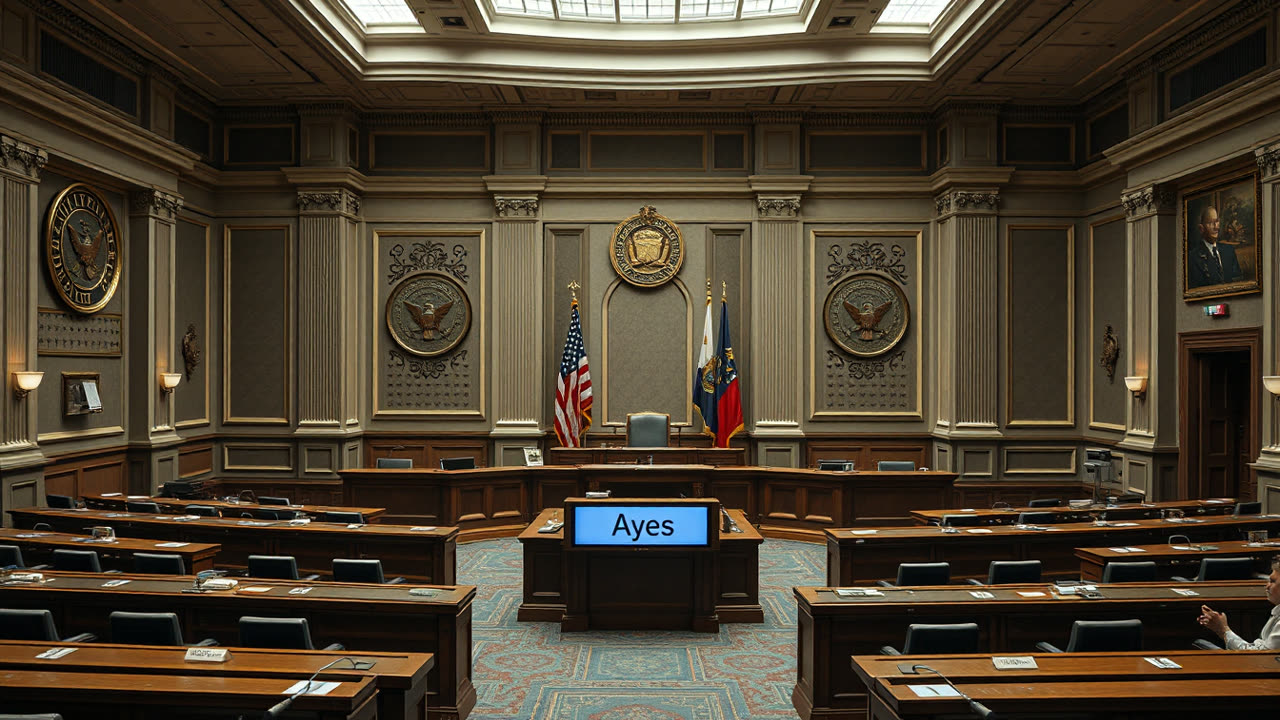
California lawmakers unanimously passed Assembly Bill 1856, exempting open-source operating systems distributed under permissive licenses like GPL, MIT, BSD, and Apache from the State’s controversial Digital Age Assurance Act (DAAA), a critical legislative move that averts a significant existential threat to the open-source ecosystem just months before the DAAA's scheduled implementation on January 1, 2027. This exemption, spearheaded by Assemblymember Josh Lowenthal, represents a nuanced understanding by legislators of the unique nature of open-source software, preventing a regulatory nightmare that could have stifled innovation and accessibility within the state.
The Digital Age Assurance Act, signed into law in September 2023 as Assembly Bill 1136, mandates that online platforms likely to be accessed by minors implement robust age verification mechanisms to restrict access to "age-inappropriate" content. While its intent was to protect children online, the DAAA's broad initial scope inadvertently threatened to ensnare open-source operating systems. The original text lacked specific provisions for software, raising alarm bells among privacy advocates and the open-source community. Unlike proprietary software, which often operates under a centralized entity, open-source projects are developed collaboratively by a global network of volunteers and organizations, making compliance with age-verification mandates logistically impossible and fundamentally at odds with their decentralized distribution model. Requiring age verification for a Linux distribution, for instance, would impose an insurmountable burden on developers and maintainers, many of whom are not commercial entities and lack the resources or legal infrastructure to implement such systems. This could have effectively banned the distribution of popular open-source operating systems and countless applications within California, forcing users to either abandon these platforms or circumvent the law, undermining both security and compliance.
The impact on users would have been profound, potentially limiting access to a vast array of free and open-source software crucial for education, development, and personal computing. For instance, students, hobbyists, and even businesses relying on Linux servers or open-source development tools might have faced significant barriers. The exemption ensures that California users can continue to freely download, use, and modify open-source software without encountering age gates or privacy-invasive verification processes, preserving a fundamental tenet of the open-source philosophy. Furthermore, it protects user privacy by preventing the collection of sensitive personal data for age verification purposes, which would have been a direct consequence had the DAAA applied to open-source OS.
For the industry, the passage of AB 1856 is a significant victory, safeguarding California's position as a hub for technological innovation. Had the exemption not passed, companies heavily reliant on open-source infrastructure—from startups to tech giants—would have faced compliance headaches, potential legal liabilities, and operational disruptions. The state's vibrant developer community, a significant portion of which contributes to or utilizes open-source projects, would have been severely hampered. This legislative clarification provides much-needed regulatory certainty, allowing developers and businesses to continue leveraging open-source technologies without fear of inadvertently violating state law. It also sets a precedent, demonstrating that lawmakers can engage with the technical nuances of software distribution rather than applying one-size-fits-all regulations.
The DAAA itself is part of a growing trend of states attempting to regulate online content and protect minors, following similar efforts like Utah’s Social Media Regulation Act and Arkansas’ Act 689, both of which faced legal challenges. California's approach, however, has been scrutinized for its potential overreach and the privacy implications of widespread age verification. The initial broad language of the DAAA mirrored some of the concerns seen in other jurisdictions where digital age assurance laws have been criticized for impinging on free speech and requiring extensive data collection. The successful advocacy for the open-source exemption highlights the importance of specific, tailored legislation that considers the diverse nature of digital technologies, rather than applying blanket regulations that can cause unintended harm.
Looking ahead, the passage of AB 1856 is a powerful signal to the rest of the nation and indeed the world. As more jurisdictions grapple with regulating the digital sphere, California's decision provides a crucial blueprint for how to balance child protection with the preservation of open innovation and user freedom. It underscores the necessity for legislative bodies to consult with technical experts and understand the operational realities of different software models. While the immediate crisis for open-source operating systems in California has been averted, the broader conversation around digital age assurance and content moderation will undoubtedly continue. This legislative victory for open source may encourage other states contemplating similar laws to include explicit exemptions, fostering a more harmonious regulatory environment for open-source software globally. However, the precedent also raises questions about other categories of open-source software, such as applications and libraries, that might still fall under the DAAA's purview, suggesting that ongoing vigilance and advocacy will be essential for the open-source community. The nuanced understanding demonstrated by California lawmakers in this instance provides a hopeful outlook for future tech-centric legislation, indicating a growing recognition of the delicate balance between regulation and innovation.