Canon Unveils EOS R8 Mark II: A Full-Frame Mirrorless Camera with Retro Design and Crucial IBIS Upgrade
Canon has just unveiled the EOS R8 Mark II, a 24.2-megapixel full-frame mirrorless camera that dramatically departs from the brand's typically rounded aesthetic, instead embracing a squared-off, angular design inspired by classic Canon T-series SLRs, while adding crucial 5-axis in-body image stabilization.
✨ This content was summarized and interpreted by AI; it may contain errors — please verify accuracy with the original sources. Learn more
Listen to this story
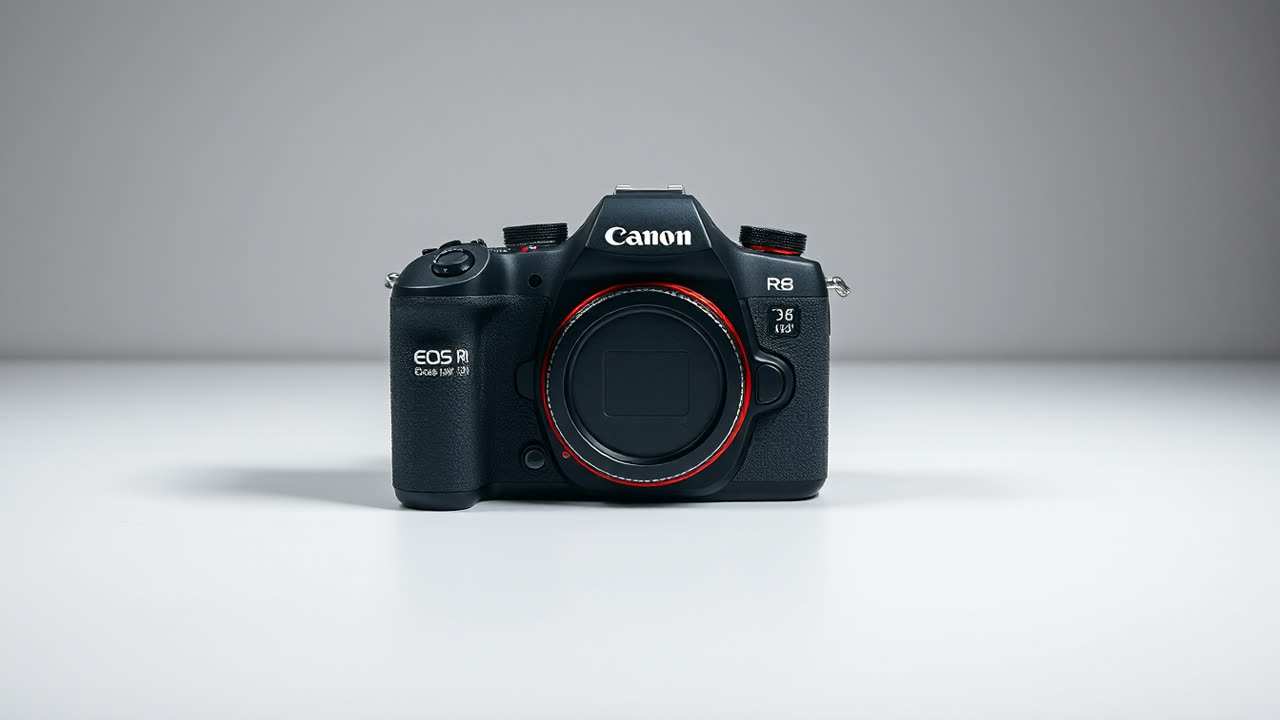
Canon has just unveiled the EOS R8 Mark II, a 24.2-megapixel full-frame mirrorless camera that dramatically departs from the brand's typically rounded aesthetic, instead embracing a squared-off, angular design inspired by classic Canon T-series SLRs like the EOS 650 and T80. Announced on September 15 or 16, 2026, depending on global time zones, this release signals a significant strategic pivot for Canon, demonstrating a renewed focus on its full-frame photography market even amidst its recent preoccupation with vlogging-centric devices. The R8 Mark II, set to ship in late October 2026 with an estimated body-only price of $1,899, directly addresses critical shortcomings of its predecessor while introducing a polarizing yet intriguing design philosophy.
The R8 Mark II retains the 24.2MP full-frame CMOS sensor and DIGIC X processor found in the original R8 and the higher-tier EOS R6 Mark II, striking a balance between detail, speed, and low-light performance for both stills and video. However, its most significant upgrade is the inclusion of 5-axis in-body image stabilization (IBIS), a feature conspicuously absent from the original R8 and a common point of contention among users. This IBIS system promises up to 7.5 stops of coordinated stabilization with supported lenses, making the R8 Mark II the lightest full-frame EOS body to incorporate this crucial technology, weighing approximately 546 grams with battery and card. Beyond stabilization, the Mark II boasts enhanced autofocus, leveraging Canon's Dual Pixel CMOS AF II with improved subject tracking for people, animals, and vehicles across 100% of the frame, including a new "Register people priority" option. Continuous shooting speeds remain at a blistering 40 frames per second with the electronic shutter, but the buffer has been substantially expanded, allowing for 58% more JPEG and 30% more RAW images in a single burst. Video capabilities are robust, offering uncropped 4K 60p (oversampled from 6K) and Full HD 180p, alongside Canon Log 3 for advanced color grading. A new multi-controller joystick has also been added, restoring a key ergonomic control point missing from the R8.
This revamped design and feature set hold considerable implications for users and the broader industry. For photographers, the R8 Mark II offers a compelling blend of modern performance with a nostalgic aesthetic. The "retro" design, while not a direct replica like some competitors, aims to appeal to a demographic that appreciates the tactile feel and visual heritage of classic film cameras. The addition of IBIS fundamentally transforms the camera's utility, enabling sharper handheld shots in challenging conditions and smoother video, making it a far more versatile tool for travel, street, and everyday photography. The improved autofocus and deeper buffer further cement its position as a capable hybrid shooter, catering to the growing demand for cameras that excel in both stills and video. However, some users may find the continued use of the smaller LP-E17 battery, known for its limited 290-shot life in the R8, a drawback, potentially necessitating multiple spares for extended shoots.
From an industry perspective, the R8 Mark II represents Canon's assertive move to reinforce its presence in the competitive full-frame mirrorless market, particularly against rivals like Nikon and Sony. Nikon's retro-styled Zf, released in September 2023, has garnered significant attention for its overt homage to film cameras, featuring a silvered magnesium alloy finish and dedicated control dials. While the R8 Mark II's design is a more "modern twist" on heritage, it directly responds to the market's appetite for cameras that evoke a sense of tradition without sacrificing contemporary performance. Canon's recent emphasis on vlogging cameras like the PowerShot V10 and EOS R50 V showcased its commitment to content creators. The R8 Mark II demonstrates that Canon is simultaneously strengthening its core photography offerings, ensuring it doesn't cede ground in the full-frame segment. Compared to the Nikon Zf, the R8 Mark II is significantly lighter, a potential advantage for travel photographers, though the Zf boasts a higher-resolution EVF and better battery life. The R8 Mark II's aggressive 40fps electronic shutter and advanced AF, coupled with IBIS, position it as a strong contender in the enthusiast-level full-frame market.
Looking ahead, the R8 Mark II's design choice could signal a broader shift in Canon's aesthetic philosophy, potentially paving the way for more heritage-inspired cameras in its lineup. While not a direct retro clone, this angular departure from its established design language suggests Canon is willing to experiment to capture market segments valuing both classic appeal and cutting-edge technology. The ongoing battle for market share in the full-frame mirrorless segment will likely see continued innovation in features like IBIS, autofocus tracking, and video capabilities, as manufacturers strive to differentiate their offerings. Canon's commitment to delivering a compelling, feature-rich full-frame camera at an accessible price point, combined with a refreshed design, indicates a vibrant future for enthusiast photographers and a dynamic competitive landscape for camera manufacturers.