Casio Unveils "CasioNaut" G-Shock 2500 Series, Targeting Affordable Luxury
Casio's new G-Shock 2500 series, dubbed "CasioNaut," expands its successful strategy of offering luxury-inspired aesthetics with G-Shock durability at accessible price points, featuring a novel magnetic hand mount and a November 2026 release.
✨ This content was summarized and interpreted by AI; it may contain errors — please verify accuracy with the original sources. Learn more
Listen to this story
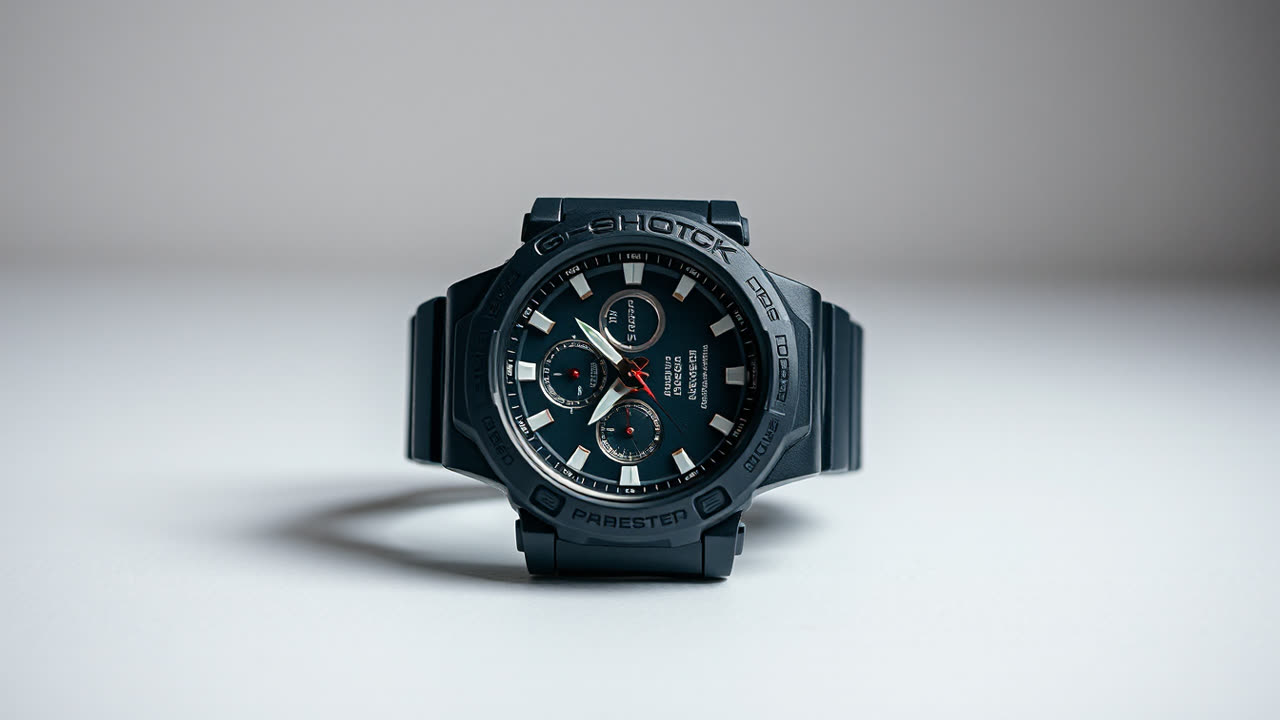
Casio has unveiled its new G-Shock 2500 series, dubbed the "CasioNaut" by enthusiasts, marking another strategic foray into accessible luxury homages following the wildly successful "CasiOak." Scheduled for a November 2026 release in Japan, the series arrives in three distinct tiers: the full-metal GMC-2500D, the metal-bezel GMC-2500, and the all-resin GAC-2500, with prices ranging from approximately $134 to $318. This tiered approach, from the ¥20,900 (about $134) GAC-2500 to the ¥49,500 (about $318) GMC-2500D, immediately signals Casio’s intent to capture a broad segment of the market seeking luxury aesthetics without the exorbitant price tag of its high-horology inspirations.
The core innovation across the 2500 series is a novel magnetic hand mount for the hour and minute hands. Instead of being pinned to a shaft, these hands are held magnetically, allowing them to shift under severe impact to prevent breakage, a testament to G-Shock's foundational commitment to extreme durability. This mechanism also cleverly moves the hands clear of the date window when they would otherwise obstruct it, enhancing legibility. While the minute hand may briefly wobble after a hard knock, it is designed to return to its correct position within minutes. Each model features a 200-meter water resistance and a mineral crystal, housed within a robust case measuring around 46.7 x 43.8 x 12.9 mm for the metal versions and 46.7 x 44.5 x 12.7 mm for the resin variant. The watches present a two-eye analog layout, incorporating a small-seconds subdial and a three-digit rolling "Multi-Mission Date" window, which can change its function depending on the mode in use. Power is supplied by a standard battery, offering an approximate two-year life, extendable by a user-triggered second-hand sleep function, with an accuracy rating of ±15 seconds per month. Notably, unlike some of Casio's more advanced G-Shock lines like the GMC-B2100, the 2500 series omits Tough Solar charging and Bluetooth connectivity, suggesting a deliberate focus on core functionality and a more traditional, analog-first user experience to maintain its accessible price point. Furthermore, the resin components in the GAC-2500 and GMC-2500 models are partly crafted from biomass plastic, indicating Casio's subtle integration of environmental considerations into its product development.
This launch matters significantly, not just for Casio but for the entire watch industry, as it further solidifies the brand's position as a disruptor in the "affordable luxury" segment. The "CasioNaut" moniker, much like its predecessor the "CasiOak," explicitly draws inspiration from ultra-luxury timepieces, in this case, the Patek Philippe Nautilus, a horological grail that, in models like the 5740/1G, commands prices upwards of $150,000 and is now discontinued. By offering a G-Shock interpretation of such an iconic design, Casio democratizes the aesthetic, making it accessible to a far wider audience who appreciate the visual language of high horology but operate within a different budget. This strategy taps into a growing consumer preference for stylish, high-quality watches that are also reasonably priced, a trend that has seen the global affordable watch market grow significantly. The success of the "CasiOak," which debuted in 2019 with its Audemars Piguet Royal Oak-inspired octagonal bezel and quickly sold out, demonstrated the immense appetite for such design-led, durable, and inexpensive alternatives. The CasiOak, with its slim profile and Carbon Core Guard structure, became a cult hit, often trading for higher prices on the secondary market, proving the viability of this homage model. The 2500 series builds on this legacy, translating a different high-end aesthetic into the G-Shock vernacular while introducing a new durability feature with the magnetic hands.
Looking ahead, Casio's continued embrace of luxury homages, alongside its broader push into genuine high-end G-Shock lines like the MR-G series which can exceed $7,000, paints a picture of a brand strategically segmenting the watch market. This dual approach allows Casio to cater to both entry-level enthusiasts drawn to iconic designs at accessible prices and seasoned collectors seeking advanced technology and premium materials. The absence of solar and Bluetooth in the 2500 series suggests Casio is refining its product differentiation, offering specific feature sets at targeted price points rather than a one-size-fits-all approach. This could be a calculated move to keep production costs down for these design-focused models, making them even more competitive. Casio’s ability to blend technological craftsmanship, cultural authenticity, and affordability is challenging the traditional dominance of Swiss heritage brands, which are grappling with declining sales in some segments and an "affordable luxury" market that is increasingly under threat. The "CasioNaut" is more than just a new watch; it is a clear signal that Casio intends to continue redefining what luxury means in the modern watch landscape, prioritizing innovation and consumer demand over conventional prestige, and in doing so, further cementing its unique position in the global horological conversation.