CATL's Choco-SEB Battery Swap Network Reaches 2,000 Stations with Unprecedented Growth
World's largest battery maker CATL has rapidly deployed its 2,000th Choco-SEB battery swap station, maintaining a pace of over 200 new installations monthly and transforming EV refueling.
✨ This content was summarized and interpreted by AI; it may contain errors — please verify accuracy with the original sources. Learn more
Listen to this story
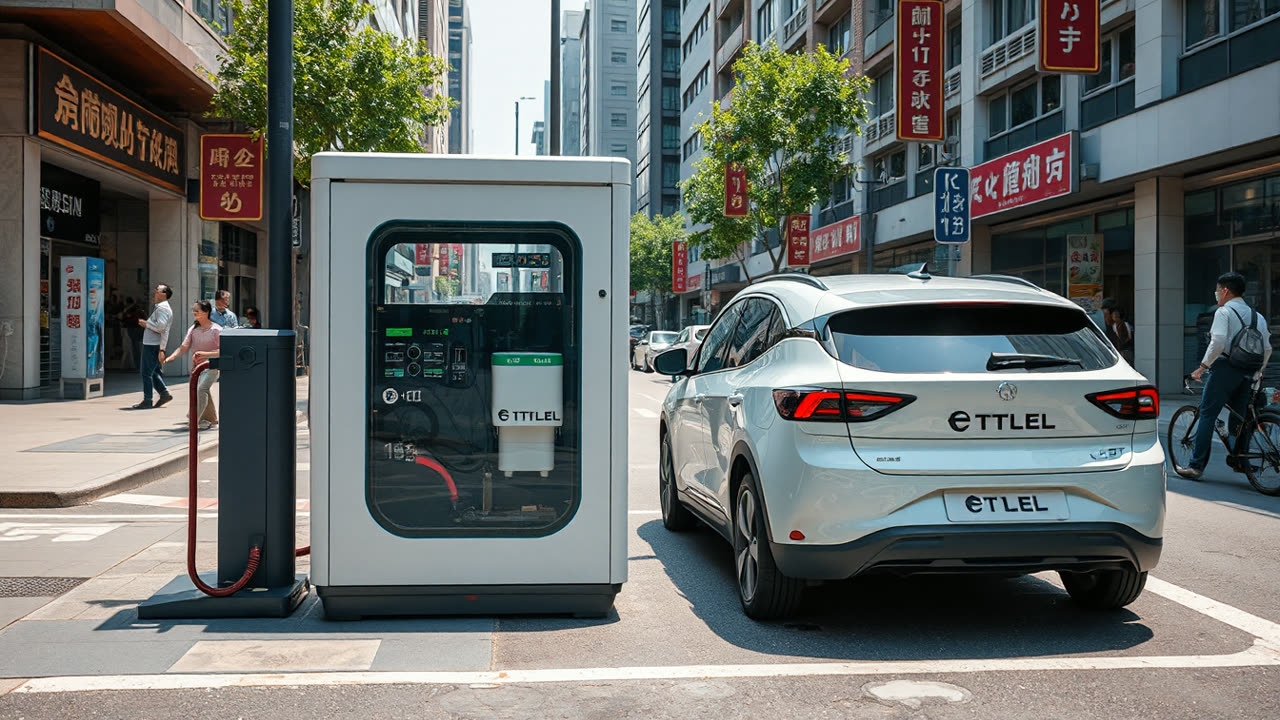
CATL's Choco-SEB battery swap network has rapidly deployed its 2,000th station by June 30, 2026, maintaining an astonishing pace of over 200 new installations every month throughout the year. This aggressive expansion by the world's largest battery manufacturer has significantly broadened its footprint across China, now spanning 31 provinces and 180 cities, with over 80% coverage in small and medium-sized urban centers. The company is also intensifying its focus on highway infrastructure and has launched its first two swap stations in Hong Kong, with plans for 36 by 2030, specifically targeting commercial fleets. CATL's ambitious goal is to reach 3,000 operational stations across 190 cities by the end of 2026.
This rapid deployment signals CATL's strategic pivot from merely a battery supplier to a comprehensive energy service provider, fundamentally altering the electric vehicle (EV) refueling landscape. Battery swapping offers drivers a fully charged power source in as little as 99 seconds, significantly faster than traditional charging, and supports a "Battery-as-a-Service" model that reduces upfront EV costs for consumers. The standardized "Choco-SEB" battery packs are designed for compatibility across various vehicle brands and models, fostering an open ecosystem. Furthermore, these stations can integrate rapid charging and potentially function as virtual power plants, enhancing grid stability.
While CATL's growth is impressive, it operates in a competitive environment, particularly against established players like NIO, which boasts a broader geographic reach with nearly 4,000 stations. The expansion beyond China also presents challenges; in Europe, for instance, a joint venture with Octopus Energy called Swaptopus aims to build a truck battery swap network, but faces resistance from European truckmakers wary of adopting a CATL-led standard over existing high-power charging solutions. Nevertheless, CATL's relentless push for standardized, quick-swap infrastructure could dramatically accelerate EV adoption by addressing range anxiety and charging convenience, cementing battery swapping as a critical, complementary solution to conventional charging.