ChargePoint Boosts Southeast EV Charging with 200+ New Ports
ChargePoint partners with Optimus Energy Solutions to deploy over 200 new public EV charging ports across the southeastern U.S., addressing critical infrastructure gaps.
✨ This content was summarized and interpreted by AI; it may contain errors — please verify accuracy with the original sources. Learn more
Listen to this story
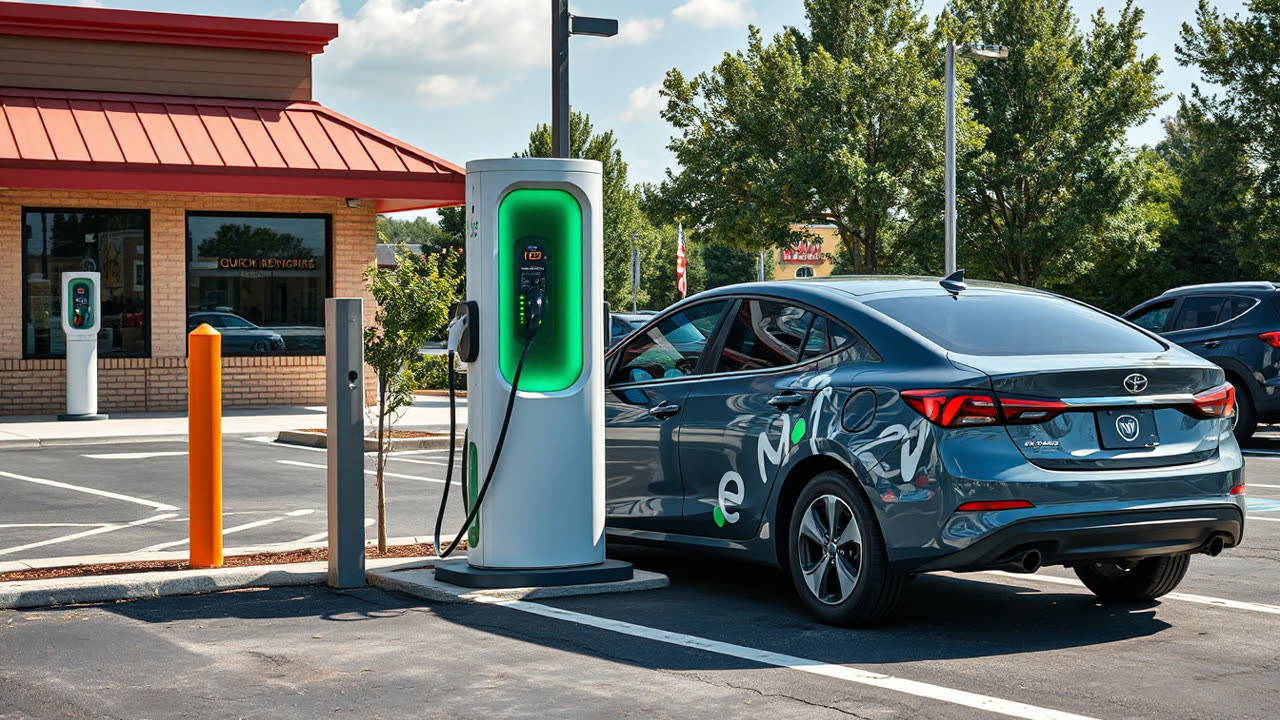
ChargePoint is significantly boosting electric vehicle (EV) infrastructure in the southeastern United States, partnering with Optimus Energy Solutions to deploy over 200 new public charging ports. This expansion directly addresses a critical need in a region where public charging has historically lagged despite accelerating EV adoption.
Under the expanded agreement, ChargePoint will serve as the exclusive provider of charging hardware, software, and services, while Optimus Energy Solutions will own and operate the new sites. These strategically located chargers are slated for high-demand areas, including popular quick-service restaurants and retail centers, aiming to provide convenient access for a growing number of EV drivers. This initiative is vital for enabling a more seamless charging experience and accelerating the broader transition to electric mobility, according to ChargePoint CEO Rick Wilmer.
However, the rapid pace of EV adoption continues to challenge infrastructure development. While the overall U.S. saw a 34.6% increase in public charging ports from 2024 to 2025, finally keeping pace with a 26.7% rise in EVs, ChargePoint reported earlier this year that network utilization growth outpaced new port additions by nearly 20% in 2025, signaling potential bottlenecks if installation rates don't accelerate further. This highlights the ongoing race to build out a robust and reliable network. Despite ChargePoint’s market leadership, the company's stock has faced headwinds, trading significantly down from its 52-week high amidst persistent unprofitability challenges, underscoring the capital-intensive nature of scaling charging infrastructure. This latest expansion, therefore, represents not just growth, but a crucial test of the industry's ability to balance rapid deployment with sustainable operational models.