China Achieves Historic Orbital Rocket Booster Recovery, Challenging SpaceX
China's state-owned space company successfully recovered an orbital rocket booster using a unique net-and-hook system, positioning itself as a direct competitor to SpaceX in reusable rocket technology.
✨ This content was summarized and interpreted by AI; it may contain errors — please verify accuracy with the original sources. Learn more
Listen to this story
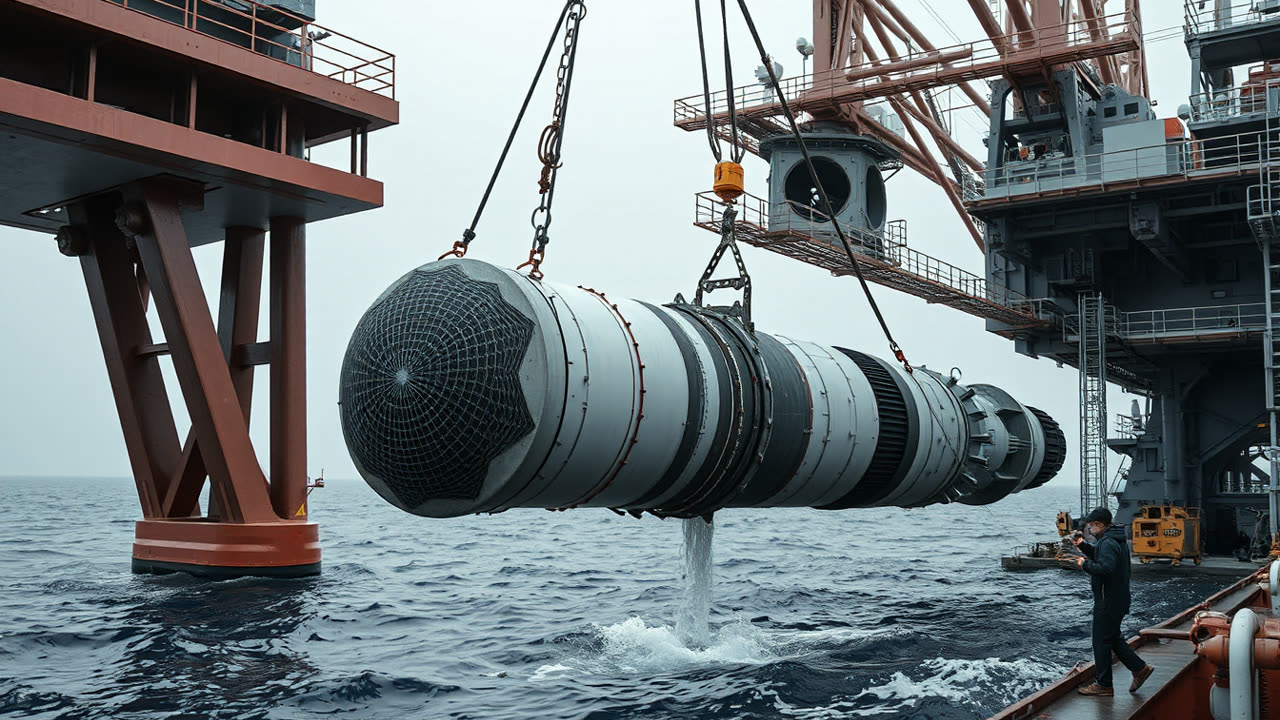
China's state-owned space company has achieved a monumental milestone, successfully recovering the first stage of an orbital rocket booster. This historic feat, which occurred on Friday, July 10, 2026, involved the Long March 10B carrier rocket, developed by the China Academy of Launch Vehicle Technology (CALT), completing a controlled recovery of its first stage using a unique net-and-hook system on an offshore platform. This marks China's first successful controlled recovery of an orbital-class booster and a world-first for this specific recovery technique, making China only the second nation, after the United States, to master this critical technology.
This breakthrough has profound implications, firmly positioning China as a direct challenger to Elon Musk’s SpaceX in the reusable rocket domain. Mastering booster recovery is essential for dramatically reducing launch costs and increasing flight frequency, which will significantly bolster China's ambitions for large-scale satellite constellation deployment, such as its planned "Guowang" network, and accelerate its crewed lunar exploration goals by 2030. Beyond commercial advantages, the geopolitical ramifications are significant, as access to space increasingly intertwines with military power and national defense, enhancing the competitiveness of China's burgeoning commercial space industry.
While SpaceX has routinely landed hundreds of boosters, China's entry into this exclusive club signals a rapid acceleration in its space capabilities and an intensified global space race. With plans to re-fly the recovered Long March 10B booster by year-end, China is clearly signaling a new era of fierce competition. This promises faster innovation and more accessible space for all, but it also highlights a growing technological rivalry between major global powers, reshaping the future of space exploration and utilization.