Chinese EVs Shatter Safety Myths with Top Euro NCAP Ratings
GAC, Geely, and Leapmotor's latest electric vehicles achieve five-star Euro NCAP ratings, fundamentally reshaping global perceptions of Chinese automotive safety and quality.
✨ This content was summarized and interpreted by AI; it may contain errors — please verify accuracy with the original sources. Learn more
Listen to this story
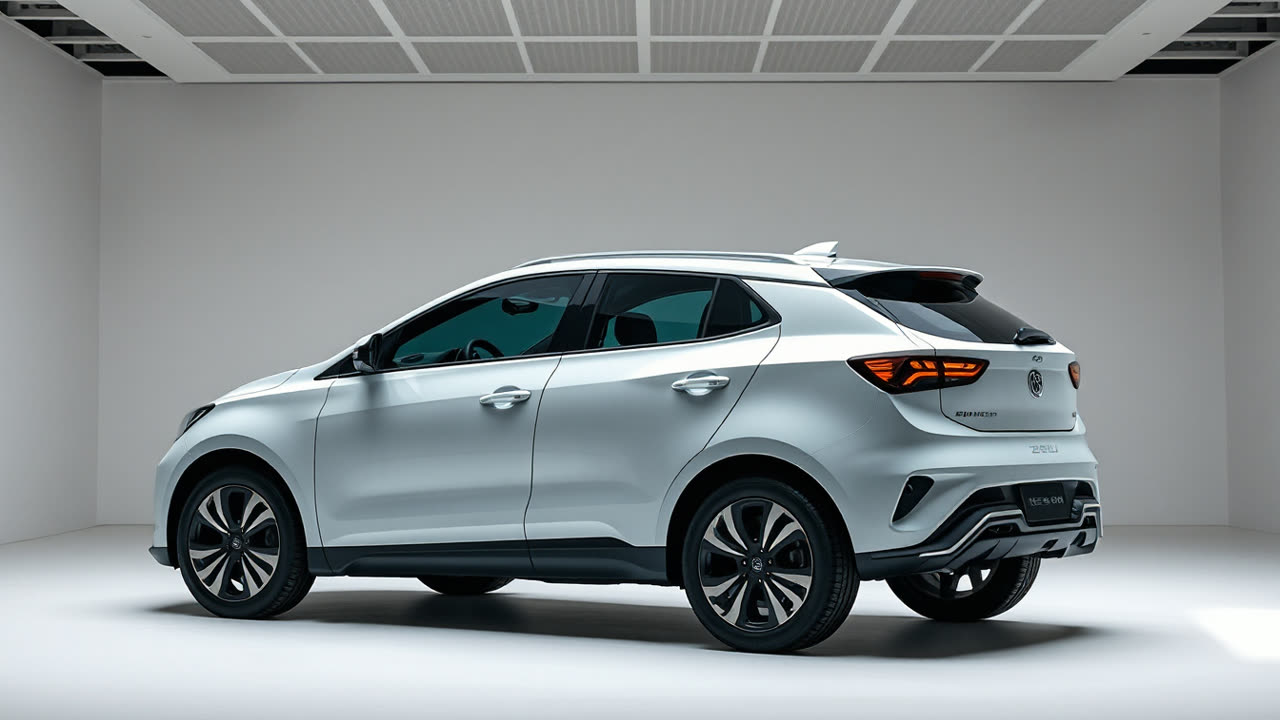
GAC, Geely, and Leapmotor have decisively shattered lingering skepticism regarding the safety of Chinese electric vehicles, with their latest models achieving top-tier Euro NCAP ratings, directly challenging long-held Western assumptions about the quality and structural integrity of vehicles from the burgeoning automotive powerhouse. These recent five-star certifications, particularly for models like the Geely Zeekr 001, GAC Aion S, and Leapmotor C10, represent a pivotal moment, validating the significant engineering strides made by Chinese manufacturers and signaling their readiness to compete on safety benchmarks with established global brands.
This achievement fundamentally reshapes consumer perception, especially within the discerning European market, where safety ratings are a paramount purchasing factor. For years, narratives of inferior build quality and dubious crash performance plagued Chinese imports, creating a significant psychological barrier for potential buyers. By securing the highest possible Euro NCAP scores, these brands are not merely meeting regulatory requirements but are actively dismantling a deep-seated myth, instilling confidence that extends beyond mere compliance to genuine occupant protection and advanced driver assistance systems (ADAS) performance. The tangible benefit for users is a demonstrable increase in safety, with rigorous testing confirming robust crash structures, effective airbag deployment, and sophisticated active safety features that prevent accidents or mitigate their severity.
The industry ramifications are equally profound, marking a strategic inflection point for Chinese automakers' global expansion. Top Euro NCAP ratings are an indispensable passport to success in Europe, signaling to regulators, insurers, and consumers alike that these vehicles are not just technologically advanced and competitively priced, but also inherently safe. This validation empowers GAC, Geely, and Leapmotor, alongside other aspiring Chinese brands, to accelerate their market penetration, directly challenging the dominance of traditional European, Japanese, and American manufacturers. The intensified competition will likely drive further innovation across the entire automotive sector, pushing all players to enhance safety features, improve build quality, and potentially exert downward pressure on prices as Chinese EVs leverage their safety credentials to gain market share.
Historically, Chinese automobiles faced legitimate criticism regarding safety standards, particularly during their initial attempts at international expansion in the early 2000s, with some models performing poorly in independent crash tests. This perception, while outdated, has stubbornly persisted. However, the current generation of Chinese EVs is a testament to a concerted, multi-decade effort to integrate global best practices in design, engineering, and manufacturing. This evolution has been fueled by massive investments in research and development, strategic partnerships with international suppliers, and a relentless focus on meeting and exceeding stringent global regulatory requirements. The shift from simply producing affordable vehicles to crafting genuinely competitive and safe products is evident in the meticulous attention paid to material science, advanced structural designs incorporating high-strength steels and aluminum, and the widespread adoption of sophisticated active safety suites.
Comparing these latest Chinese EV achievements to both rivals and prior generations reveals a dramatic leap forward. While European and American manufacturers have long set the gold standard for safety, models like the Zeekr 001, for instance, now stand shoulder-to-shoulder with established premium brands in adult and child occupant protection, as well as vulnerable road user protection and safety assist systems. This is a stark contrast to earlier Chinese models that often lagged significantly in these categories. The integration of advanced ADAS features, such as autonomous emergency braking, lane-keeping assist, and blind-spot detection, which are now standard or widely available on these Chinese EVs, demonstrates a commitment to holistic safety that mirrors or even surpasses offerings from some legacy automakers. This generational improvement is not incremental; it represents a fundamental re-engineering philosophy that prioritizes occupant safety from the ground up, moving beyond mere compliance to proactive protection.
Looking ahead, the consistent achievement of five-star Euro NCAP ratings positions Chinese EVs not as budget alternatives, but as serious, high-quality contenders on the global stage. This safety validation complements their existing strengths in battery technology, range, digital integration, and often aggressive pricing strategies, creating a highly compelling value proposition. The "unsafe" stigma, now largely dismantled, removes a critical psychological barrier, paving the way for broader consumer acceptance and accelerated sales growth in key international markets. While challenges remain in areas such as brand recognition, establishing robust after-sales service networks, and navigating geopolitical complexities, the demonstrated commitment to safety fundamentally alters the competitive landscape. The next phase will likely see Chinese EV manufacturers leverage these safety credentials in their marketing, further solidifying their reputation and accelerating their trajectory towards becoming dominant forces in the global automotive industry, ushering in an era where safety and innovation are no longer exclusive to traditional automotive powerhouses.