Clicks' $99 Power Keyboard Launches, Reviving Tactile Typing for Smartphones
Clicks' new $99 Power Keyboard brings a customizable, slide-out physical keyboard to MagSafe and Qi2 smartphones, challenging the all-touchscreen dogma by offering a tangible typing experience, though its added bulk might make larger phones unwieldy for some users.
✨ This content was summarized and interpreted by AI; it may contain errors — please verify accuracy with the original sources. Learn more
Listen to this story
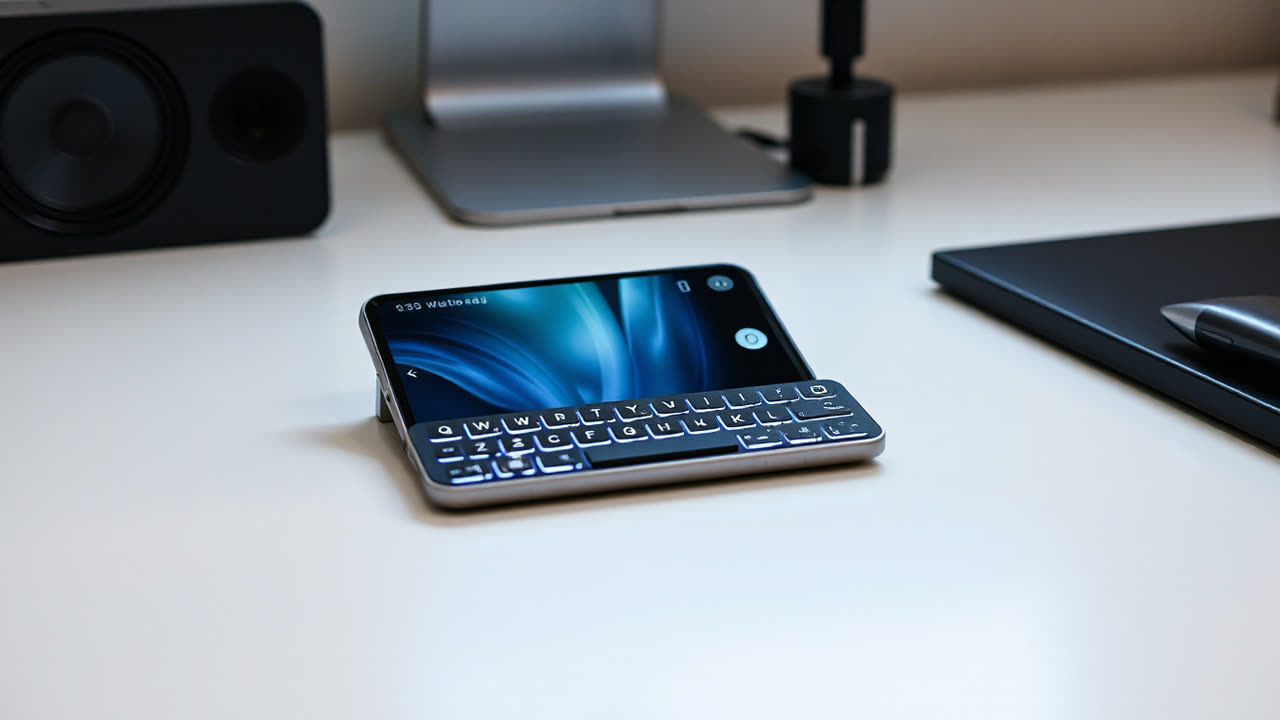
Clicks' $99 Power Keyboard, a customizable, slide-out physical keyboard designed for MagSafe and Qi2 smartphones, has officially launched, presenting a compelling, albeit compromised, solution for users yearning for the tactile feedback of a bygone era. The accessory aims to resurrect the BlackBerry-style typing experience, yet its inherent bulk adds significant heft, potentially rendering larger phones unwieldy for everyday use. This strategic move by Clicks taps into a burgeoning niche market of users dissatisfied with the purely digital interface of modern touchscreens, offering a tangible alternative that prioritizes precision and speed over sleekness.
The core appeal of the Clicks Power Keyboard lies in its direct integration with the smartphone's charging port and MagSafe/Qi2 system, eliminating the need for Bluetooth pairing and separate charging, a common frustration with many third-party keyboard solutions. This "always-on" connectivity ensures minimal latency and a seamless user experience, mirroring the integrated design of classic QWERTY devices. Priced at $99, Clicks positions itself as an accessible premium accessory, considerably more affordable than acquiring a dedicated physical keyboard phone, which are now exceedingly rare in the contemporary market. The keyboard itself features full QWERTY keys, backlit for low-light conditions, and promises customizable shortcuts, allowing users to execute commands without lifting their thumbs from the keys—a hallmark of efficient, physical input. However, the attachment transforms a svelte smartphone into a significantly thicker, longer device, challenging the ergonomic expectations cultivated by years of minimalist phone design. For instance, a Pro Max series iPhone, already substantial, becomes a formidable two-handed device, potentially negating some of the convenience gained from faster typing in other scenarios.
This product matters immensely because it challenges the long-held industry consensus that the all-touchscreen design is the ultimate evolution of mobile interfaces. For a significant segment of power users, professionals, and those with a nostalgic attachment to BlackBerry's golden age, the limitations of on-screen keyboards—namely, lack of haptic feedback, reduced screen real estate during typing, and proneness to typos—remain a genuine impediment to productivity. Clicks' offering validates these concerns, suggesting that the market is ready for innovation that doesn't solely focus on screen size or processing power. The impact on the accessory industry could be substantial; if Clicks proves successful, it could spur a new wave of modular smartphone enhancements, moving beyond protective cases and portable chargers to more functionally transformative attachments. It also highlights the enduring power of brand nostalgia, as the "BlackBerry-style" descriptor itself is a potent marketing tool, evoking memories of unparalleled mobile productivity.
Historically, physical keyboards dominated the smartphone landscape through the mid-2000s, with BlackBerry, Nokia, and early Android devices like the T-Mobile G1 setting benchmarks for mobile communication. The transition to full touchscreens, popularized by the original iPhone in 2007, was driven by the desire for larger displays and a more versatile interface, effectively rendering physical keyboards obsolete in mainstream design. While niche devices like the Unihertz Titan have attempted revivals, they often come with compromises in software support, camera quality, or overall performance compared to flagship smartphones. Clicks' approach is distinct: it doesn't try to build a new phone but rather enhances an existing one, leveraging the processing power and camera capabilities of current-generation devices while adding the missing tactile input. This strategy differentiates it from past attempts, offering a modular solution rather than an integrated, often compromising, device. Its direct rivals are not other phones, but rather cumbersome Bluetooth keyboards or less integrated keyboard cases that often require separate charging or offer a less robust connection.
Looking ahead, the success of Clicks' Power Keyboard could catalyze a broader re-evaluation of smartphone form factors and modularity. If consumer demand for physical input proves robust, we might see other manufacturers exploring similar MagSafe-compatible accessories, or even phone makers considering integrated, perhaps retractable, keyboard solutions in future designs. The "compromise" of added bulk could shrink with technological advancements, as components become smaller and lighter, or as user expectations adapt to the benefits of enhanced input. Furthermore, Clicks itself is likely to expand its product line, potentially offering different keyboard layouts, customizable keycaps, or even variations optimized for specific applications or user groups. The long-term outlook suggests a potential fracturing of the smartphone market, where while the majority might still prefer pure touchscreens, a significant and vocal minority will have access to high-quality, integrated physical input solutions, transforming their premium devices into true mobile workstations.