Cloud Gaming's Peril: Players Lose $60 Aliens: Fireteam Elite Access, No Refunds
Purchasers of the $60 cloud version of *Aliens: Fireteam Elite* for Nintendo Switch have entirely lost access to the game with no refunds, highlighting the inherent risks of digital ownership in cloud gaming.
✨ This content was summarized and interpreted by AI; it may contain errors — please verify accuracy with the original sources. Learn more
Listen to this story
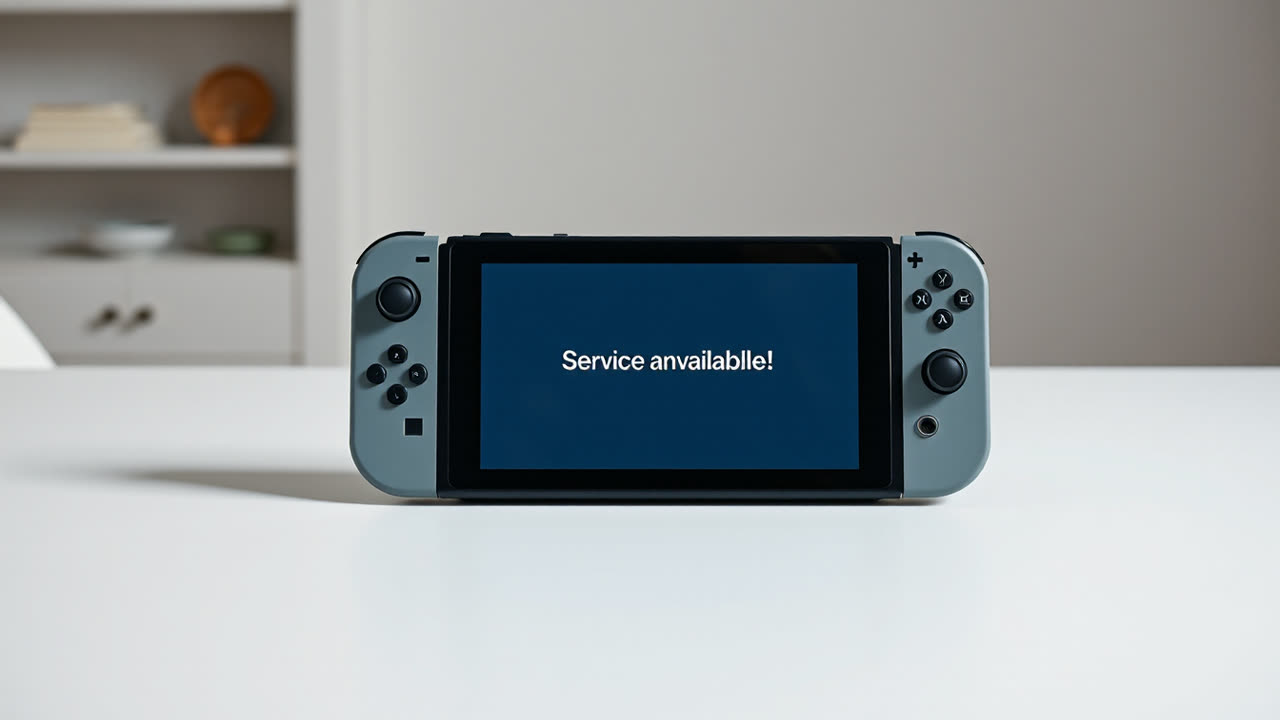
Players who purchased the $60 cloud version of *Aliens: Fireteam Elite* for the Nintendo Switch have lost access to the game entirely, with developer Cold Iron Studios shutting down the service and offering no refunds. This abrupt termination, reported by Ars Gadgets in August 2026, serves as a stark, high-profile reminder of the inherent precarity of digital ownership, particularly within the nascent and often volatile cloud gaming ecosystem. For consumers, the immediate impact is a direct financial loss and a profound breach of trust. Unlike traditional digital downloads where a game might remain playable on a local device even if delisted from storefronts, the cloud-based nature means the entire investment vanishes once the servers are shuttered, leaving players with nothing but a worthless license.
The incident underscores a critical vulnerability in the evolving landscape of interactive entertainment: when ownership is merely a license to access a service, that access can be revoked at the provider's discretion, often without recompense. This model fundamentally shifts power away from the consumer, who traditionally held enduring rights over physical media. The expectation that a purchased game, digital or otherwise, would remain accessible for a reasonable lifespan is increasingly challenged by services that require perpetual server infrastructure. While the terms of service for cloud-based games often grant publishers this right, the ethical implications of effectively erasing a $60 purchase without compensation are significant, eroding consumer confidence in digital storefronts and cloud platforms alike.
For the broader gaming industry, this event poses a substantial reputational risk, particularly for the burgeoning cloud gaming sector. Services like Xbox Cloud Gaming, PlayStation Plus Premium, and Nvidia's GeForce Now are actively vying for market share, promising convenience and accessibility without the need for high-end hardware. However, the *Aliens: Fireteam Elite* shutdown highlights the inherent fragility of these platforms if publishers decide to pull support, or if the underlying service itself fails. While major cloud platforms typically strive to maintain a robust library, the decision by an individual developer or publisher to discontinue a specific cloud-streamed title can undermine the entire premise of "owning" a digital game in that format. This situation could lead to increased scrutiny from consumers regarding the longevity guarantees of cloud titles versus locally installed digital purchases or, indeed, physical media.
Historically, the transition from physical cartridges and discs to digital downloads already introduced complexities around ownership, but local files generally ensured continued access unless hardware failed or operating systems became incompatible. Cloud gaming takes this a step further, making the game entirely dependent on external servers. This contrasts sharply with services like Steam, where even if a game is delisted, users who purchased it can typically still download and play it from their library. The Nintendo Switch's approach to cloud versions, which often serve as the only way to play demanding titles on the console, makes its users particularly susceptible to such shutdowns. Other cloud gaming services, while also operating on a subscription or licensing model, generally offer a broader catalog and often integrate with existing digital libraries, theoretically providing a more stable ecosystem than a single game's dedicated cloud instance.
Looking ahead, the incident with *Aliens: Fireteam Elite* could precipitate several changes. Consumers may become more wary of purchasing dedicated cloud versions of games, opting instead for physical copies or traditional digital downloads when available, even if it means sacrificing portability or graphical fidelity. There could be a renewed push for industry-wide standards or even regulatory intervention to protect consumer rights in the digital and cloud gaming space. This might include mandatory refund policies for games pulled from service within a certain timeframe, or requirements for publishers to provide a downloadable version if a cloud service is discontinued. Without such measures, the long-term viability and consumer trust in cloud gaming could be significantly hampered, potentially slowing its adoption. Developers and publishers, in turn, might need to re-evaluate their business models, perhaps offering clearer guarantees about game longevity or exploring alternative solutions for discontinued cloud titles to maintain goodwill and foster a more sustainable digital ecosystem.