Clucky's iPhone Alarm App Uses Interactive Missions to Combat Snoozing
A new premium iPhone alarm app, Clucky, introduces a gamified 'active dismissal' strategy, requiring users to complete interactive missions like solving math problems or walking steps to silence its crowing rooster alarm.
✨ This content was summarized and interpreted by AI; it may contain errors — please verify accuracy with the original sources. Learn more
Listen to this story
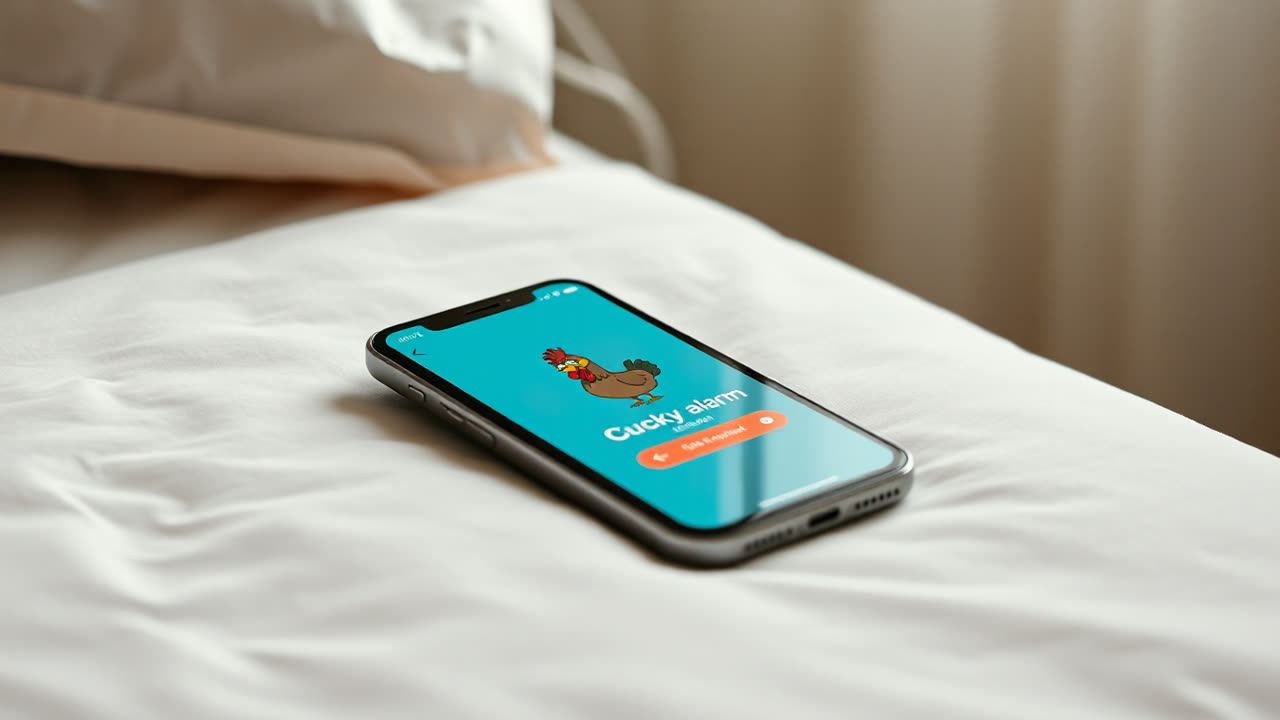
Clucky, a new iPhone alarm application launched by former Fanatics software engineer Adrian Angelo Abelarde, is leveraging a distinct "active dismissal" strategy, rousing users with a crowing rooster and demanding completion of interactive missions to silence the alarm. This premium app, available via a Pro subscription costing $29.99 per year or $3.99 per week after a free trial, directly targets chronic snoozers and those who struggle with "sleep inertia," the groggy transition between sleep and full wakefulness where alarms are often dismissed unconsciously. While the core concept of challenge-based alarms is not novel, Clucky distinguishes itself through gamification, a unique personality, and social accountability features.
The app's missions are varied and designed to engage both mind and body, requiring users to solve math problems, repeat memory patterns, type specific phrases, shake the phone vigorously, walk a certain number of steps, do push-ups, navigate a ball through a maze, or even use the camera to find and snap a photo of a registered object. Users can stack up to three missions per alarm and activate an "Extra Loud Mode" that boosts media volume until all tasks are completed. Beyond simply silencing the alarm, Clucky's "snarky" rooster character offers comments on sleeping habits, awards "eggs" for successful mornings, and generates a weekly "Rooster Report" grading performance. A "Flock" social feature allows friends or family to share wake-up times, monitor who has risen, and send "crow nudges" to those still in bed, adding an element of friendly competition and mutual discipline.
Clucky’s entry into the alarm app market represents a significant push towards more engaging and demanding wake-up routines, moving beyond passive alerts to active, cognitive, and physical engagement. This matters because it addresses a persistent problem: the brain's ability to unconsciously silence traditional alarms during sleep inertia, leading to oversleeping and disrupted routines. By forcing users into immediate cognitive or physical activity, Clucky aims to break this autopilot snooze cycle, potentially fostering better morning habits and improved punctuality. The gamified approach, with its character interaction, reward system, and social features, also taps into psychological motivators like achievement and social pressure, which can be far more effective than a mere loud noise for many individuals. The tracking of wake-up times, mission completion, and dismissal speed provides users with data-driven insights into their morning efficacy, empowering them to adjust their routines for optimal wakefulness.
However, the "active dismissal" alarm market is not new. Apps like Alarmy, often dubbed the "world's most annoying alarm app," have offered similar challenge-based dismissals for years, including math problems, barcode scanning, photo missions, and shaking the phone. Other competitors such as SuperAlarm and ClockWise also emphasize loud alarms, mission dismissals, and features to prevent accidental snoozing. Clucky's primary differentiator appears to be its enhanced personality, social integration, and comprehensive tracking, transforming a utility into a more interactive "morning game". This shift from a purely functional tool to an engaging experience could be crucial in a crowded market where many apps offer similar core challenges.
Despite its innovative features, Clucky faces challenges, particularly regarding reliability and pricing. Initial user reviews, though limited, have shown a 2.3 rating from three reviews on the US App Store, with some users reporting missed alarms. While developer Adrian Angelo Abelarde has already released updates to address these issues, reliability is paramount for an alarm app, where failure can have significant consequences. The subscription model, at nearly $30 annually or $4 weekly, is also considered expensive compared to established alternatives, many of which offer similar mission-based wake-ups, some with robust free tiers. This high price point might deter potential users who are accustomed to lower-cost or free productivity tools.
Looking ahead, the trend of alarm apps integrating more advanced features, gamification, and social elements is likely to continue. The broader electronic alarm clock market is already seeing increased adoption of smart alarm clocks, with a 31% rise in the last three years, driven by smart home integration and wellness awareness. Future iterations of apps like Clucky could incorporate deeper AI-driven personalization, adapting missions based on sleep patterns tracked by wearables or even integrating with smart home devices to initiate morning routines (e.g., turning on lights, brewing coffee) upon successful mission completion. The "Flock" feature could evolve into more sophisticated group challenges or shared morning routines, fostering community and collective accountability. However, developers must balance innovation with core reliability and user experience, ensuring that the features genuinely aid wakefulness without inducing "alarm fatigue" – a phenomenon where excessive or non-critical alarms lead to desensitization and missed important alerts. Clucky's long-term success will hinge on its ability to prove consistent reliability and justify its premium pricing by delivering a genuinely transformative and consistently effective morning experience.