Commodore 77 Unveiled: A Cyberpunk 2077-Infused Retro PC with AMD FPGA Power
The long-dormant Commodore brand re-emerges with a $377 special edition C64U, blending retro computing with Cyberpunk 2077's dystopian aesthetic and a powerful AMD Artix FPGA processor.
✨ This content was summarized and interpreted by AI; it may contain errors — please verify accuracy with the original sources. Learn more
Listen to this story
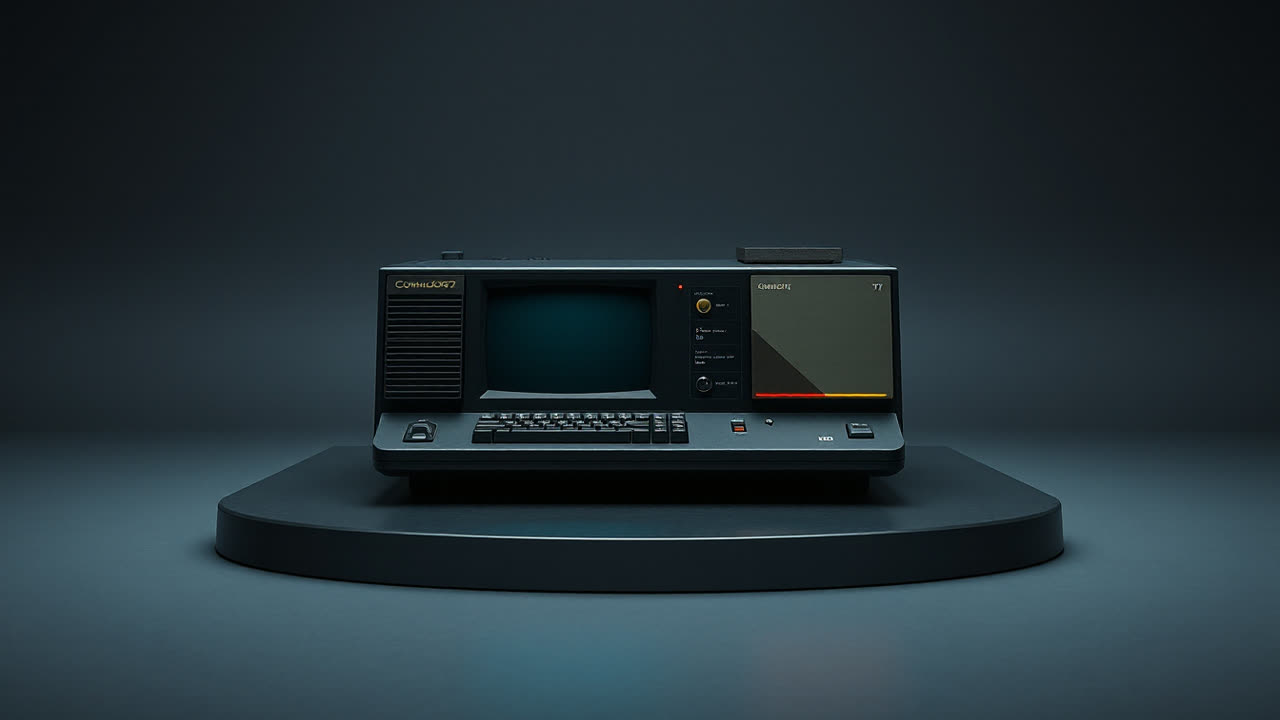
The long-dormant Commodore brand has dramatically re-entered the spotlight with the unveiling of its Commodore 77 special edition, a C64U variant born from a striking collaboration with CD Projekt Red and infused with the dystopian aesthetic of *Cyberpunk 2077*. This premium device, priced at $377 and available for pre-order today, is not merely a cosmetic redesign; it marks a significant hardware upgrade, integrating a more powerful AMD Artix XC7A100T processor, moving beyond simple emulation to offer a sophisticated FPGA-based experience.
The decision to equip the Commodore 77 with an AMD Artix XC7A100T processor is a pivotal technical advancement, distinguishing it from prior retro re-releases that often rely on less powerful System-on-Chip (SoC) solutions or pure software emulation. The Artix XC7A100T, a field-programmable gate array (FPGA), allows for hardware-level recreation of the original Commodore 64's architecture, promising unparalleled accuracy in timing, sound, and graphics that software emulators often struggle to perfectly replicate. This choice caters directly to the purist segment of the retro computing community, who prioritize authenticity and precision over convenience. The FPGA's inherent flexibility also suggests potential for future expansions or alternative core implementations, extending the device's longevity and appeal beyond its initial C64 focus.
This partnership with CD Projekt Red, renowned for the *Cyberpunk 2077* universe, injects a potent dose of contemporary pop culture into a revered retro icon. The Commodore 77's design, skillfully melding into the game's universe, transcends mere nostalgia, aiming to capture a broader audience attracted by the game's gritty, futuristic aesthetic. This cross-pollination of brands represents a clever strategy to bridge generational gaps, introducing the legacy of Commodore to a demographic primarily familiar with modern AAA gaming. The price point of $377 positions the Commodore 77 as a premium collector's item, significantly above the cost of entry-level retro consoles or even some modern budget gaming systems. This pricing strategy, however, aligns with the growing market for high-end retro hardware, exemplified by devices like the Analogue Pocket, which also leverages FPGA technology to deliver accurate recreations of classic handhelds.
The impact on users is multifaceted. For long-time Commodore enthusiasts, the Commodore 77 offers a compelling blend of genuine hardware recreation and a fresh, bold aesthetic. The enhanced processing power, particularly the FPGA, promises a more authentic experience than many software-based emulators, potentially even surpassing the accuracy of some earlier C64 mini-consoles that sometimes struggled with timing and peripheral compatibility. For fans of *Cyberpunk 2077*, the device serves as a unique piece of memorabilia, a tangible link to the game's universe that offers functional retro computing alongside its collectible appeal. The potential for the FPGA to host cores for other retro systems could also transform the Commodore 77 into a versatile retro platform, expanding its utility beyond its initial C64 identity.
Industrially, this collaboration signals a maturation in the retro gaming and computing market. It moves beyond simple "mini" consoles that often prioritize affordability and plug-and-play simplicity, towards more sophisticated, premium devices that command higher prices through enhanced hardware and unique branding. The use of an AMD Artix FPGA underscores a trend where dedicated hardware recreation is seen as a key differentiator for high-end retro products. This could encourage other heritage brands to explore similar partnerships, leveraging established gaming or media franchises to rejuvenate their intellectual property and tap into new consumer segments. The success of the Commodore 77 could validate a business model that combines cutting-edge retro hardware with strong thematic branding, potentially leading to a new wave of premium, licensed retro devices.
Looking ahead, the Commodore 77's launch sets a precedent for future retro hardware endeavors. The integration of powerful FPGAs like the Artix XC7A100T suggests that the market for highly accurate, hardware-level recreations of classic systems will continue to grow. We can anticipate more devices that prioritize precise timing and peripheral compatibility over raw processing power, moving further away from software emulation. Moreover, the *Cyberpunk 2077* collaboration highlights the increasing importance of thematic branding and cross-promotion in differentiating products in a crowded market. Future retro releases may increasingly feature partnerships with popular media franchises, offering limited editions that appeal to both nostalgic fans and collectors of contemporary pop culture. This blend of authentic retro technology and modern aesthetic appeal positions the Commodore 77 not just as a tribute to the past, but as a potential blueprint for the future of premium retro computing. The initial reception and long-term support for its FPGA core will ultimately determine if this bold venture paves the way for a new era of high-fidelity, branded retro experiences.The long-dormant Commodore brand has dramatically re-entered the spotlight with the unveiling of its Commodore 77 special edition, a C64U variant born from a striking collaboration with CD Projekt Red and infused with the dystopian aesthetic of *Cyberpunk 2077*. This premium device, priced at $377 and available for pre-order today, is not merely a cosmetic redesign; it marks a significant hardware upgrade, integrating a more powerful AMD Artix XC7A100T processor, moving beyond simple emulation to offer a sophisticated FPGA-based experience.
The decision to equip the Commodore 77 with an AMD Artix XC7A100T processor is a pivotal technical advancement, distinguishing it from prior retro re-releases that often rely on less powerful System-on-Chip (SoC) solutions or pure software emulation. The Artix XC7A100T, a field-programmable gate array (FPGA), allows for hardware-level recreation of the original Commodore 64's architecture, promising unparalleled accuracy in timing, sound, and graphics that software emulators often struggle to perfectly replicate. This choice caters directly to the purist segment of the retro computing community, who prioritize authenticity and precision over convenience. The FPGA's inherent flexibility also suggests potential for future expansions or alternative core implementations, extending the device's longevity and appeal beyond its initial C64 focus.
This partnership with CD Projekt Red, renowned for the *Cyberpunk 2077* universe, injects a potent dose of contemporary pop culture into a revered retro icon. The Commodore 77's design, skillfully melding into the game's universe, transcends mere nostalgia, aiming to capture a broader audience attracted by the game's gritty, futuristic aesthetic. This cross-pollination of brands represents a clever strategy to bridge generational gaps, introducing the legacy of Commodore to a demographic primarily familiar with modern AAA gaming. The price point of $377 positions the Commodore 77 as a premium collector's item, significantly above the cost of entry-level retro consoles or even some modern budget gaming systems. This pricing strategy, however, aligns with the growing market for high-end retro hardware, exemplified by devices like the Analogue Pocket, which also leverages FPGA technology to deliver accurate recreations of classic handhelds.
The impact on users is multifaceted. For long-time Commodore enthusiasts, the Commodore 77 offers a compelling blend of genuine hardware recreation and a fresh, bold aesthetic. The enhanced processing power, particularly the FPGA, promises a more authentic experience than many software-based emulators, potentially even surpassing the accuracy of some earlier C64 mini-consoles that sometimes struggled with timing and peripheral compatibility. For fans of *Cyberpunk 2077*, the device serves as a unique piece of memorabilia, a tangible link to the game's universe that offers functional retro computing alongside its collectible appeal. The potential for the FPGA to host cores for other retro systems could also transform the Commodore 77 into a versatile retro platform, expanding its utility beyond its initial C64 identity.
Industrially, this collaboration signals a maturation in the retro gaming and computing market. It moves beyond simple "mini" consoles that often prioritize affordability and plug-and-play simplicity, towards more sophisticated, premium devices that command higher prices through enhanced hardware and unique branding. The use of an AMD Artix FPGA underscores a trend where dedicated hardware recreation is seen as a key differentiator for high-end retro products. This could encourage other heritage brands to explore similar partnerships, leveraging established gaming or media franchises to rejuvenate their intellectual property and tap into new consumer segments. The success of the Commodore 77 could validate a business model that combines cutting-edge retro hardware with strong thematic branding, potentially leading to a new wave of premium, licensed retro devices.
Looking ahead, the Commodore 77's launch sets a precedent for future retro hardware endeavors. The integration of powerful FPGAs like the Artix XC7A100T suggests that the market for highly accurate, hardware-level recreations of classic systems will continue to grow. We can anticipate more devices that prioritize precise timing and peripheral compatibility over raw processing power, moving further away from software emulation. Moreover, the *Cyberpunk 2077* collaboration highlights the increasing importance of thematic branding and cross-promotion in differentiating products in a crowded market. Future retro releases may increasingly feature partnerships with popular media franchises, offering limited editions that appeal to both nostalgic fans and collectors of contemporary pop culture. This blend of authentic retro technology and modern aesthetic appeal positions the Commodore 77 not just as a tribute to the past, but as a potential blueprint for the future of premium retro computing. The initial reception and long-term support for its FPGA core will ultimately determine if this bold venture paves the way for a new era of high-fidelity, branded retro experiences.