Cricut Unleashes Advanced Home Sticker Production with Next-Gen DIY Machines
Cricut's latest DIY machines, including the compact Joy Xtra, significantly advance home sticker production, empowering users with high-quality, full-color 'Print Then Cut' capabilities.
✨ This content was summarized and interpreted by AI; it may contain errors — please verify accuracy with the original sources. Learn more
Listen to this story
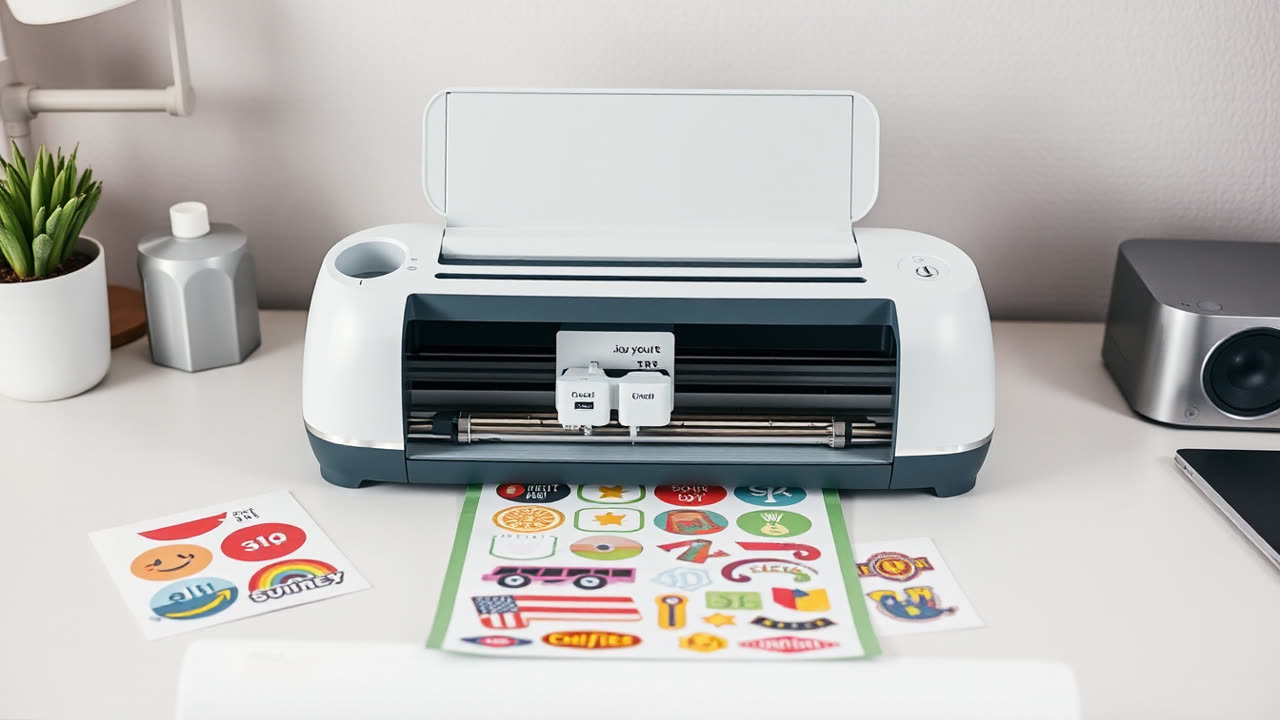
The democratization of custom design has taken a significant leap forward, with Cricut's latest generation of DIY machines, including the compact Joy Xtra and the more robust Maker 3 and Explore 3, offering enhanced "Print Then Cut" capabilities that empower users to create their own high-quality, full-color stickers at home. This functionality, which allows users to design in Cricut Design Space, print on a standard inkjet printer, and then precisely cut with their Cricut machine, has transformed the landscape for hobbyists and small entrepreneurs alike. The Cricut Joy Xtra, a standout released in 2023, is particularly notable for bringing this advanced sticker-making prowess into a more accessible, smaller form factor, capable of working with over 50 materials and handling US Letter and A4 sizes.
This evolution in personal fabrication technology signifies more than just a crafting convenience; it represents a tangible shift in how individuals interact with and contribute to the creative economy. For the average user, the promise of breaking even on a "sticker budget" is a compelling one. While professional printing services remain more cost-effective for large bulk orders (hundreds to thousands of stickers), home production with a Cricut machine becomes the cheaper option for smaller quantities, typically under 50 of a single design, especially if the user already owns the necessary equipment. This immediate availability and creative control allow for endless experimentation and personalization, a significant draw for artists, crafters, and individuals seeking unique expressions without the lead times or minimum order requirements of commercial printers. The ability to print a few custom stickers for a planner, a personalized gift, or a small product launch on demand offers unparalleled flexibility.
The industry impact is multifaceted. Cricut, a key player in the personal fabrication market, reported a revenue of $689.79 million for the trailing 12 months ending June 30, 2026. Interestingly, while product revenue saw a decline of 9.6% from Q1 2025, platform revenue, which includes subscriptions like Cricut Access, grew by nearly 6% over the same period. This strategic pivot towards a platform-first model is underscored by features like "Create Sticker" within Design Space, an exclusive tool for Cricut Access subscribers that streamlines the sticker-making process by simplifying die-cut and kiss-cut options, border customization, and automatic formatting. This move solidifies Cricut's ecosystem, encouraging ongoing engagement and subscription loyalty by offering premium, user-friendly features. The global stickers market itself is robust, valued at an estimated USD 5.16 billion in 2026 and projected to reach USD 8.11 billion by 2034, growing at a compound annual growth rate of 5.81%, fueled by the demand for personalized goods and custom branding, particularly within the e-commerce sector.
Comparing Cricut's current offerings to prior generations and rivals reveals significant advancements and distinct positioning. Newer machines like the Joy Xtra, Maker 3, Explore 3, and Cricut Venture boast more powerful Print Then Cut sensors, allowing them to accurately cut designs on lightly colored and even simple patterned materials, a notable improvement over older models limited to white surfaces. This expanded material compatibility, alongside Cricut's own range of printable sticker paper and waterproof sticker sets, provides greater creative freedom. However, the software experience remains a differentiating factor against competitors like Silhouette. While Silhouette Studio is often lauded for its robust design capabilities, allowing users to create complex designs from scratch, Cricut Design Space, despite recent enhancements like the "Create Sticker" feature, is generally perceived as more of a "project assembly tool". This means advanced designers might still rely on external software before importing into Design Space, although Cricut's guided flows are undeniably easier for beginners. Despite some user reports of occasional Print Then Cut accuracy issues, such as vertical scaling discrepancies even after calibration, the overall precision for sticker creation remains a strong point for Cricut, with the Maker 3 often cited for its superior cut quality across diverse materials.
Looking ahead, the trajectory of personal fabrication tools like Cricut suggests a future where customization and on-demand production become even more ingrained in daily life and small business operations. The 2026 sticker trends highlight a demand for tactile, decorative, and interactive designs, including holographic, iridescent, and transparent finishes, as well as features like AR-ready or NFC-enabled stickers. This aligns perfectly with the capabilities of advanced DIY machines. As technology continues to evolve, we can anticipate even greater precision, broader material compatibility, and potentially AI-driven design assistance integrated directly into platforms like Design Space. The growth of the DIY crafting movement and the broader "maker culture" indicates a sustained demand for tools that empower individuals to create, personalize, and even monetize their unique visions. Cricut's continued focus on its platform and subscription services, coupled with innovations in machine capabilities, positions it to capture a significant share of this expanding market, further blurring the lines between amateur crafter and professional artisan.