CRKD Revitalizes Rhythm Gaming with Premium Gibson Guitar Controllers
CRKD is launching three officially licensed Gibson guitar controllers for the upcoming 'Stage Tour' game on December 10, aiming to revive the dormant rhythm game genre with premium, modular hardware.
✨ This content was summarized and interpreted by AI; it may contain errors — please verify accuracy with the original sources. Learn more
Listen to this story
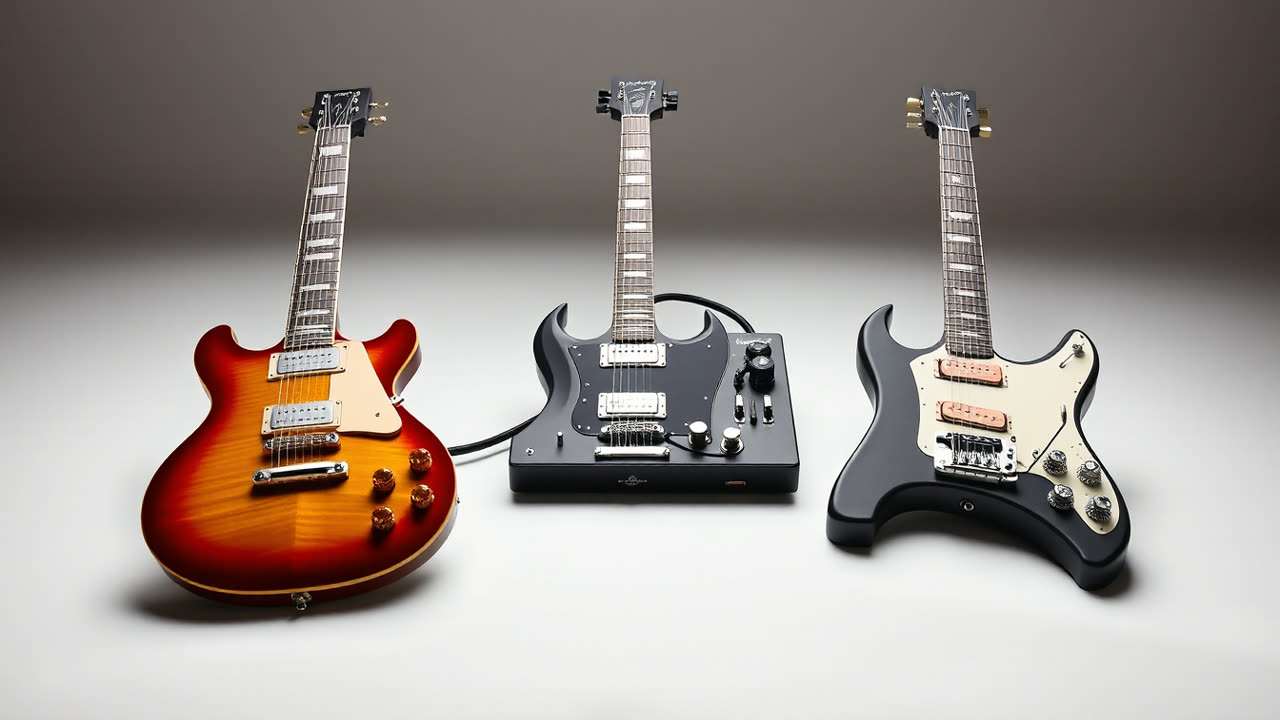
CRKD is poised to revitalize the rhythm game peripheral market with the December 10 release of three officially licensed Gibson guitar controllers, crafted specifically for the upcoming "Stage Tour" game, directly tapping into a potent vein of player nostalgia for the genre's golden era. These controllers, featuring iconic Gibson designs such as the Les Paul, SG, and Flying V, represent a significant move by CRKD to offer premium, high-fidelity input devices in a space long dominated by aging or lower-quality alternatives. While specific pricing has yet to be formally announced, the emphasis on official licensing and classic designs suggests a premium positioning, aiming to capture the discerning player who values authenticity and robust build quality over budget options. The controllers boast a modular design allowing for interchangeable components, including pickguards and strum bars, promising a level of customization and repairability rarely seen in previous generations of guitar peripherals. This focus on user-driven personalization, coupled with what CRKD touts as enhanced responsiveness and durability, is a direct response to common frustrations with past controllers, which often suffered from sticky buttons, unresponsive strum bars, or fragile components that limited their lifespan.
The re-emergence of high-quality guitar controllers matters immensely for both the dormant rhythm game community and the broader peripheral industry. For users, it signifies a potential renaissance for a beloved genre that has largely languished since the peak of "Guitar Hero" and "Rock Band" in the late 2000s. The scarcity of functional, affordable, and high-quality legacy controllers has been a significant barrier to entry for new players and a source of frustration for veterans. The average price for used, working "Guitar Hero" or "Rock Band" controllers can range from $50 to over $200 on secondary markets, often without guarantees of longevity or compatibility. CRKD's new offerings, if priced competitively within this premium segment, could provide a much-needed, reliable entry point. Furthermore, the modularity and repairability of these new Gibson controllers address a critical sustainability issue, reducing electronic waste and extending the lifespan of the hardware, a stark contrast to the often disposable nature of earlier peripherals.
For the industry, CRKD's initiative, paired with "Stage Tour," could test the waters for a full-scale rhythm game revival. The genre, which once generated billions in revenue, saw a sharp decline after market saturation and innovation stagnation. The last major console rhythm game releases, "Guitar Hero Live" and "Rock Band 4," both launched in 2015, struggled to recapture their former glory, partly due to high peripheral costs and a shift in gaming trends. "Guitar Hero Live," for instance, featured a redesigned six-button controller that alienated some purists, while "Rock Band 4" relied heavily on backward compatibility with older instruments. CRKD's decision to embrace classic Gibson designs and the traditional five-fret button layout for "Stage Tour" is a clear nod to the established preferences of the genre's loyal fanbase, indicating a strategy to win back the core audience before attempting radical innovation. This approach contrasts sharply with "Guitar Hero Live's" attempt to reinvent the wheel, suggesting a learned lesson from past market missteps.
Comparing these new controllers to their predecessors, the "mining of nostalgia" is evident in the aesthetic and presumed functionality. Early "Guitar Hero" controllers, particularly the original Gibson Les Paul and Kramer Striker models, were lauded for their solid feel and iconic looks. However, they were often prone to wear and tear, especially in the strum bar and whammy bar mechanisms. Later iterations from both "Guitar Hero" and "Rock Band" introduced wireless connectivity and more robust designs, but quality could still vary. CRKD's promise of enhanced responsiveness and durability, combined with modularity, positions these new controllers as a significant upgrade, merging the beloved aesthetics of the past with modern engineering and player-centric design. The official Gibson licensing further distinguishes them from generic third-party alternatives, offering an authenticity that resonates deeply with guitar enthusiasts and music fans.
Looking ahead, the success of CRKD's Gibson controllers and "Stage Tour" will be a critical barometer for the rhythm game genre's future. If these peripherals sell well and "Stage Tour" garners positive reception, it could encourage other developers and publishers to reinvest in the space, potentially leading to new titles, more innovative peripheral designs, and even a resurgence of competitive rhythm gaming. The modular design could also pave the way for future upgrades or specialized components, fostering a more vibrant ecosystem around the hardware. Conversely, a lukewarm reception might reinforce the industry's existing hesitations, relegating the genre to niche indie titles and mobile platforms. However, the current landscape, marked by a growing appreciation for tactile gaming experiences and a desire for social, offline multiplayer, provides a fertile ground for a well-executed rhythm game revival. CRKD's strategic blend of nostalgia, quality, and forward-thinking design positions them at the forefront of this potential resurgence, offering a tangible reason for players to once again pick up a plastic axe and rock out.