DAF Integrates Einride's Level 4 Autonomy into Electric Trucks, Accelerating Autonomous Freight
PACCAR's DAF brand is adopting Einride's Level 4 autonomous technology for its electric truck platforms, marking a pivotal step towards fully automated, sustainable logistics.
✨ This content was summarized and interpreted by AI; it may contain errors — please verify accuracy with the original sources. Learn more
Listen to this story
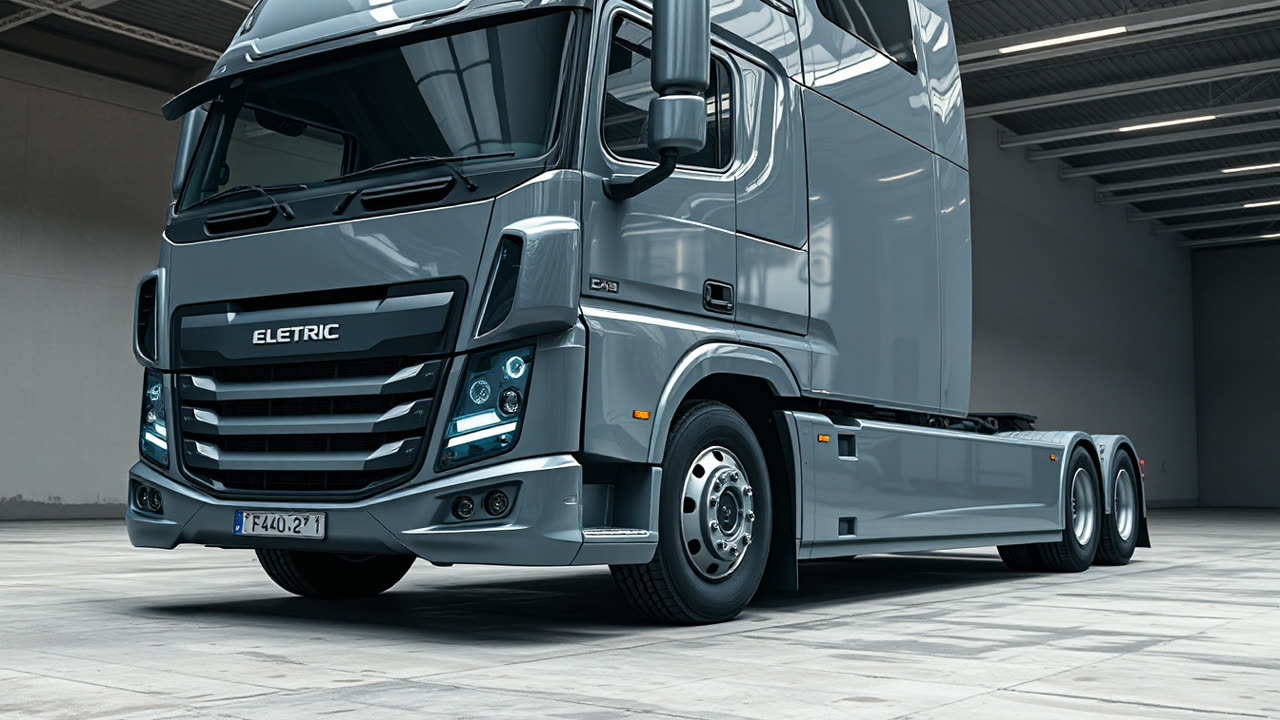
PACCAR brand DAF is integrating Level 4 autonomous technology from Einride into its premium electric truck platforms, marking a significant acceleration in the deployment of self-driving electric freight assets and signaling a profound shift in the logistics sector's embrace of advanced automation. This strategic partnership, announced today, positions DAF to leverage Einride's proven autonomous driving software and operational expertise, aiming to enhance efficiency, safety, and sustainability in long-haul and regional trucking operations. The collaboration will initially focus on specific routes and controlled environments, gradually expanding as regulatory frameworks and technological maturity allow.
The significance of this alliance extends far beyond a typical technology integration; it represents a powerful convergence of established heavy truck manufacturing with cutting-edge autonomous electric vehicle (AEV) innovation. DAF, a prominent player in the European truck market and a subsidiary of the global trucking giant PACCAR, brings robust manufacturing capabilities, an extensive service network, and deep industry knowledge to the table. Einride, a Swedish autonomous logistics firm, contributes its comprehensive "intelligent movement" platform, which includes not only the Level 4 autonomous driving system but also a holistic ecosystem for managing electric and autonomous fleets, charging infrastructure, and optimized routing. This integrated approach is crucial, as the successful deployment of AEVs requires more than just self-driving capabilities; it demands a complete operational overhaul.
For users, this partnership promises a future of more reliable, cost-effective, and environmentally friendly freight transport. Level 4 autonomy, defined by the Society of Automotive Engineers (SAE), means the truck can perform all driving tasks under specific conditions without human intervention, though a human driver might still be present for oversight or emergencies in the initial phases of deployment. This translates directly into potential for 24/7 operations, reduced labor costs, and optimized fuel (electricity) consumption through smoother, more predictable driving patterns. Furthermore, the inherent safety benefits of autonomous systems, which are not susceptible to fatigue or distraction, could drastically reduce accidents caused by human error. The electric powertrain, a core component of DAF’s contribution, directly addresses increasing pressure for decarbonization in logistics, offering zero tailpipe emissions and quieter operations, particularly beneficial in urban and suburban distribution.
Industrially, this collaboration exerts considerable pressure on rivals. While companies like Daimler Truck, Volvo Autonomous Solutions, and Tesla have been heavily investing in autonomous and electric trucking, the DAF-Einride partnership creates a formidable new contender by combining a legacy OEM's market reach with a specialized autonomy provider's agility. Daimler, for instance, has been developing its own autonomous truck technology through its subsidiary Torc Robotics, aiming for commercial deployment in the coming years. Volvo has also been active, deploying autonomous solutions in specific, highly controlled environments like mines and ports. Tesla’s Semi, while electric and promising autonomous features, has faced production delays and its full Level 4 capabilities are yet to be widely demonstrated. This DAF-Einride announcement highlights a growing trend of partnerships between traditional manufacturers and tech specialists, allowing both to focus on their core competencies and accelerate time-to-market.
Looking ahead, the immediate next steps will involve rigorous testing and validation of the Einride system on DAF's electric trucks, likely starting in controlled depot-to-depot scenarios or on predetermined highway routes where conditions are more predictable. Regulatory hurdles remain a significant factor; while some regions, particularly in Europe and parts of the United States, are developing frameworks for autonomous vehicle deployment, widespread adoption will require harmonized standards and public acceptance. The partnership's success will also hinge on the development of robust charging infrastructure capable of supporting large fleets of electric trucks, a challenge Einride's holistic platform aims to address. Over the next five to ten years, we can anticipate a gradual expansion of these autonomous electric fleets, initially complementing human-driven operations before potentially replacing them on specific, high-volume corridors. This move by DAF and Einride is not merely an incremental upgrade; it is a foundational step towards a fully automated, electric logistics ecosystem that promises to redefine the economics and environmental impact of global freight transport.