DARPA's Nuclear Waste Batteries Promise 30-Year Drone Endurance
Project SYMPHONEE by DARPA aims to power military drones for three decades using Strontium-90 from nuclear waste, revolutionizing autonomous operations.
✨ This content was summarized and interpreted by AI; it may contain errors — please verify accuracy with the original sources. Learn more
Listen to this story
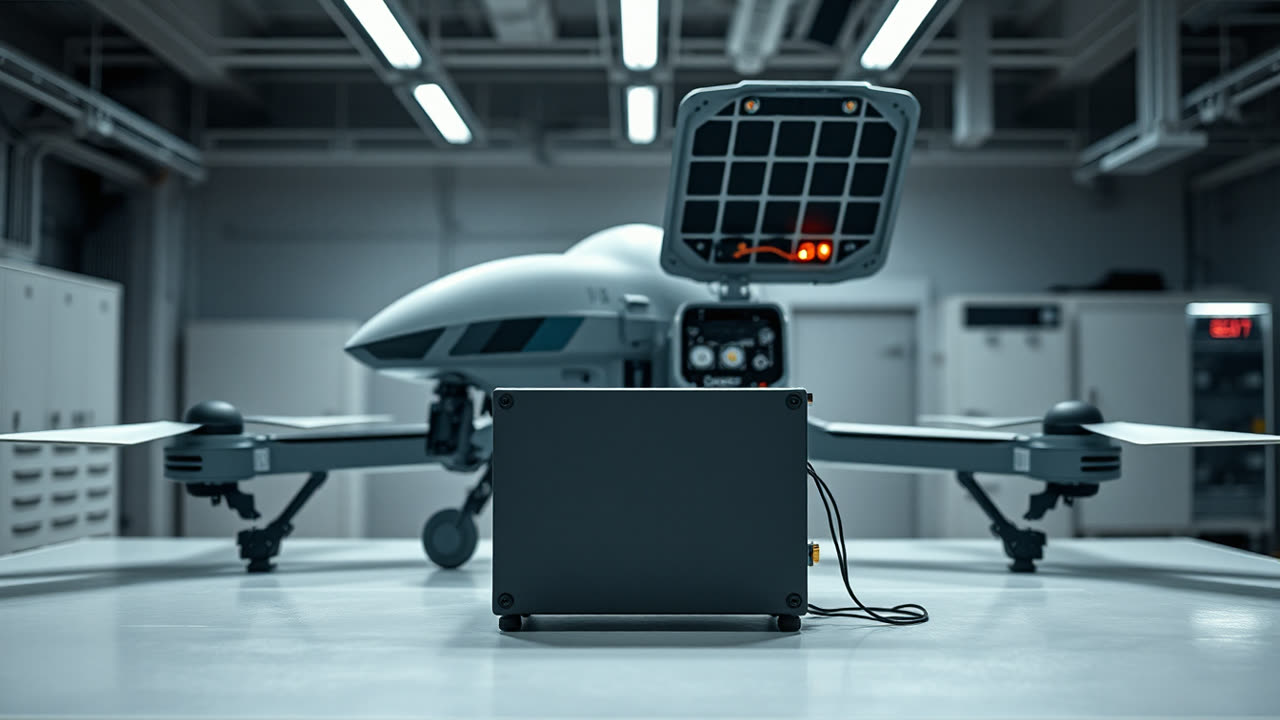
A groundbreaking initiative by DARPA's "Rads to Watts" program promises to revolutionize military drone capabilities with nuclear waste-powered batteries boasting an unprecedented 30-year endurance. Project SYMPHONEE, spearheaded by Morgan State University with key partners including Northrop Grumman and Project Omega, aims to harvest Strontium-90 from existing nuclear waste to create a new class of radiovoltaic devices. This technology directly converts beta radiation into electricity, sidestepping traditional thermal conversion methods, with initial prototypes targeted for 2027.
This development signals a profound shift in persistent autonomous operations. Current military drones are limited by battery life, necessitating frequent recharging and logistical support, especially in remote or contested regions. A 30-year power source would enable drones to conduct continuous, long-duration missions without intervention, dramatically enhancing intelligence, surveillance, and reconnaissance (ISR) capabilities across air, land, and sea. Such persistent power could free up significant resources and offer a strategic advantage, allowing for truly autonomous systems operating for decades in extreme environments where conventional power solutions fail.
While the prospect of repurposing nuclear waste into a strategic energy asset is compelling, the deployment of Strontium-90 in battlefield drones presents significant safety considerations. Strontium-90, a byproduct of nuclear fission with a 29.1-year half-life, is known to be toxic if ingested, mimicking calcium and posing risks for bone cancers. Although radioisotope power systems have a long safety record in space, the unique challenges of potential containment failure during combat or crashes on Earth demand rigorous evaluation. If these safety and regulatory hurdles can be effectively addressed, Project SYMPHONEE could usher in an era of unparalleled drone autonomy, fundamentally reshaping future military operations and potentially offering a novel approach to nuclear waste management.