Dell XPS 13 Upsets MacBook Neo in $700 Premium Laptop Showdown
In a surprising turn for the entry-level premium laptop market, the Dell XPS 13 has emerged as the superior choice over the anticipated MacBook Neo, particularly at the crucial $700 price point for models equipped with 8GB of RAM.
✨ This content was summarized and interpreted by AI; it may contain errors — please verify accuracy with the original sources. Learn more
Listen to this story
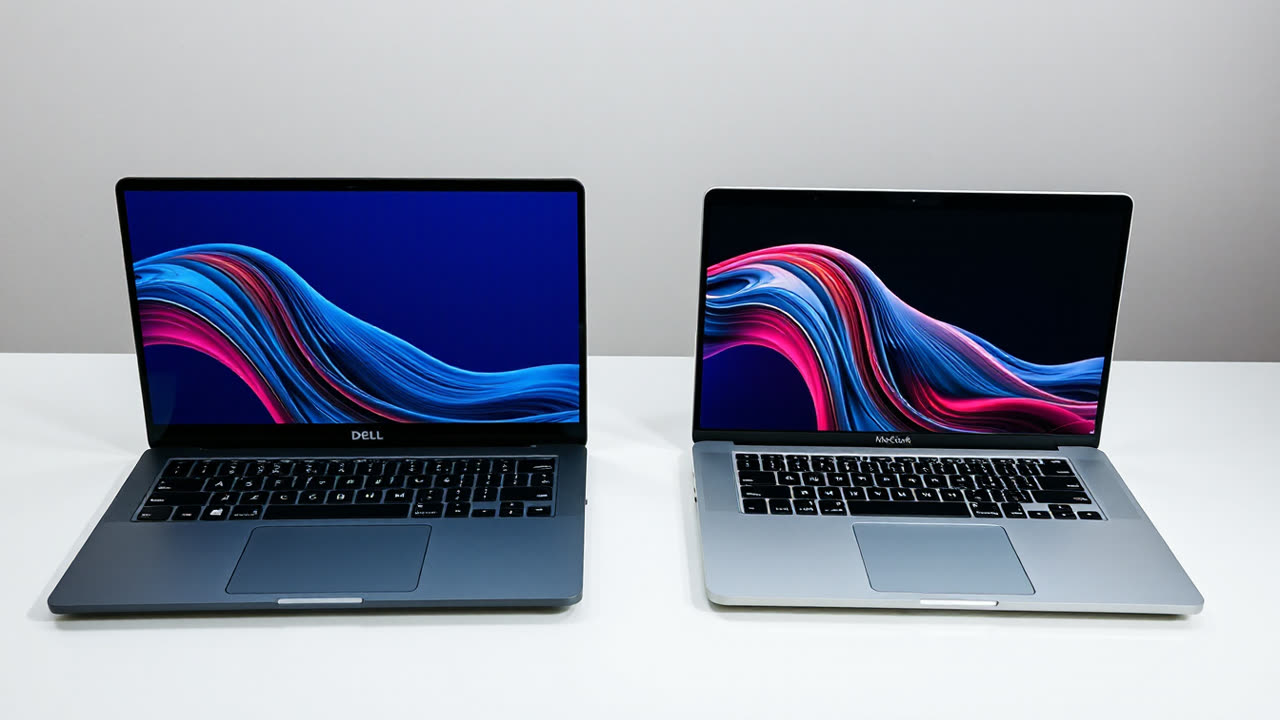
In a surprising turn for the entry-level premium laptop market, the Dell XPS 13 has emerged as the superior choice over the anticipated MacBook Neo, particularly at the crucial $700 price point for models equipped with 8GB of RAM. This unexpected victory for Dell, as detailed in recent industry analysis, signals a significant shift in value perception within a segment traditionally dominated by Apple's perceived premium status. The Dell XPS 13, often lauded for its refined design and robust build quality, managed to deliver a more compelling user experience and overall value proposition, challenging the notion that Apple's ecosystem automatically translates to a better budget-conscious premium buy.
The core of this upset lies in Dell's ability to optimize its hardware and software to deliver a more balanced performance profile for the specified configuration. While both machines target a user seeking a premium feel without breaking the bank, the XPS 13 reportedly offered better real-world performance metrics, especially in multitasking and sustained workloads, despite the identical 8GB RAM constraint. Reviewers highlighted the XPS 13's brighter, more vibrant display and a more comfortable keyboard experience as key differentiators. Furthermore, Dell's strategic pricing, bringing a well-appointed XPS 13 to the $700 mark, directly competes with and, in this instance, surpasses Apple's offering, which traditionally relies on its brand cachet and integrated software ecosystem to justify its cost. The MacBook Neo, while maintaining Apple's signature sleek design and robust security features, reportedly struggled to justify its price tag with performance or display quality that could genuinely outshine its rival in this specific configuration.
This outcome matters immensely for several reasons, impacting both users and the broader tech industry. For consumers, it shatters the myth that a premium laptop experience is exclusively tied to a higher price point or a single brand. It empowers buyers to critically evaluate specifications and real-world performance rather than relying solely on brand loyalty. The fact that a Dell XPS 13, a line celebrated for its high-end configurations, can offer such competitive value at $700 with 8GB of RAM suggests Dell is aggressively targeting a wider audience, democratizing access to premium features. This move puts pressure on Apple to re-evaluate its entry-level pricing and specifications for future MacBook iterations, particularly if it wishes to maintain its competitive edge in the accessible premium segment.
Historically, the Dell XPS 13 has been a benchmark for Windows laptops, consistently praised for its InfinityEdge display, compact chassis, and strong performance in higher-end configurations. Previous generations often started at higher price points, making this $700 offering a particularly aggressive play. In contrast, Apple's MacBook Air series has long been the go-to for users seeking a balance of portability, performance, and the macOS ecosystem, with models like the M1 MacBook Air proving incredibly popular for their efficiency and value. The "MacBook Neo" appears to be Apple's attempt to further penetrate this budget-conscious premium space, but in this direct comparison, it seems to have fallen short against a highly optimized Dell offering. This specific XPS 13 model, likely featuring a recent Intel Core i5 or i3 processor, appears to be better tuned for its 8GB RAM, delivering more consistent performance than its Apple counterpart in typical productivity tasks and web browsing.
Looking ahead, this surprising upset could catalyze significant shifts in product development and marketing strategies. Dell is likely to capitalize on this victory, further solidifying its position in the premium-yet-affordable laptop market. We might see more aggressive pricing and feature sets in its entry-level XPS models, potentially pushing the envelope on what consumers expect from a $700 laptop. For Apple, the challenge is clear: the "MacBook Neo" needs to offer a more compelling value proposition or risk ceding ground in a crucial market segment. This could mean optimizing future macOS versions for lower RAM configurations, introducing more competitive display technology at entry points, or re-evaluating its component sourcing to allow for more aggressive pricing. The long-term implication is a more competitive landscape, where both Windows and macOS machines at the $700 price point are forced to deliver increasingly sophisticated hardware and software experiences, ultimately benefiting the consumer. The battle for the budget-premium laptop crown has just intensified, with Dell proving that innovation and optimization can indeed trump brand legacy.