Digital Driver's Licenses: Convenience vs. Privacy and Security
The rollout of digital driver's licenses (DDLs) in platforms like Apple Wallet and Google Wallet, while promising unparalleled convenience, introduces a complex matrix of privacy and security concerns that demand immediate scrutiny beyond their superficial appeal.
✨ This content was summarized and interpreted by AI; it may contain errors — please verify accuracy with the original sources. Learn more
Listen to this story
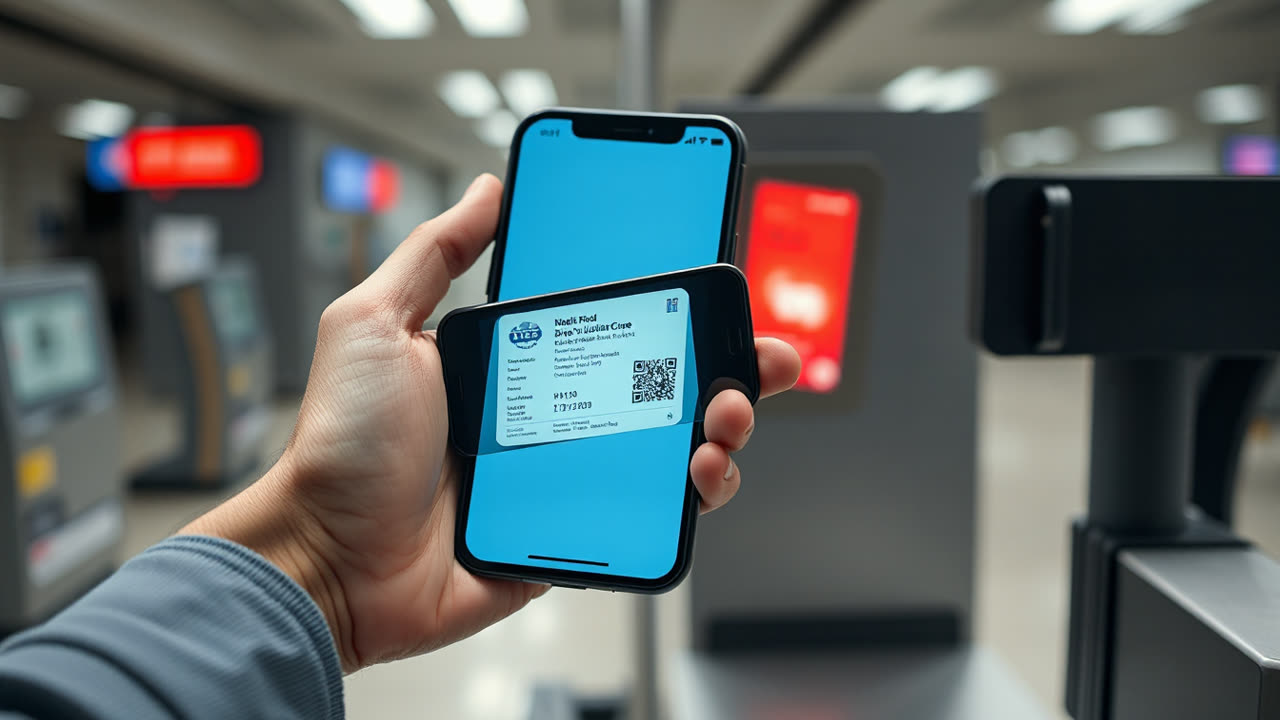
The rollout of digital driver's licenses (DDLs) in platforms like Apple Wallet and Google Wallet, while promising unparalleled convenience, introduces a complex matrix of privacy and security concerns that demand immediate scrutiny beyond their superficial appeal. Currently, a limited but growing number of U.S. states, including Arizona, Colorado, Maryland, and Georgia, have embraced this technology, allowing residents to securely store their driver's licenses or state IDs on their iPhones or Android devices. This digital transformation, which began with initial pilot programs and expanded adoption through 2022 and 2023, is poised to revolutionize identity verification, yet simultaneously opens new vectors for data exploitation and surveillance.
The core advantage of DDLs lies in their seamless integration into daily life, offering a streamlined method for identity verification at TSA checkpoints, select retail locations, and potentially for age-restricted purchases. For instance, the Transportation Security Administration (TSA) has been an early adopter, allowing DDLs at specific airport security checkpoints in participating states, streamlining the travel experience. Users benefit from not having to carry a physical card, and the potential for a lost or stolen wallet to compromise multiple forms of ID is reduced. However, this convenience is intrinsically linked to the very devices that are repositories of our most personal data, raising significant questions about the nature of data access and control.
One of the most salient privacy concerns stems from the potential for over-sharing of personal information. Unlike a physical license, which is visually presented, DDLs often leverage NFC or QR code technology for data transmission. While platforms like Apple Wallet emphasize that users control what information is shared and that only necessary data is presented, the underlying architecture means a digital interaction occurs. This interaction could, hypothetically, log metadata about when, where, and to whom an ID was presented, creating a digital trail of identity verification events. Law enforcement agencies, for example, could theoretically request access to such logs, raising concerns about the potential for tracking and surveillance without explicit consent or a warrant. The digital nature also raises questions about data retention policies by the verifying entities and the potential for aggregation of this data by third parties.
Security, while robustly implemented with encryption and biometric authentication (Face ID or Touch ID on Apple devices, fingerprint or face unlock on Android), is not infallible. A compromised smartphone, whether through sophisticated malware or a brute-force attack, could theoretically expose the digital license. While Apple and Google employ advanced security features like secure enclaves and robust encryption to protect this sensitive data, the sheer volume of personal information now centralized on a single device presents a higher-value target for cybercriminals. Moreover, the ease with which a device can be temporarily confiscated or accessed by authorities during an interaction, even without a warrant, presents a different kind of security vulnerability compared to a physical card. A physical license, once inspected, is typically returned; a digital one resides on a device that may be subject to further scrutiny.
Comparing DDLs to their physical predecessors, the shift from tangible to digital introduces a new layer of trust and vulnerability. A physical license has inherent limitations on data sharing; only what is visually readable can be absorbed. A digital license, however, can transmit specific data fields, theoretically allowing for "zero-knowledge proof" where only the necessary verification (e.g., "over 21") is confirmed without revealing the birthdate itself. While this is a privacy-enhancing feature, its implementation requires careful oversight to ensure that only the minimum necessary data is actually shared in practice, and that no additional, invisible data points are being collected by the verifying party. The industry is also grappling with ensuring universal acceptance and reliable interoperability across diverse scanning systems and jurisdictions, a hurdle that physical cards, despite their own limitations, have largely overcome through decades of standardization.
Looking ahead, the trajectory of digital driver's licenses points towards broader adoption, driven by convenience and the promise of enhanced security features like real-time revocation and tamper-proof credentials. However, this expansion must be accompanied by stringent regulatory frameworks that clearly define data access protocols, retention policies, and robust auditing mechanisms. Policymakers must address the "digital stop" scenario, ensuring that law enforcement interactions with DDLs do not lead to unwarranted device searches or data collection. Furthermore, robust public education campaigns are essential to inform users about their rights and the precise data sharing mechanisms involved. The ultimate success and ethical integration of DDLs into society will hinge not just on technological innovation, but on a transparent, user-centric approach to privacy and data governance, ensuring that convenience does not come at the cost of fundamental civil liberties. Without this proactive and comprehensive approach, the digital wallet, while a marvel of modern convenience, risks becoming an unwitting instrument for pervasive data collection and surveillance.