Discord Rolls Out New Global Age Assurance System After Previous Backlash
Discord has initiated a global rollout of its new age assurance system, automatically estimating user ages in most countries, marking a significant pivot towards proactive regulatory compliance seven months after a previous, invasive verification attempt was paused due to widespread user backlash, signaling a crucial industry shift towards balancing privacy with child safety.
✨ This content was summarized and interpreted by AI; it may contain errors — please verify accuracy with the original sources. Learn more
Listen to this story
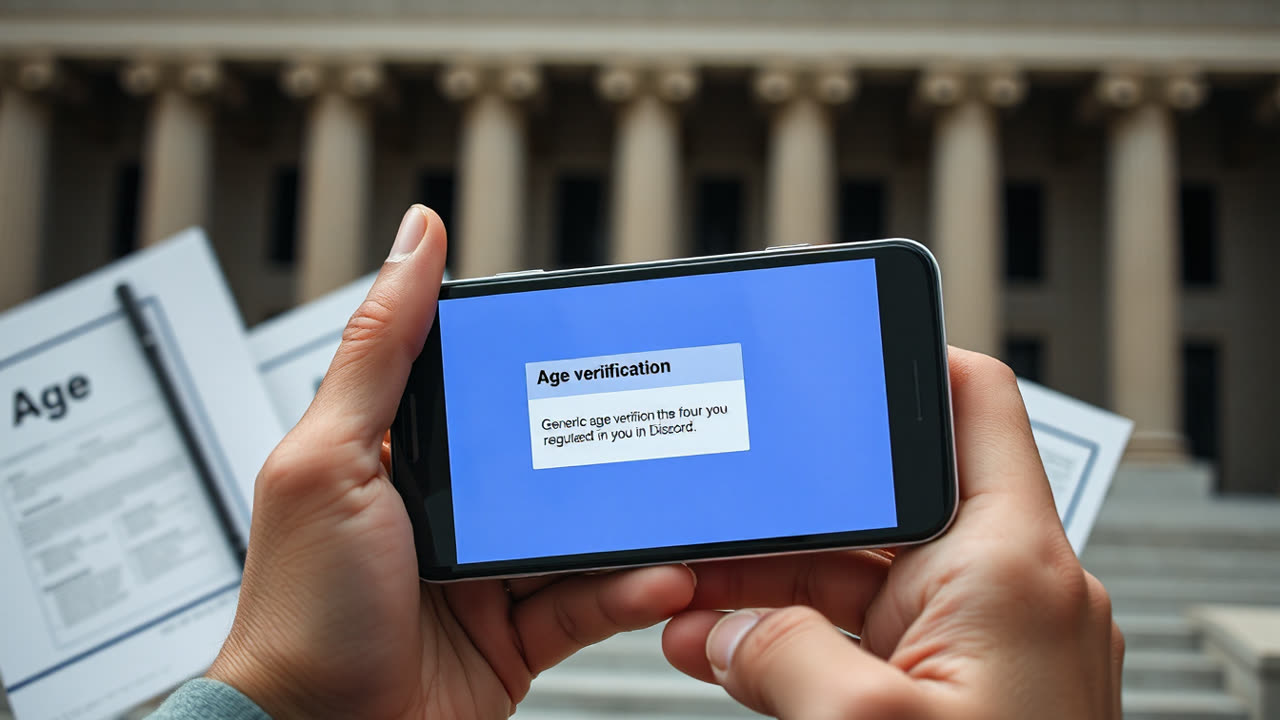
Discord has initiated a global rollout of its new age assurance system, automatically estimating user ages in all countries except Australia and the UK, marking a significant shift seven months after a previous verification attempt was paused due to widespread user backlash. This new system, which began deploying today, represents a pivot towards proactive age estimation, moving away from past reactive or opt-in verification methods, and aims to strengthen compliance with evolving global digital safety regulations.
The core technology behind this new system relies on a combination of machine learning and user-provided data, though specific technical details regarding the exact algorithms and data points utilized for estimation remain somewhat opaque from Discord's public statements. Unlike the previous system, which often required users to submit government-issued IDs or utilize third-party facial recognition services like Yoti for explicit verification, this new approach seeks to infer age without necessarily demanding direct, high-friction identity document uploads from every user upfront. Discord's prior age verification system, which mandated users to verify their age to access age-restricted servers or content, faced considerable criticism for its perceived invasiveness and potential for privacy breaches, leading to its temporary suspension in late 2025. Many users expressed discomfort with sharing sensitive personal identification documents, especially given the platform's young user base and the potential for data misuse or breaches. The abrupt implementation and lack of clear communication around the previous system contributed to significant user dissatisfaction.
This latest move by Discord underscores the increasing pressure on social media platforms to protect minors and comply with stringent age-gating requirements, particularly in light of legislation like the UK's Online Safety Act and the EU's Digital Services Act, both of which place significant onus on platforms to mitigate harm to children. While the current rollout excludes Australia and the UK, it is highly probable that Discord is developing region-specific solutions for these territories, given their advanced regulatory frameworks for online safety. For instance, the UK's Online Safety Act, which received Royal Assent in October 2023, mandates platforms to remove illegal content and protect children, with significant fines for non-compliance. Similarly, Australia's eSafety Commissioner has been a proactive global leader in online safety, pushing for robust age verification measures.
The impact on users is multifaceted. On one hand, an automated age estimation system could reduce friction for the majority of users, potentially allowing them to access appropriate content without the immediate demand for identity documents. This could alleviate some of the privacy concerns associated with direct ID uploads. However, the accuracy and potential for misidentification by an automated system raise new questions. False positives could inadvertently restrict adult users, while false negatives could still expose minors to inappropriate content, defeating the system's primary purpose. The appeals process for incorrect age estimations will be critical in mitigating user frustration and ensuring fair access. Furthermore, the very concept of "estimating" age rather than "verifying" it raises questions about the system's legal robustness, particularly in jurisdictions with strict age verification mandates.
From an industry perspective, Discord's approach represents a middle ground between lax self-declaration and stringent, often privacy-invasive, ID-based verification. Rivals like TikTok have experimented with various age-gating mechanisms, including parental consent tools and algorithms to detect underage users, while Instagram and Facebook have also explored AI-powered age estimation and vouching systems. For example, Instagram has tested AI that analyzes facial features to estimate age and has partnered with third-party age verification companies. The trend across the industry is clearly towards more sophisticated, often AI-driven, methods to determine user age without alienating users or incurring excessive operational costs. However, no single solution has proven universally effective or free of controversy. Discord's choice to develop an internal estimation system rather than solely relying on external verification providers like Yoti suggests a strategic move to maintain greater control over user data and the user experience, while potentially reducing reliance on third-party integrations that might have varying privacy policies.
Looking ahead, the success of Discord's new age assurance system will hinge on its accuracy, transparency, and the effectiveness of its appeals process. Should the system prove reliable, it could set a precedent for other platforms seeking to balance user privacy with regulatory compliance. However, if it frequently misidentifies ages or its underlying mechanisms are perceived as opaque, Discord risks another round of user backlash and potential scrutiny from privacy advocates and regulators. The exclusion of Australia and the UK from the initial rollout hints at the complexity of achieving a truly global, one-size-fits-all solution for age assurance, suggesting that regional variations in privacy laws and cultural expectations will continue to shape how platforms implement these critical safety features. Expect to see further refinement of this system, potentially incorporating user feedback and more detailed explanations of its methodology, as Discord navigates the intricate landscape of online safety and user trust. The ultimate goal for Discord, and indeed the broader tech industry, remains elusive: a seamless, private, and unequivocally effective method of ensuring users are of appropriate age for the content they consume.