DoorDash Unveils Six-Propeller Drone, Escalating Last-Mile Delivery Race
DoorDash's new six-propeller aircraft, revealed at Dash Forward 2026, signals a foundational shift in its drone delivery strategy, poised to redefine last-mile logistics and intensify competition in the on-demand market.
✨ This content was summarized and interpreted by AI; it may contain errors — please verify accuracy with the original sources. Learn more
Listen to this story
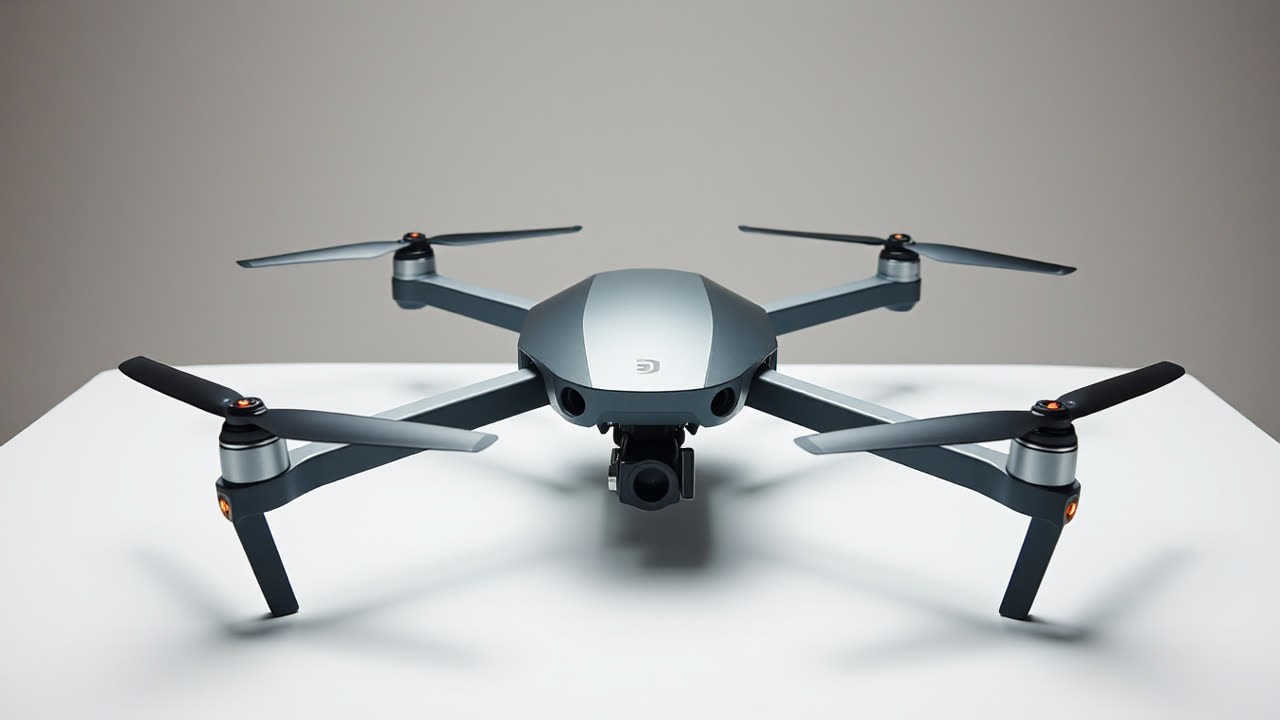
DoorDash unveiled a sophisticated six-propeller aircraft at its annual Dash Forward 2026 event, marking a significant escalation in its long-anticipated push into drone delivery and signaling a pivotal moment for last-mile logistics. This reveal is not merely an incremental upgrade but represents the culmination of a "ground-up" strategy, as the company describes it, indicating a foundational shift in how DoorDash envisions its future operational capabilities. The specific design of the six-propeller drone, optimized for urban and suburban environments, suggests a focus on payload capacity and stability, critical factors for delivering a diverse range of restaurant and grocery orders that have historically defined DoorDash's terrestrial operations.
This strategic pivot matters immensely for several reasons, fundamentally altering the competitive landscape of on-demand delivery and potentially reshaping consumer expectations. For users, the promise is unprecedented speed and efficiency, especially in congested areas where traditional vehicle-based delivery faces significant delays. Imagine a hot meal arriving within minutes of preparation, bypassing traffic entirely—this level of service could profoundly impact customer loyalty and drive higher order volumes. Furthermore, drone delivery could unlock access to previously underserved rural or semi-rural communities, expanding DoorDash's market reach beyond its current urban strongholds. The environmental implications are also noteworthy; a fleet of electric drones could significantly reduce carbon emissions associated with gas-powered delivery vehicles, aligning with growing consumer and corporate sustainability mandates.
For the industry, DoorDash's aggressive move into autonomous aerial delivery intensifies the race among tech giants and logistics firms. While rivals like Amazon's Prime Air and Alphabet's Wing have been piloting drone delivery for years, often focusing on lighter packages or specific geographic niches, DoorDash's entry brings a unique perspective rooted in high-frequency, perishable food delivery. Amazon, for instance, has expanded its Prime Air service to limited locations in Texas and California by late 2026, using its MK30 drone designed for lighter loads and primarily focusing on general merchandise. Wing has similarly carved out a niche in suburban areas, often partnering with local businesses for small item delivery. DoorDash's challenge will be to adapt its existing network of restaurants and grocery partners, many of whom operate with tight margins and specific packaging requirements, to the new aerial paradigm. This requires not just advanced drone technology but also sophisticated ground infrastructure for loading, charging, and maintenance, seamlessly integrating with their current platform.
DoorDash's "ground-up" strategy likely refers to its extensive experience in optimizing ground-based logistics, driver management, and order fulfillment systems, which it now aims to translate into the aerial domain. Unlike many drone-first companies, DoorDash brings an existing customer base, a vast merchant network, and a proven demand generation engine. This positions them to scale drone operations rapidly, assuming regulatory hurdles can be navigated efficiently. The Federal Aviation Administration (FAA) has made strides in 2026 towards standardizing Beyond Visual Line of Sight (BVLOS) operations and establishing clearer rules for drone airspace integration, which is critical for DoorDash's vision of widespread deployment. However, public perception, noise concerns, and safety regulations remain significant obstacles that will require continuous engagement and technological assurances.
Looking ahead, DoorDash's drone strategy is poised to catalyze a broader transformation in urban planning and logistics infrastructure. We can anticipate significant investment in "vertiports" or dedicated drone landing and takeoff zones, potentially integrated into existing commercial buildings or purpose-built facilities. This will necessitate collaboration with municipalities and real estate developers. The impact on the gig economy, a cornerstone of DoorDash's current model, will also be profound. While drone delivery may reduce the need for human drivers for certain types of orders, it will simultaneously create new job categories in drone operations, maintenance, and ground support, requiring a workforce with specialized technical skills. The initial rollout will likely target high-density urban corridors and specific suburban zones where the economic benefits of drone speed and efficiency outweigh the infrastructure costs and regulatory complexities. Success in these early markets will provide the data and operational blueprints for wider expansion, potentially establishing DoorDash as a frontrunner in the autonomous last-mile delivery revolution. The true test will be DoorDash's ability to not only deploy the technology but to integrate it seamlessly into its existing ecosystem, delivering a consistently reliable, cost-effective, and ultimately, superior customer experience.