ECOROAD ES6 Dual Motor Electric Scooter Launches with 2,000W Power and 34 mph Top Speed
The ECOROAD ES6 Dual Motor Electric Scooter enters the high-performance market with 2,000W output and a 34 mph top speed, offering Electrek readers an exclusive 5% discount.
✨ This content was summarized and interpreted by AI; it may contain errors — please verify accuracy with the original sources. Learn more
Listen to this story
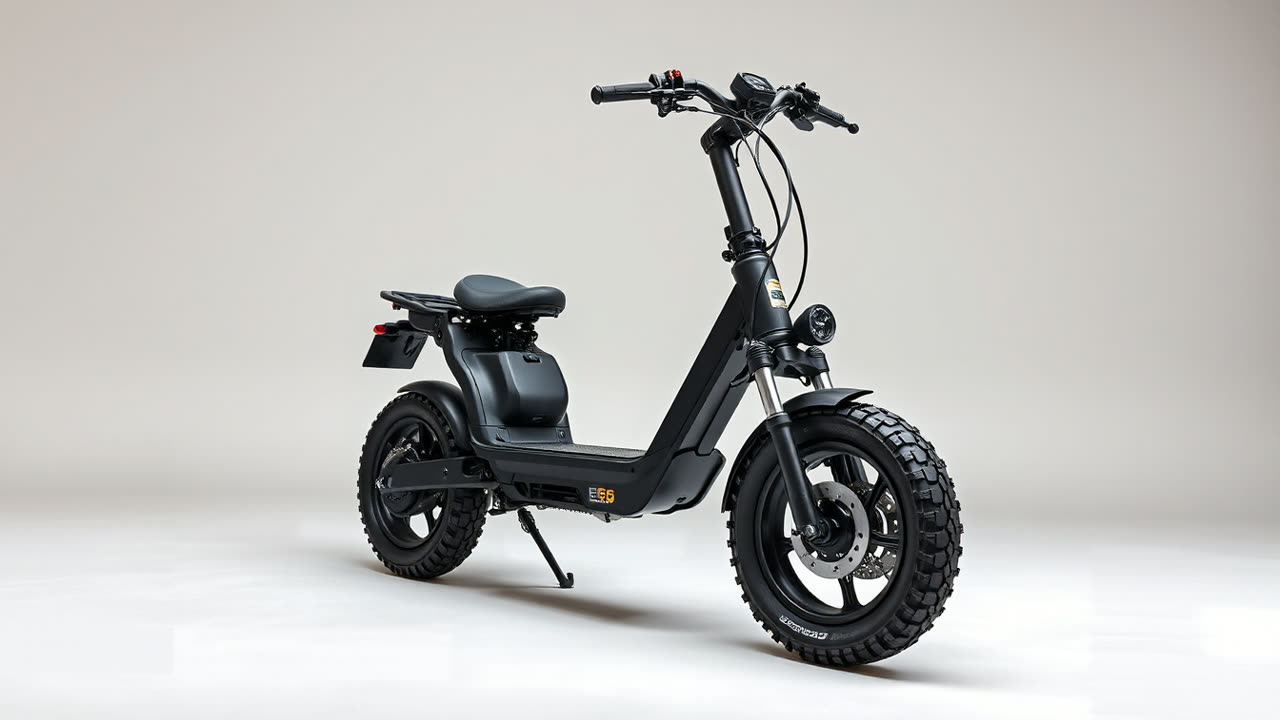
The ECOROAD ES6 Dual Motor Electric Scooter, boasting a formidable 2,000W total output and a top speed of 34 mph, marks a significant entry into the burgeoning high-performance electric scooter market, offering Electrek readers an exclusive 5% discount at launch. This aggressive specification sheet immediately positions the ES6 as a contender for riders seeking robust off-road capability and exhilarating speed, moving far beyond the realm of typical last-mile commuting devices. With dual motors providing substantial torque, the scooter is designed to tackle varied terrains, promising more than just urban agility. This level of power and speed, while thrilling for enthusiasts, also necessitates a closer examination of its implications for rider safety, infrastructure, and the evolving regulatory landscape surrounding personal electric vehicles.
The emergence of scooters like the ECOROAD ES6 underscores a pivotal shift in the electric personal mobility sector, moving towards specialized, enthusiast-grade vehicles that prioritize performance and versatility over sheer affordability or basic utility. The ES6’s 2,000W power output, likely a peak figure, translates to rapid acceleration and sustained speed, appealing to users who previously might have considered electric bicycles or even entry-level motorcycles for similar experiences. Its 34 mph top speed places it squarely in a category where careful consideration of local laws and rider skill becomes paramount, as many jurisdictions still grapple with defining and regulating such high-speed personal mobility devices. The integration of dual motors is a key differentiator, providing enhanced traction and climbing ability crucial for legitimate off-road use, distinguishing it from single-motor counterparts that often struggle on inclines or loose surfaces.
Compared to its rivals, the ECOROAD ES6 enters a competitive field dominated by brands like Kaabo, NAMI, and VSETT, all pushing the boundaries of electric scooter performance. For instance, the Kaabo Wolf Warrior X GT, a popular model in the high-performance segment, offers a similar dual-motor setup with a combined peak power often exceeding 2400W and top speeds ranging from 37-43 mph, depending on the variant. Similarly, the VSETT 10+ R, another dual-motor contender, typically provides 2800W peak power and reaches speeds up to 50 mph, often featuring advanced suspension systems and larger battery capacities for extended range. While the ES6’s 2,000W and 34 mph are respectable, its competitive edge will likely hinge on its specific battery capacity, range, suspension quality, build materials, and, crucially, its pricing relative to these established benchmarks. The "room to grow" mentioned in its description suggests a potentially robust platform, perhaps hinting at customizability or a durable design capable of enduring demanding use, which could attract a segment of riders looking for a reliable, powerful workhorse.
The impact on users is multifaceted. For the adventurous rider, the ES6 offers an accessible entry point into high-performance off-road scootering, potentially at a more attractive price point than some ultra-premium models. Its capabilities promise exhilarating commutes and weekend adventures, expanding the utility of electric scooters beyond urban confines. However, the increased speed and power also bring heightened safety concerns. Riders will need robust protective gear, and the scooter itself must feature reliable braking systems, effective lighting, and stable handling at speed. The industry, in turn, is pushed to innovate further, not just in raw power but in integrated safety features, advanced suspension for comfort and control, and intelligent battery management systems to balance performance with range and longevity. The market for such scooters is segmenting rapidly, moving beyond a "one-size-fits-all" approach to cater to specific niches like off-road enthusiasts, speed demons, and long-distance commuters.
Looking ahead, the trajectory for high-performance electric scooters like the ECOROAD ES6 points towards continued innovation in battery technology, leading to greater range without proportional increases in weight. We can expect more sophisticated suspension systems, potentially with adjustable dampening, to enhance both comfort and control across diverse terrains. Furthermore, the integration of advanced rider aids, such as traction control, ABS-like braking, and even rudimentary connectivity features for navigation and diagnostics, will become more common, mirroring advancements in electric motorcycles. The greatest challenge, however, remains regulatory clarity. As these devices grow in power and speed, governments worldwide will be compelled to establish clearer guidelines regarding their legal operating environments, speed limits, and licensing requirements, which will ultimately shape consumer adoption and the industry's growth trajectory. The ECOROAD ES6, with its blend of power and targeted appeal, represents a vital step in this ongoing evolution, solidifying the electric scooter's position as a serious, versatile, and increasingly high-performance mode of personal transport.