Electric School Buses Become Grid Heroes in U.S. Heatwave
During a severe U.S. heatwave, over 200 electric school buses used Vehicle-to-Grid (V2G) technology to inject 8 megawatt-hours of power into the strained electricity system, preventing blackouts.
✨ This content was summarized and interpreted by AI; it may contain errors — please verify accuracy with the original sources. Learn more
Listen to this story
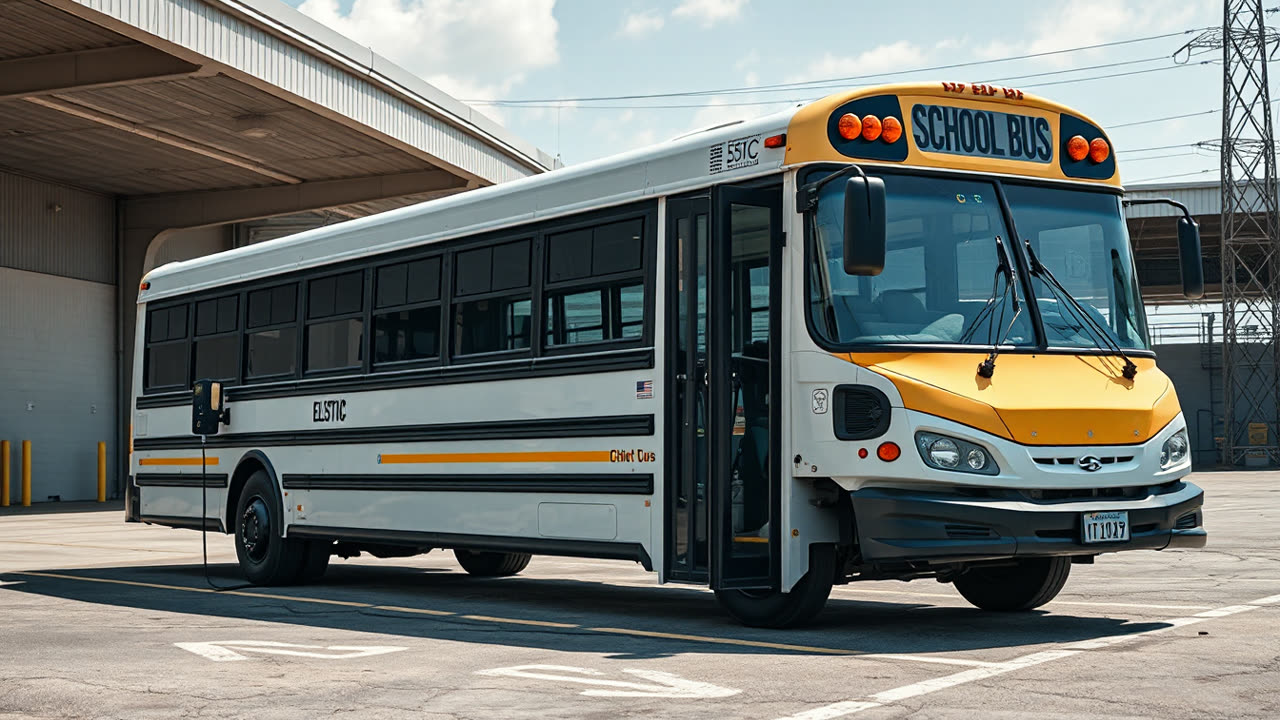
Last week, as a relentless heatwave pushed the U.S. power grid to its absolute limits, electric vehicles (EVs)—particularly electric school buses—emerged as an unexpected pillar of support, actively feeding electricity back into the strained system. Far from being the burden critics feared, a network of over 200 electric school buses across the nation deployed Vehicle-to-Grid (V2G) technology, injecting 8 megawatt-hours of power into the grid at crucial times, enough to power approximately 1,600 typical homes for up to four hours.
The severe, multi-day heat dome that blanketed much of the central and eastern United States in late June and early July 2026 caused electricity demand to soar to near-record levels, prompting emergency orders from the U.S. Department of Energy to prevent widespread blackouts. Utilities like PJM Interconnection, serving 67 million people, faced unprecedented strain. However, through V2G projects, these otherwise idle school buses leveraged their large batteries to discharge power during peak demand periods, effectively "shaving" the load and helping utilities maintain stability and keep the air conditioning running. Beyond direct power injection, demand response programs also incentivized EV owners to charge during off-peak hours, further balancing the grid.
This pivotal moment signals a significant shift in the perception of EVs from potential grid stressors to invaluable assets. While still in its early stages, with V2G projects facing hurdles such as upfront costs and the need for standardized regulatory frameworks, the demonstrated capability of these vehicles, especially school buses, highlights a robust pathway to grid resilience. Experts like Steve Letendre of the Vehicle Grid Integration Council anticipate electric school buses will form a "critically important backbone of V2G capacity" as their numbers grow exponentially. This summer's heatwave has underscored that smart EV integration is not just a futuristic concept but a vital, operational solution for our evolving energy landscape.