Elon Musk Dismisses '4D Chess' Theory, Warns of "Extremely Slow" Optimus Production
Elon Musk has unequivocally rejected speculative theories about Tesla's Optimus robot development, stating production will be "extremely slow at first" due to its immense complexity.
✨ This content was summarized and interpreted by AI; it may contain errors — please verify accuracy with the original sources. Learn more
Listen to this story
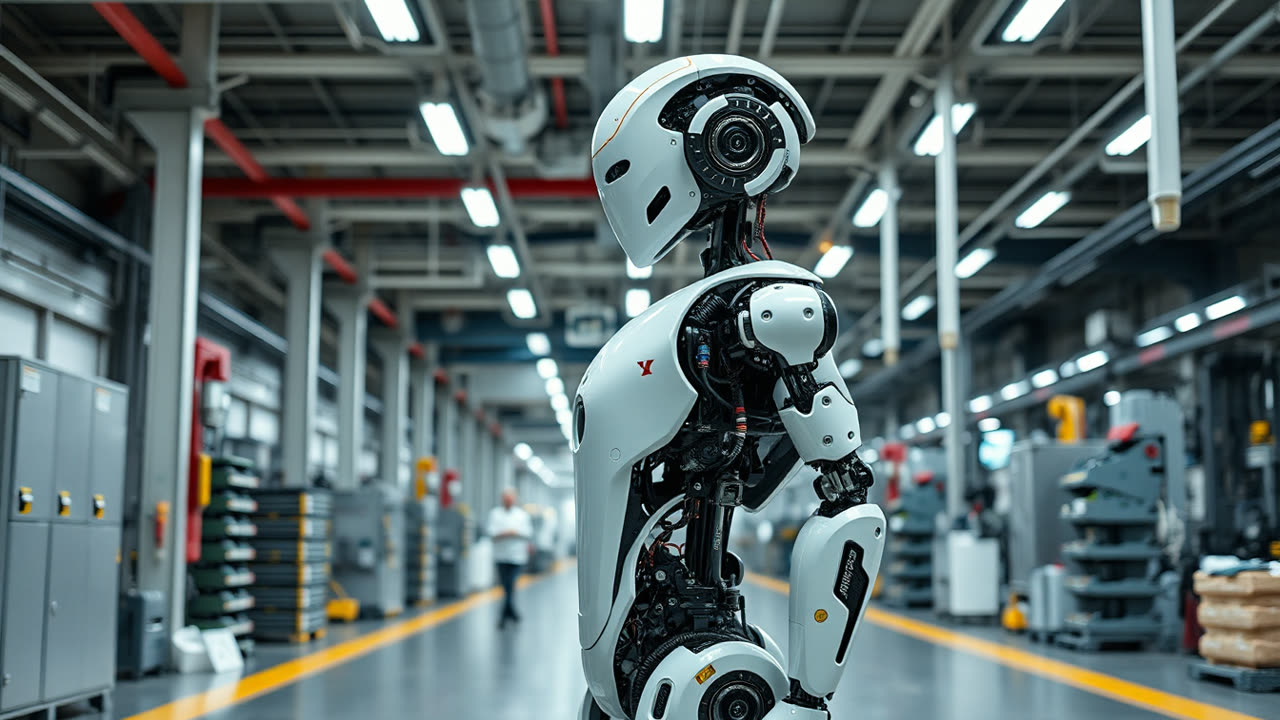
Elon Musk has emphatically dismissed the popular "4D chess" theory circulating among Tesla enthusiasts, directly stating that production of the Optimus humanoid robot "will be extremely slow at first." This unequivocal rejection cuts against speculative narratives suggesting Tesla is secretly further ahead on Optimus development and deliberately withholding progress to outmaneuver competitors. Instead, Musk cautioned that the manufacturing ramp-up will be gradual, emphasizing, "This is not like making a car."
The comment, made on X, directly addressed a theory that proposed Tesla had intentionally delayed the Optimus V3 demo because it was already exceeding production forecasts and sought to prevent rivals from copying its designs. Musk's candid response underscores the immense complexity of bringing a humanoid robot to mass production. Optimus reportedly comprises approximately 10,000 unique parts, presenting significant manufacturing challenges distinct from Tesla's established vehicle assembly processes.
This statement serves as a crucial reality check for overly bullish expectations surrounding Tesla's robotics venture. While pilot production for Optimus Gen 3 is indeed slated to commence at the Fremont factory this summer—around late July or August 2026, utilizing repurposed Model S and X lines—high-volume output is not anticipated until around summer 2027. Musk's consistent messaging, aligning with a classic manufacturing "S-curve" model, indicates a slow initial phase before any rapid scaling. This pragmatic outlook contrasts with previous ambitious pronouncements, including an admission in January 2026 that no Optimus robots were yet performing "useful work" in Tesla's factories, primarily serving for learning and data collection. While Tesla maintains long-term targets of 1 million units annually at Fremont and eventually 10 million units at Giga Texas, the immediate future demands a focus on perfecting the intricate assembly process rather than chasing high volumes.