EU Exempts Smartwatches from Replaceable Battery Mandate
The European Commission has granted smartwatches and other wearables a significant exemption from its 2027 mandate for user-replaceable batteries, citing design constraints and water resistance.
✨ This content was summarized and interpreted by AI; it may contain errors — please verify accuracy with the original sources. Learn more
Listen to this story
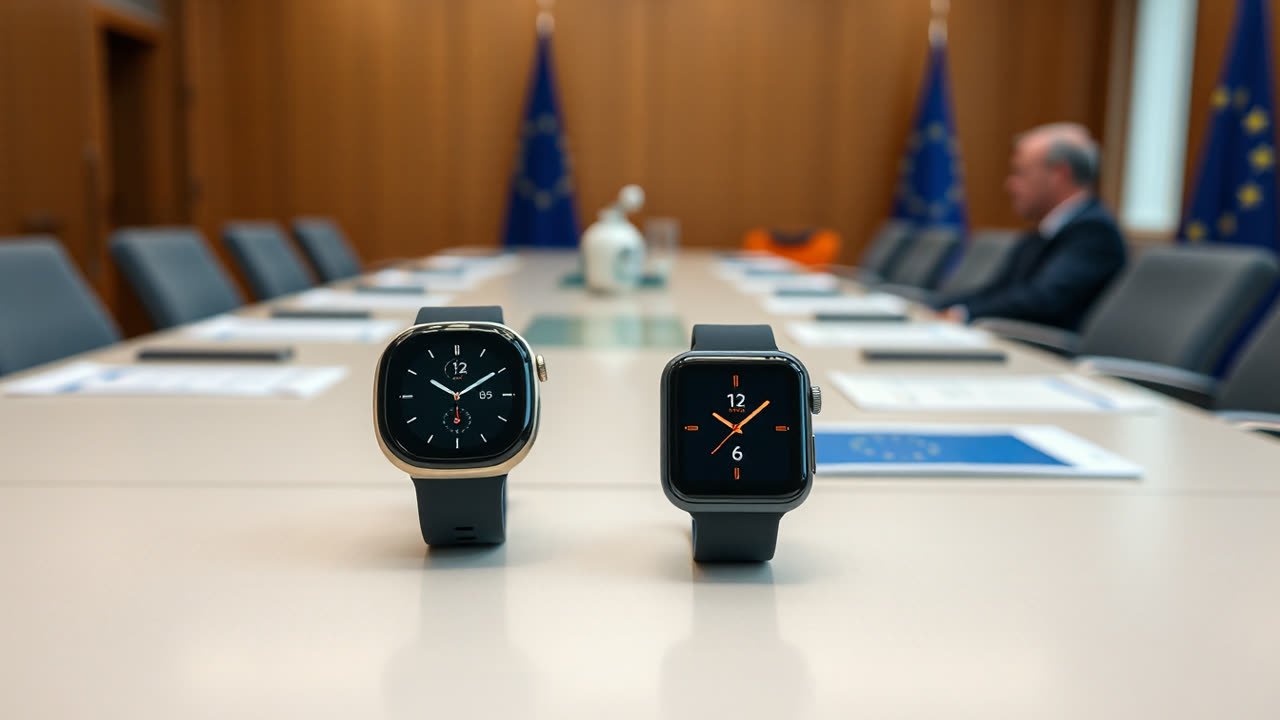
The European Commission has notably exempted smartwatches and other wearables from its upcoming 2027 mandate requiring user-replaceable batteries in many electronic devices, a decision that carves out a significant exception to the EU's broader push for enhanced repairability and reduced electronic waste. This specific carve-out for devices like fitness trackers, hearables, and smart rings, initially adopted as part of a comprehensive battery regulation in 2023, underscores a complex tension between environmental sustainability goals and the practical realities of miniaturization, water resistance, and user experience in the rapidly evolving wearable tech sector.
The rationale behind this exemption largely hinges on the unique design constraints inherent to wearables. Manufacturers argued, successfully, that mandating easily removable batteries would compromise critical features such as water resistance, device compactness, and aesthetic appeal, all of which are paramount for consumer adoption and functionality in products worn directly on the body. For instance, the intricate sealing required to achieve water ratings essential for many smartwatches and fitness trackers would be severely complicated by a design necessitating a user-accessible battery compartment, potentially leading to increased failure rates and a diminished product lifespan, ironically counteracting the spirit of the regulation. Furthermore, the extremely limited internal volume of these devices often means the battery itself is custom-shaped and densely packed alongside other components, making a modular, easily swappable design a significant engineering hurdle without drastically increasing size or weight.
This decision carries substantial implications for both consumers and the wearable technology industry. For users, the immediate impact is a continuation of the status quo: when a wearable’s integrated battery degrades, which typically occurs within 2-3 years for heavy users, the device often becomes functionally obsolete, prompting replacement rather than repair. This contributes directly to the growing mountain of e-waste, as millions of otherwise functional devices are discarded due to a single, non-replaceable component. Consumers are effectively locked into a cycle of planned obsolescence, where the initial purchase price is not the only consideration but also the implicit cost of regular replacement. The perceived lack of repairability can also erode consumer trust and loyalty over time, particularly as environmental consciousness rises.
From an industry perspective, the exemption offers continued design freedom, allowing companies to prioritize slim profiles, advanced waterproofing, and innovative form factors without the immediate burden of re-engineering for battery modularity. This could accelerate the development of more sophisticated and specialized wearables, pushing boundaries in areas like biometric sensing, health monitoring, and haptic feedback, where space and integrity are critical. However, it also removes a powerful external incentive for manufacturers to invest in longer-lasting battery technologies or more robust, integrated power solutions that might extend device longevity. Without the regulatory stick, the incentive to differentiate through superior battery life or repairability might remain a secondary concern compared to feature sets and aesthetic appeal. The decision also highlights a divergence from the EU's own precedent, as the 2023 battery regulation explicitly targets common electronics like smartphones, laptops, and electric bicycles for mandatory replaceable batteries by 2027, aiming to enhance the circular economy. This creates a two-tiered system where larger portable electronics are subject to strict repairability standards, while their smaller counterparts are not, potentially leading to questions about consistency and equitable application of environmental policy.
Looking ahead, this exemption does not entirely absolve the wearable industry of its environmental responsibilities. While not mandated, market pressures and evolving consumer expectations for sustainability may still drive innovation towards more durable batteries or more repairable designs, even if the battery itself remains integrated. Companies that voluntarily adopt more sustainable practices, such as offering affordable battery replacement services through authorized channels or designing devices with longer battery cycles, could gain a competitive edge. Furthermore, advancements in battery technology, such as solid-state batteries or more energy-dense chemistries, could inherently extend the lifespan of wearables, mitigating the need for frequent replacements without requiring user-swappable designs. Regulatory bodies might also revisit this exemption in the future, particularly if e-waste from wearables continues to surge or if technological advancements make user-replaceable batteries more feasible without compromising core functionalities. The European Commission's decision, while pragmatic for the current state of wearable technology, ultimately represents a compromise, deferring a significant environmental challenge to future innovation and potentially, future regulation.