Fairphone 6 Plus's US Debut Marks Pivotal Moment for Sustainable Tech
Fairphone’s direct entry into the United States market with the Fairphone 6 Plus, priced at $649.99, marks a pivotal moment for the sustainable technology movement, not just for the Dutch company.
✨ This content was summarized and interpreted by AI; it may contain errors — please verify accuracy with the original sources. Learn more
Listen to this story
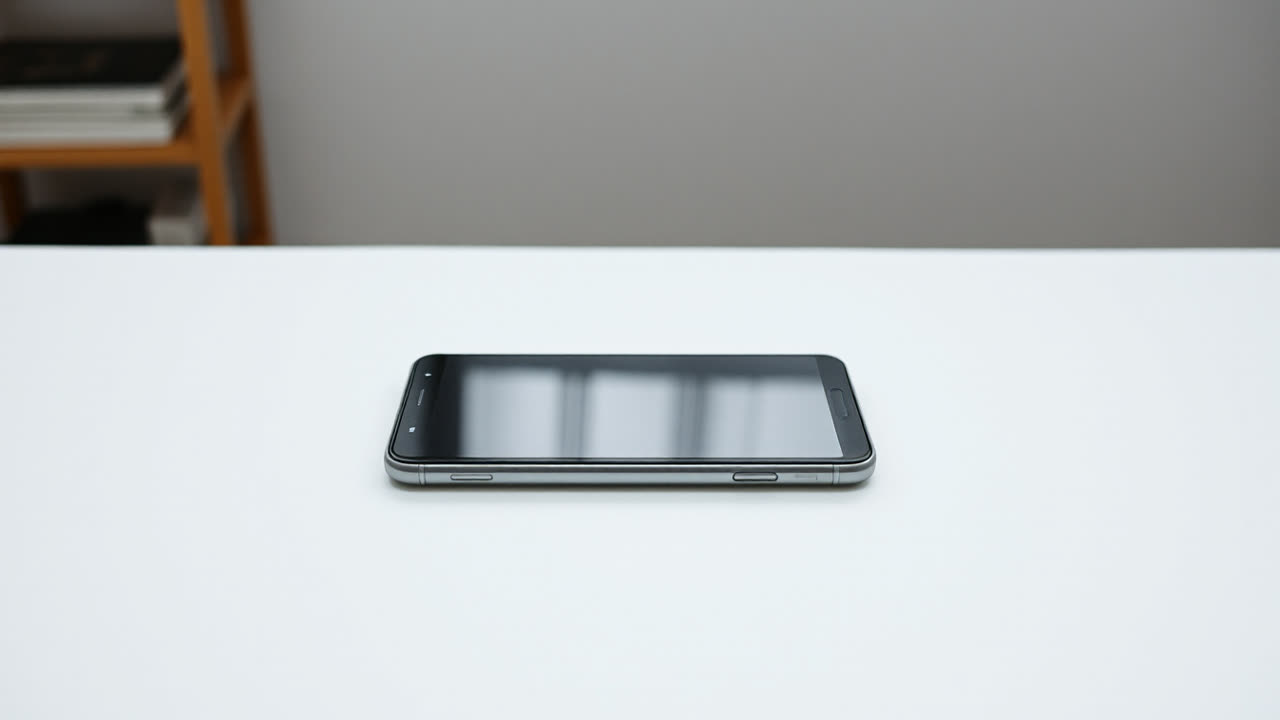
Fairphone’s direct entry into the United States market with the Fairphone 6 Plus, priced at $649.99, marks a pivotal moment for the sustainable technology movement, not just for the Dutch company. While the Fairphone 6 Plus itself represents a minor hardware iteration over its predecessor, the Fairphone 5, its availability through Fairphone's website and Amazon in the notoriously challenging US market signifies a significant strategic expansion and a direct challenge to the disposable culture prevalent in consumer electronics.
This launch matters profoundly for users by offering an unprecedented choice in a market dominated by devices designed for planned obsolescence. American consumers, increasingly aware of e-waste and ethical sourcing, now have a readily accessible smartphone built on principles of longevity, repairability, and responsible materials. Unlike most smartphones where battery replacements or screen repairs often require specialized tools and void warranties, Fairphone devices are celebrated for their modular design, allowing users to easily swap out components like batteries, cameras, and even USB-C ports with a standard screwdriver. The Fairphone 5, for instance, achieved an impressive 10/10 repairability score from iFixit, a benchmark the 6 Plus is expected to maintain, standing in stark contrast to the often complex and expensive repair processes of mainstream rivals. This empowers users to extend the life of their device, reducing electronic waste and potentially saving money on replacements.
For the industry, Fairphone's US debut carries substantial implications. The world's third-largest smartphone market, the US has historically been a tough nut to crack for smaller, European-based phone manufacturers, often due to stringent carrier certifications and entrenched brand loyalties. Fairphone's ability to navigate these hurdles, even through a direct-to-consumer model, demonstrates a growing demand for ethical and repairable alternatives. This move could catalyze mainstream manufacturers to at least acknowledge, if not directly address, the escalating consumer pressure for more sustainable products. With right-to-repair legislation gaining momentum across various US states, Fairphone’s presence provides a tangible, commercially available example of what a repair-friendly smartphone looks like, potentially influencing future regulatory discussions and pushing the envelope for industry-wide changes. The company’s commitment to using ethically sourced materials, including fair-trade gold and recycled plastics, also sets a higher bar for supply chain transparency that could resonate with a segment of the US consumer base.
Comparing the Fairphone 6 Plus to its immediate predecessor, the Fairphone 5, the "minor hardware refresh" likely implies subtle internal optimizations rather than a complete overhaul. The Fairphone 5, launched in August 2023, featured a Qualcomm QCM6490 processor, a 90Hz OLED display, a 4,200 mAh user-replaceable battery, and a dual 50MP camera system, with a notable promise of up to eight years of software support. While specific benchmark improvements for the 6 Plus remain to be fully detailed, the core value proposition of repairability and longevity remains paramount. In terms of raw performance and camera capabilities, the Fairphone 6 Plus at $649.99 will face stiff competition from mainstream devices in the mid-range segment, such as Google's Pixel A-series or Samsung's Galaxy A-series, which often prioritize cutting-edge silicon and advanced computational photography at similar price points. However, Fairphone's appeal lies not in raw power, but in its unparalleled repairability and ethical footprint, which mainstream competitors largely neglect.
Looking ahead, Fairphone's success in the US will hinge on several factors. Building brand awareness against the marketing might of tech giants will be a significant challenge, requiring effective communication of its unique value proposition beyond the niche sustainability community. Expanding carrier compatibility beyond initial indications (like T-Mobile support for the Fairphone 5) would be crucial for broader market penetration, as many US consumers still prefer purchasing phones through their service providers. Should Fairphone manage to capture a meaningful share of the US market, even a small one, it could validate the business case for sustainable tech and encourage investment in similar ventures. Ultimately, the Fairphone 6 Plus's US launch is more than just another phone hitting shelves; it is a litmus test for whether a genuinely repairable, ethically produced smartphone can thrive in one of the world's most demanding consumer electronics landscapes, potentially heralding a future where longevity and sustainability are as valued as performance and aesthetics.