Fairphone 6 Plus: The 'Average' Midrange Phone That Redefines Sustainable Tech
Fairphone's latest device proves that ethical production and repairability can now seamlessly integrate into the mainstream midrange market, challenging industry norms.
✨ This content was summarized and interpreted by AI; it may contain errors — please verify accuracy with the original sources. Learn more
Listen to this story
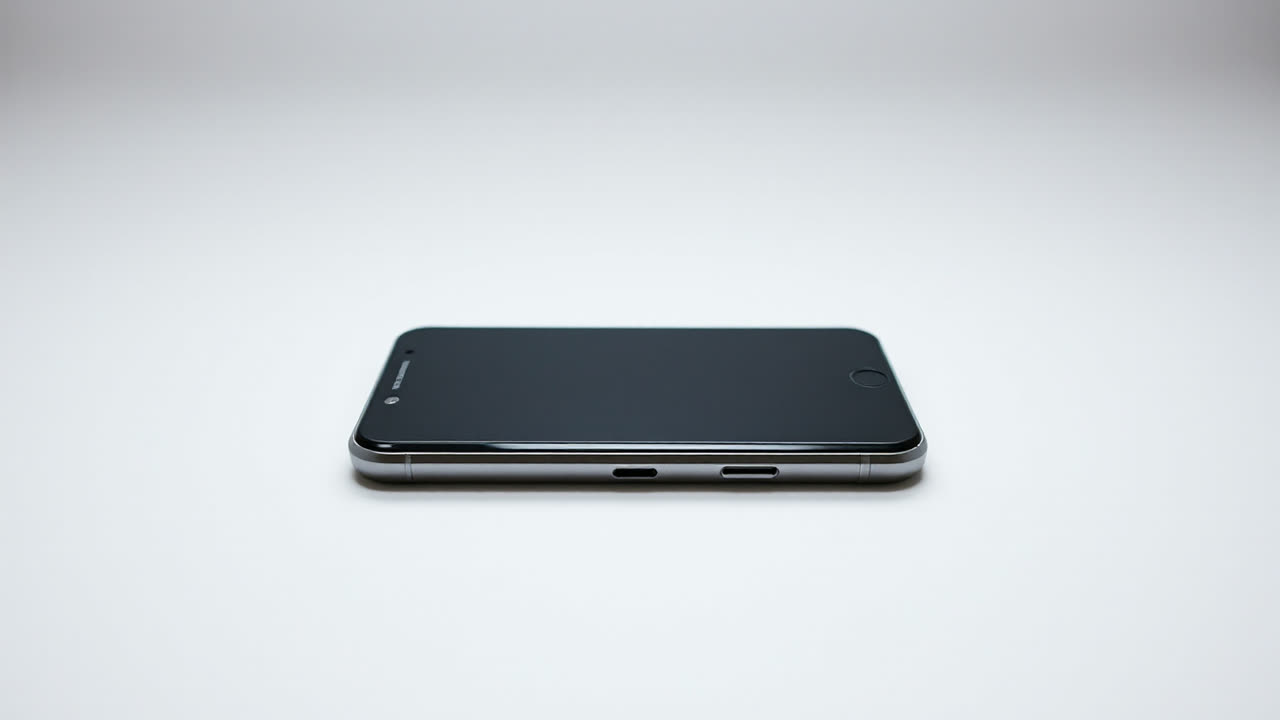
The Fairphone 6 Plus, emerging as a surprisingly "average" midrange Android device, marks a pivotal moment for the sustainable electronics movement, demonstrating that ethical production and repairability need not come at the cost of mainstream usability. This latest iteration, while eschewing bleeding-edge specifications, delivers a crucial message: a phone built with a conscience can now blend seamlessly into the competitive mid-tier market, offering a compelling alternative to consumers increasingly wary of planned obsolescence and environmental impact. Its very normalcy is its triumph, validating years of Fairphone's efforts to integrate sustainability into a commercially viable product without requiring significant compromises on user experience.
The core news lies in the Fairphone 6 Plus's successful navigation of the midrange sweet spot, a segment historically dominated by devices prioritizing aggressive pricing and feature lists over longevity or ethical considerations. While specific benchmarks and pricing for the Fairphone 6 Plus are yet to be widely detailed, Fairphone's previous models, like the Fairphone 5, typically featured Qualcomm Snapdragon 700 series processors, 8GB to 12GB of RAM, and 128GB to 256GB of storage, alongside capable camera arrays. One can expect the Fairphone 6 Plus to follow this trajectory, offering performance adequate for daily tasks, moderate gaming, and multimedia consumption. The defining characteristic, however, remains its unparalleled repairability, with user-replaceable components for the screen, battery, cameras, and charging port, often requiring only a standard screwdriver. This commitment extends to software, with Fairphone promising extended support, often exceeding five years of Android updates, far surpassing many rivals in its class. The materials sourcing is another critical detail, with the company meticulously tracking minerals like tin, tungsten, tantalum, and gold to ensure they are conflict-free and ethically extracted, alongside using recycled plastics and fair-trade aluminum.
This development matters immensely for both users and the wider industry. For consumers, the Fairphone 6 Plus provides a tangible option to align their purchasing power with their values. No longer do they face a stark choice between an ethical but underperforming device and a powerful but problematic one. The "average" performance means it can serve as a primary device for a vast majority, breaking down a significant barrier to adoption for environmentally conscious individuals. The high degree of repairability not only extends the device's lifespan, reducing electronic waste, but also empowers users, fostering a sense of ownership and control over their technology. The cost savings from self-repairs, often significantly cheaper than professional services or full device replacement, further enhance its long-term value.
For the industry, the Fairphone 6 Plus serves as a potent case study and a challenge. Its market presence demonstrates that consumer demand for sustainable electronics is maturing beyond a niche. This could pressure larger manufacturers, who often operate on rapid upgrade cycles and sealed designs, to re-evaluate their production methodologies. While major players like Samsung and Apple have made strides in using recycled materials and improving repair programs, they still largely lag behind Fairphone's modularity and comprehensive ethical sourcing. The success of an "average" Fairphone 6 Plus could force competitors to consider design for longevity and repairability as genuine selling points rather than afterthoughts, potentially leading to a broader industry shift towards more circular economy principles. This could manifest in greater transparency in supply chains, easier access to spare parts, and longer software support across the board.
In comparison to its predecessors, the Fairphone 6 Plus likely refines the formula established by the Fairphone 5, which itself represented a significant leap in design and performance balance compared to earlier models. The Fairphone 5, for instance, introduced a more modern aesthetic and improved camera performance, addressing some of the common criticisms of its forebears. The "Plus" designation in the Fairphone 6 Plus suggests potential enhancements in screen size, battery capacity, or perhaps camera capabilities, without necessarily pushing into flagship territory. Against rivals like the Google Pixel A-series, Samsung's Galaxy A-series, or various offerings from Xiaomi and OnePlus in the midrange, the Fairphone 6 Plus might not win on raw processing power or photographic prowess in every scenario. However, its unique value proposition of guaranteed longevity, repairability, and ethical provenance stands unparalleled, offering a distinct advantage for a growing segment of the market. For instance, while a Pixel 7a might offer superior computational photography, its repair score and component availability are typically lower than Fairphone's.
Looking ahead, the Fairphone 6 Plus sets the stage for a future where sustainable tech is not an outlier but a legitimate contender. The next steps for Fairphone will likely involve continued refinement of performance, potentially exploring more advanced camera technologies or faster charging, while steadfastly maintaining its core values. The increasing availability of ethically sourced components and advancements in modular design could allow future Fairphone models to close the performance gap even further with conventional devices, without compromising their mission. Furthermore, the company may explore expanding its ecosystem, perhaps with ethically produced accessories or even other consumer electronics. The real long-term impact, however, will be measured by how much the Fairphone 6 Plus and its successors inspire industry giants to fundamentally rethink their product lifecycles, moving beyond incremental improvements to embrace true design for sustainability and repairability, thereby making the "average" ethical phone the new industry standard.