FBI Investigates Suspected Fake Hotspot Attack on Delta Flight Linked to DEF CON
The FBI's Atlanta field office has confirmed an active investigation into a suspected 'Evil Twin' Wi-Fi attack targeting a Delta Air Lines flight, believed to have originated from attendees of the DEF CON cybersecurity conference.
✨ This content was summarized and interpreted by AI; it may contain errors — please verify accuracy with the original sources. Learn more
Listen to this story
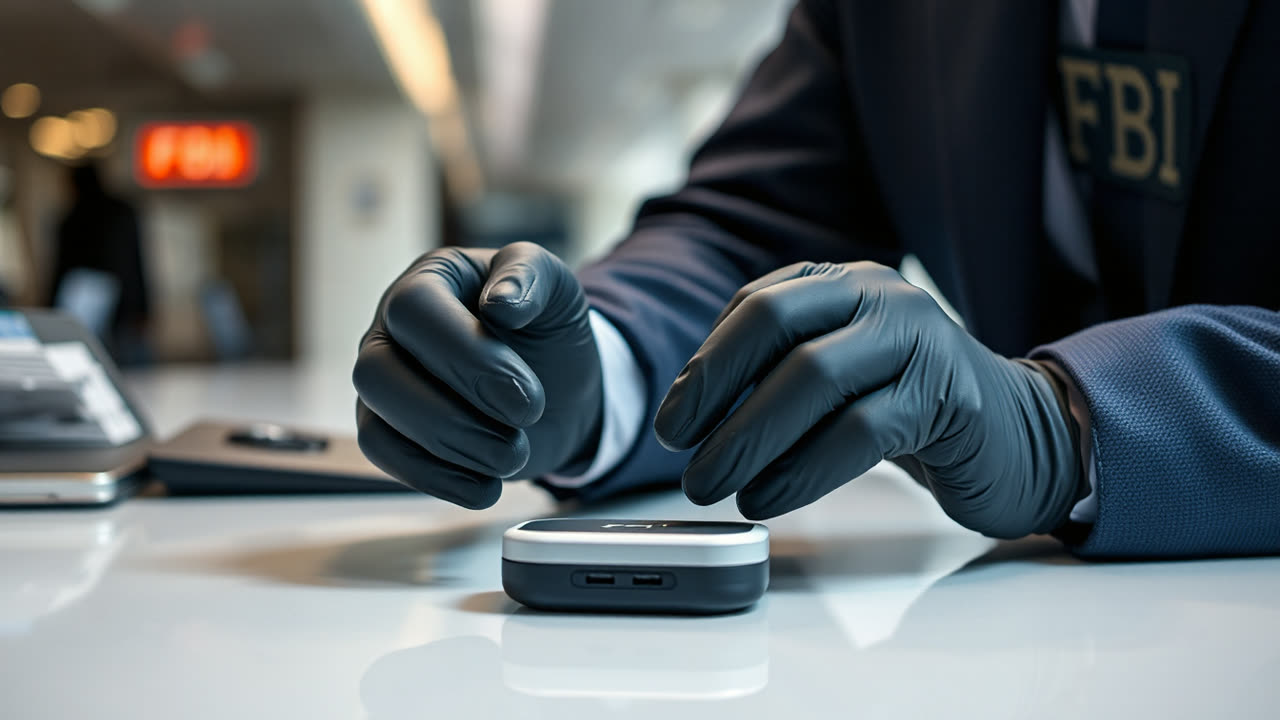
The Federal Bureau of Investigation's Atlanta field office has confirmed an active investigation into a suspected fake-hotspot attack targeting a Delta Air Lines flight, an incident believed to have originated from attendees of the DEF CON cybersecurity conference in Las Vegas. This alarming event, which unfolded in early August 2026, saw passengers on a Delta flight experiencing unusual network behavior, prompting immediate concern and subsequent FBI scrutiny. While no arrests have been made, the implications of such a brazen act extend far beyond a mere prank, striking at the core of aviation security, passenger trust, and the ethical boundaries of the hacker community.
The incident, first reported by Ars Technica, detailed how passengers aboard a Delta flight, potentially en route from Las Vegas following DEF CON, noticed a peculiar Wi-Fi network appearing on their devices. This network, reportedly mimicking legitimate in-flight services or offering enticingly free internet, is suspected to have been a rogue access point designed to intercept or monitor passenger data. Such an attack, often termed an "Evil Twin" attack, creates a malicious Wi-Fi network that masquerades as a legitimate one, luring unsuspecting users to connect. Once connected, the attacker can potentially capture sensitive information like login credentials, personal data, or even inject malware. The FBI's involvement underscores the seriousness of the potential federal offenses, which could range from unauthorized computer access under the Computer Fraud and Abuse Act to interfering with aircraft operations, carrying severe penalties. Delta Air Lines has not publicly detailed the specific flight or the full extent of the disruption, but their cooperation with federal authorities highlights the gravity of the perceived threat to passenger safety and data integrity.
This event carries profound implications for both users and the airline industry. For passengers, it shatters the already fragile sense of digital security in public spaces. The convenience of in-flight Wi-Fi, often a paid service, becomes a vector for exploitation, eroding trust in airline-provided amenities. Users, often less tech-savvy, are particularly vulnerable to social engineering tactics employed by fake hotspots, making them unwitting participants in their own compromise. The psychological impact of knowing one's personal data could have been exposed at 30,000 feet, coupled with the inherent anxieties of air travel, could lead to increased reluctance to use in-flight services, impacting ancillary revenues for airlines. For the aviation industry, this incident demands a re-evaluation of current cybersecurity protocols. While airlines invest heavily in securing their operational technology, the focus must now expand to encompass the passenger experience layer, particularly public-facing Wi-Fi networks. This could necessitate more robust authentication mechanisms, real-time network monitoring for rogue access points, and enhanced passenger education campaigns about cybersecurity risks. The incident also casts a shadow over DEF CON, a conference historically known for pushing boundaries but also for fostering responsible disclosure. While the conference organizers have always disavowed illegal activities, the perception of attendees engaging in such acts on commercial flights could lead to increased scrutiny from law enforcement and potentially impact the conference's future operations or its relationship with host cities and venues.
Comparing this to previous incidents, the use of a fake hotspot is a relatively low-tech but highly effective method of attack, a classic "man-in-the-middle" technique. However, deploying it on an active commercial flight adds a layer of audacity and potential legal exposure not typically seen in ground-based attacks. While there have been past concerns about the security of aircraft systems themselves—ranging from vulnerabilities in in-flight entertainment systems to potential access points in cockpit networks—this incident directly targets passenger communications infrastructure, a distinct vector of attack. Previous generations of cybersecurity threats on flights were often theoretical or focused on the aircraft's operational technology. This incident, however, brings the threat directly to the passenger's personal device and data, demonstrating a shift in attacker focus or capability. The comparison to rivals is less about specific airline security practices and more about the universal vulnerability of public Wi-Fi and the human element of security. Every airline offering in-flight connectivity faces this same challenge.
Looking ahead, the FBI's investigation will likely seek to identify the perpetrators and understand their specific intentions. Success in this regard could lead to significant legal precedents regarding cybersecurity offenses in the unique environment of an aircraft. For Delta and other airlines, this incident will undoubtedly accelerate the adoption of advanced threat detection systems for their in-flight networks and potentially lead to partnerships with cybersecurity firms specializing in mobile and wireless security. We might see airlines implementing stricter validation processes for Wi-Fi networks, perhaps even using digital certificates or unique identifiers that are harder to spoof. Furthermore, the incident will spark crucial conversations within the DEF CON community and the broader ethical hacking landscape about responsible disclosure and the boundaries of "testing" in real-world, public environments. It’s conceivable that DEF CON itself might issue stronger warnings or implement more stringent codes of conduct for attendees, especially concerning activities conducted during travel to and from the event. This incident serves as a stark reminder that as our lives become increasingly connected, so too do the opportunities for malicious actors, necessitating a constant evolution of security measures and a collective commitment to digital hygiene across all sectors.