Flock Safety's Drones Reshape Emergency Response, Sparking Intense Privacy Debate
Flock Safety's Alpha drones are rapidly deploying to U.S. emergency scenes, often arriving before ground units, yet their integration with broader surveillance systems is fueling a national privacy controversy.
✨ This content was summarized and interpreted by AI; it may contain errors — please verify accuracy with the original sources. Learn more
Listen to this story
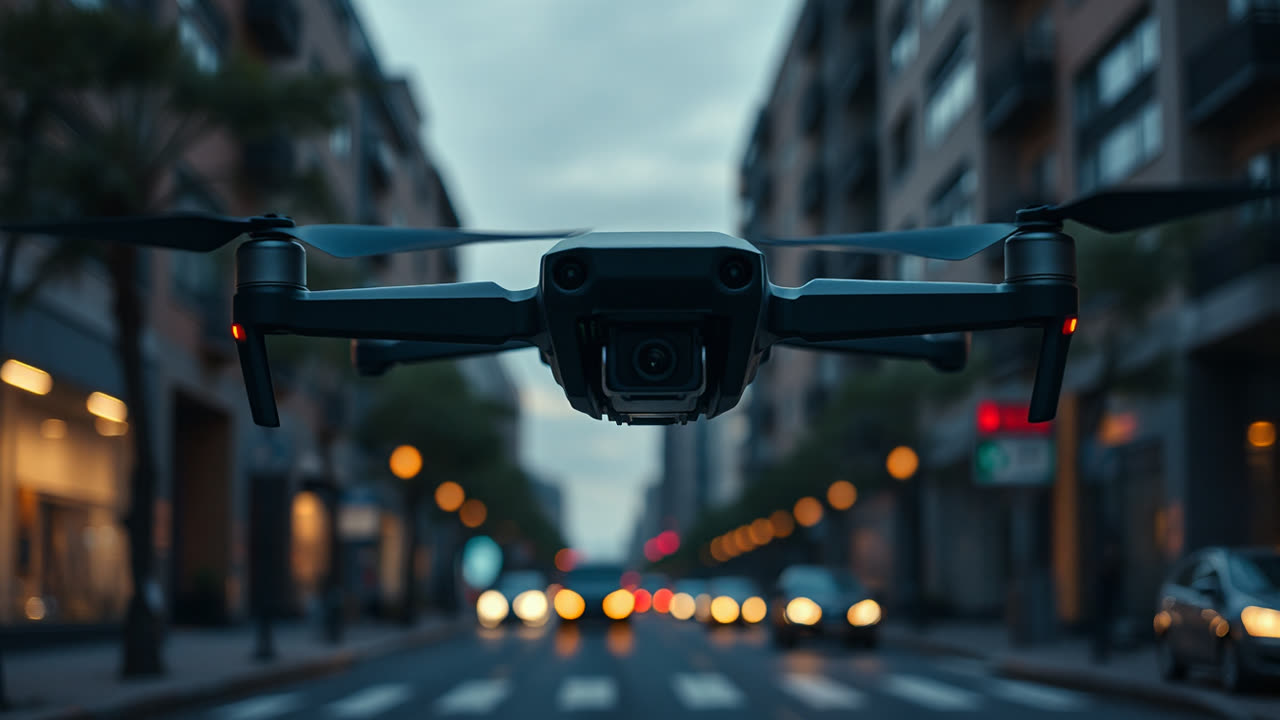
Flock Safety's Alpha drones, capable of speeds up to 60 mph, are fundamentally reshaping emergency response in certain U.S. cities, routinely reaching incident scenes in under two minutes and often arriving before ground units. This rapid deployment, integrated with 911 systems, license-plate readers (LPRs), and gunshot detection, marks a significant technological leap, yet it simultaneously ignites an escalating national debate over privacy and the specter of pervasive aerial surveillance.
The core of this transformation lies in Flock's Drone-as-First-Responder (DFR) system, which autonomously launches drones from rooftop docks to provide live, high-definition video and thermal imaging to dispatchers and officers. Fort Worth, Texas, showcased the technology's potential during a two-month pilot program from May to June 2026, where drones responded to 162 emergency calls, achieved an average response time of 112 seconds, and were the first unit on scene in 76 instances. Remarkably, 11 calls were resolved without needing to dispatch officers, demonstrating a tangible reduction in resource allocation and potential de-escalation of incidents. Flock Safety itself claims an average response time of 86 seconds from launch to scene, with one in five calls cleared without sending patrol resources. The Alpha drone, designed and assembled in the USA, boasts capabilities like reading license plates from up to 2,000 feet away, extended flight endurance, and four independent cellular modems for reliable coverage.
This expedited situational awareness is a critical advantage, enhancing safety for both first responders and the public by providing a clear understanding of a scene before human entry. For law enforcement and emergency services, DFR systems promise more efficient resource allocation, allowing officers to focus on higher-priority incidents. The Federal Aviation Administration (FAA) has recognized this potential, streamlining the waiver process for automated drone operations. Between April 2025 and February 2026, the FAA issued over 200 waivers for DFR programs, a dramatic increase compared to the 50 approvals granted from 2018 to 2024, indicating a rapid embrace of this technology by over 1,000 public safety agencies across the country.
However, the proliferation of DFR drones is not without fierce opposition, primarily centered on profound privacy concerns. Critics, including the American Civil Liberties Union (ACLU) and the Electronic Frontier Foundation (EFF), argue that Flock's integrated ecosystem of ALPRs and drones constitutes an unprecedented expansion of mass surveillance. Flock Safety, which acquired drone firm Aerodome in October 2024, initially built its business on a vast network of over 120,000 ALPR cameras in 6,000 communities across 49 states, capturing over 20 billion license plate scans monthly. The integration of these ground-based sensors with aerial drones creates a comprehensive surveillance capability that privacy advocates liken to a "god's eye view".
Concerns are particularly acute regarding data retention, sharing, and potential misuse. While Flock Safety has recently announced a reduction in its default ALPR data retention period from 30 days to seven days and implemented mandatory misuse detection protocols requiring case numbers for searches, the ACLU dismisses these as "thinly veiled PR". Instances of law enforcement officers misusing ALPR data for personal reasons, such as stalking former romantic partners, have been documented in over 100 cases by the Institute for Justice. Furthermore, cities like Mountain View, California, discovered that federal agencies had accessed their Flock camera data without local authorization. The city of Los Angeles allowed its three-year contract for Flock's ALPR cameras to expire, citing concerns about privacy, data storage, and a 32.3% false-positive rate for stolen vehicle alerts. Other cities, including Berkeley and Bridgeport, Connecticut, have rejected Flock DFR proposals outright due to privacy fears and concerns about data sharing with federal immigration authorities.
The industry landscape is rapidly evolving. While Flock Safety's CEO Garrett Langley has stated that drones are the company's "fastest-growing business unit" and could account for nearly half of future revenue, other players like Axon and BRINC Drones are also developing and deploying DFR systems. The shift from human-operated drones to automated, AI-driven systems represents a new paradigm in public safety technology, moving beyond the traditional limitations of visual line-of-sight operations.
Looking ahead, the trajectory of DFR deployment will be heavily influenced by ongoing legal battles and community pushback. The ACLU's recent lawsuit against the city of San Diego and its police department over the use of Flock cameras, arguing a violation of the California state constitution's right to privacy, signals intensified legal challenges. The growing "deflock" movement, characterized by grassroots activism, protests, and even vandalism of cameras, underscores a deepening public distrust. While police departments laud the efficacy of drones in crime fighting and emergency response, the ethical implications of ubiquitous aerial surveillance without robust, independently verified safeguards will continue to fuel legislative debates at all levels of government. The future of DFR technology hinges not just on its technical prowess, but on its ability to earn and maintain public trust through unparalleled transparency, strict oversight, and demonstrably effective privacy protections that go beyond mere corporate assurances.