Ford Recalls Nearly 90,000 Mustang Mach-E EVs Over Detaching Glass Trim
Ford's flagship electric vehicle, the Mustang Mach-E, faces a significant recall of 86,543 units due to a critical safety concern involving a potentially detaching rear side glass trim while the vehicle is in motion.
✨ This content was summarized and interpreted by AI; it may contain errors — please verify accuracy with the original sources. Learn more
Listen to this story
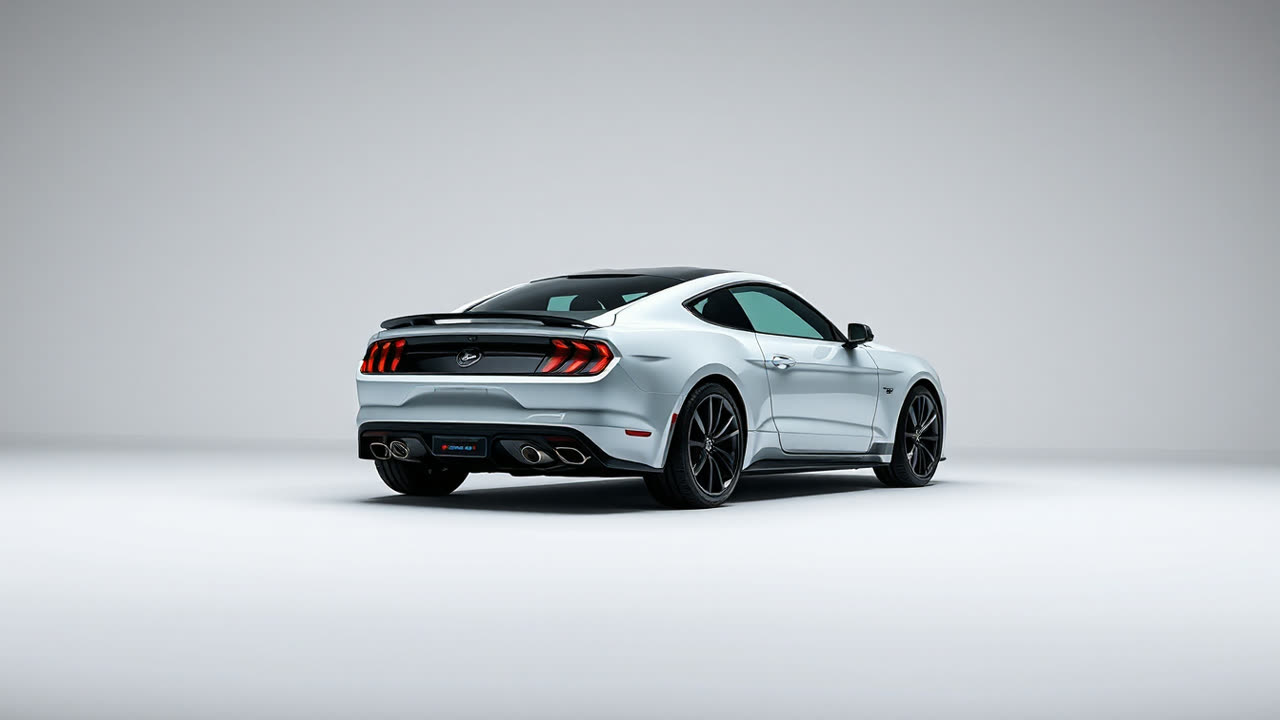
Ford has initiated a significant recall of 86,543 Mustang Mach-E electric vehicles, addressing a critical safety concern where a piece of glass trim on the rear side could detach while the vehicle is in motion. This latest recall, impacting nearly 90,000 units of Ford's flagship EV, represents a substantial blow to the automaker's reputation for quality and its ambitious electrification strategy, coming at a time when consumer confidence in nascent EV technology is paramount.
The affected vehicles span various production years, and the specific defect involves the potential for the rear side glass trim to loosen and separate from the vehicle, posing a road hazard to other drivers and potentially increasing the risk of an accident. While Ford has not yet detailed the precise failure mechanism, such an issue typically points to either an adhesive bonding problem, a manufacturing defect in the trim piece itself, or an assembly process flaw. The sheer volume of affected vehicles underscores a systemic issue rather than an isolated incident, demanding a robust and transparent resolution from the Dearborn automaker.
This recall carries significant implications for Ford's standing in the fiercely competitive electric vehicle market. The Mustang Mach-E, introduced as a direct challenger to established EV players like Tesla's Model Y, has been a cornerstone of Ford's "Ford+ Plan" to accelerate its EV transition. While initial sales were promising, the Mach-E has faced a series of quality-related setbacks. For instance, in 2022, Ford recalled approximately 49,000 Mach-E models due to a potential battery contactor issue that could lead to a loss of power, an issue that required a software update and, in some cases, hardware replacement. Another recall in 2023 involved a potential for loss of drive power due to a battery management system software issue. These recurring quality concerns, particularly in safety-critical components, risk eroding consumer trust and could deter potential buyers already hesitant about switching to electric vehicles.
Compared to its rivals, Ford's quality control in its EV lineup appears to be under scrutiny. Tesla, despite its own history of recalls, often related to software updates, has largely managed to maintain its market dominance through brand loyalty and rapid innovation. Competitors like Hyundai and Kia, with their Ioniq 5 and EV6 models, respectively, have generally garnered strong reviews for build quality and reliability, though they too have faced recalls for issues such as integrated charging control units. The distinction lies in the nature of the recalls: while software glitches can often be resolved over-the-air, physical component failures like a falling glass trim suggest more fundamental manufacturing or design flaws that require physical intervention, often leading to longer service times and greater inconvenience for owners.
For Ford, this latest recall could translate into tangible financial costs, including repair expenses, potential legal liabilities, and the intangible but significant cost of reputational damage. It also diverts engineering and manufacturing resources away from future product development and innovation, potentially slowing Ford's progress in the EV race. The company has invested billions into its EV initiatives, including new battery plants and dedicated EV manufacturing facilities, making consistent product quality absolutely critical to recouping these investments and achieving long-term profitability in the EV segment.
Looking ahead, Ford must undertake a rigorous internal review of its manufacturing processes and quality assurance protocols for the Mach-E and, by extension, its entire EV portfolio. A swift and efficient recall remedy is essential, but equally important is demonstrating a clear commitment to preventing similar issues in future models. This might involve enhanced supplier vetting, more stringent testing procedures, and a cultural shift towards prioritizing meticulous build quality throughout the design and production lifecycle. The incident serves as a stark reminder that while the automotive industry is rapidly transitioning to electric powertrains, the fundamental principles of safety, reliability, and robust engineering remain paramount. How Ford addresses this latest challenge will be a critical test of its long-term viability and leadership in the evolving electric vehicle landscape, directly influencing consumer perception and the broader adoption rate of EVs moving forward.