Ford's EV Sales Plummet 80% in Q3 2026, Pinning Hopes on Affordable Fathom Pickup
Ford's U.S. electric vehicle sales plunged by over 80% in Q3 2026, highlighting a challenging market and making the upcoming, affordable Fathom midsize electric pickup a crucial strategic launch.
✨ This content was summarized and interpreted by AI; it may contain errors — please verify accuracy with the original sources. Learn more
Listen to this story
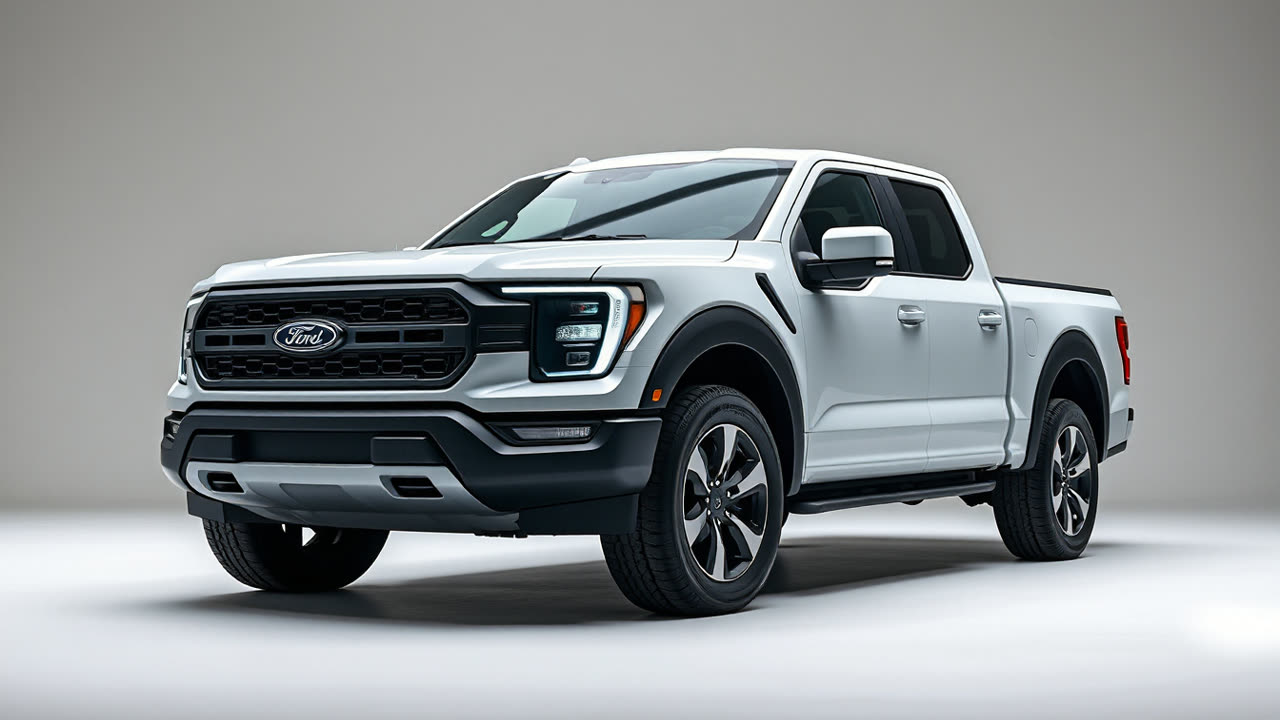
Ford's US electric vehicle (EV) sales plummeted by 80.2% in the third quarter of 2026, selling only 6,047 units, a stark contrast to the 30,612 EVs sold in Q3 2025 when buyers rushed to claim federal tax credits before their expiration. This dramatic decline, heavily influenced by a 97.1% drop in F-150 Lightning sales to just 289 units and a 72.4% decrease for the Mustang Mach-E, underscores a challenging period for Ford's current EV offerings. Against this backdrop, the impending arrival of the Ford Fathom midsize electric pickup in early 2027, with a projected starting price of $28,350 before destination charges, represents a critical strategic pivot for the automaker.
This precipitous drop in EV sales is more than a quarterly blip; it signals a significant shift in the broader EV market, moving past early adopters to a more cost-conscious consumer base. The expiration of the $7,500 federal EV tax credit in September 2025 undoubtedly played a major role in the Q3 2026 slump for Ford and other manufacturers, as evidenced by a similar 31% decline in Tesla's US sales and a 92% plunge for GM's Chevy Equinox EV in the same period. Consumers are now weighing factors beyond environmental benefits, prioritizing affordability, charging infrastructure, and practical range, areas where existing EV models often fall short for mainstream buyers. Ford's overall US sales in Q3 2026 also fell by 6.6% to 509,764 vehicles, though sales of its traditional F-Series pickups, excluding the Lightning, rose by 2.4%, and hybrid sales, particularly the Maverick Hybrid, saw a record 59.6% increase to 27,793 units. This suggests that while electrification is still a goal, the market is currently favoring more established or hybridized options.
The Fathom, built on Ford's new Universal Electric Vehicle (UEV) Platform, aims to directly address the market's demand for more affordable and practical EVs. Its targeted price point of under $30,000, including the $1,595 destination fee, positions it to compete not just with other electric pickups, but also with entry-level gasoline and hybrid trucks like the Ford Maverick, which starts at just under $30,000. This pricing strategy is a direct response to the market's resistance to premium-priced EVs, a lesson painfully learned from the F-150 Lightning's sales performance and the overall slowdown in EV adoption. Ford CEO Jim Farley has openly acknowledged the "heck of an effort" required to launch the Fathom at scale, cost, and on time, recognizing the intense competition from Chinese automakers like BYD, which possess a significant cost advantage in battery production.
Comparing the Fathom to its predecessors and rivals highlights its strategic significance. The F-150 Lightning, while innovative, carried a higher price tag ranging from $47,000 to nearly $100,000, limiting its market reach. The Fathom, conversely, is designed as a midsize, four-door electric pickup, offering more passenger volume than a Toyota RAV4, a frunk, a bed, and features like BlueCruise capability and bi-directional charging. Its use of prismatic Lithium Iron Phosphate (LFP) batteries as a structural floor is a key innovation, promising lower costs, enhanced safety, and a longer cycle life. While specific range and towing figures are yet to be fully disclosed, Ford aims for acceleration comparable to a Mustang EcoBoost, suggesting a focus on performance beyond mere utility.
In the nascent affordable EV truck segment, the Fathom will face competition from vehicles like the Slate Truck, which boasts an even lower starting price of $24,950. However, the Slate is a more bare-bones, customizable platform, initially offered without paint, targeting a different demographic of DIY enthusiasts. The Fathom, by contrast, aims to deliver a more complete, feature-rich vehicle from an established automaker, potentially offering a standard range of around 300 miles, significantly more than Slate's estimated 205 miles.
The outlook for Ford's EV division hinges significantly on the Fathom's success. Ford aims to sell 100,000 Fathoms in its first year, an ambitious target that only Tesla has achieved for a single EV model in the US. This ambition is coupled with Ford's broader strategy to diversify its electrified offerings, including a renewed focus on hybrids and extended-range electric vehicles (EREVs), which Jim Farley believes better reflects current consumer demand. The UEV platform itself is slated to underpin a range of future affordable electric vehicles, from commercial vans to SUVs, demonstrating Ford's long-term commitment to electrification, albeit with a refined, cost-conscious approach. The Fathom represents not just a new product, but a test of Ford's ability to adapt to a maturing EV market, delivering on the promise of affordable, practical electric transportation that can genuinely compete with internal combustion vehicles on price and utility. Its successful launch could revitalize Ford's EV sales and provide a much-needed blueprint for legacy automakers navigating the complex transition to an electric future.