Framework Laptop 13 BIOS Update Bricks Numerous AMD Ryzen 7040-Series Devices
A critical BIOS update (version 3.20) for Framework Laptop 13 owners with AMD Ryzen 7040-series mainboards has rendered many devices inoperable, posing a significant challenge to the company's core principles of modularity and user repairability.
✨ This content was summarized and interpreted by AI; it may contain errors — please verify accuracy with the original sources. Learn more
Listen to this story
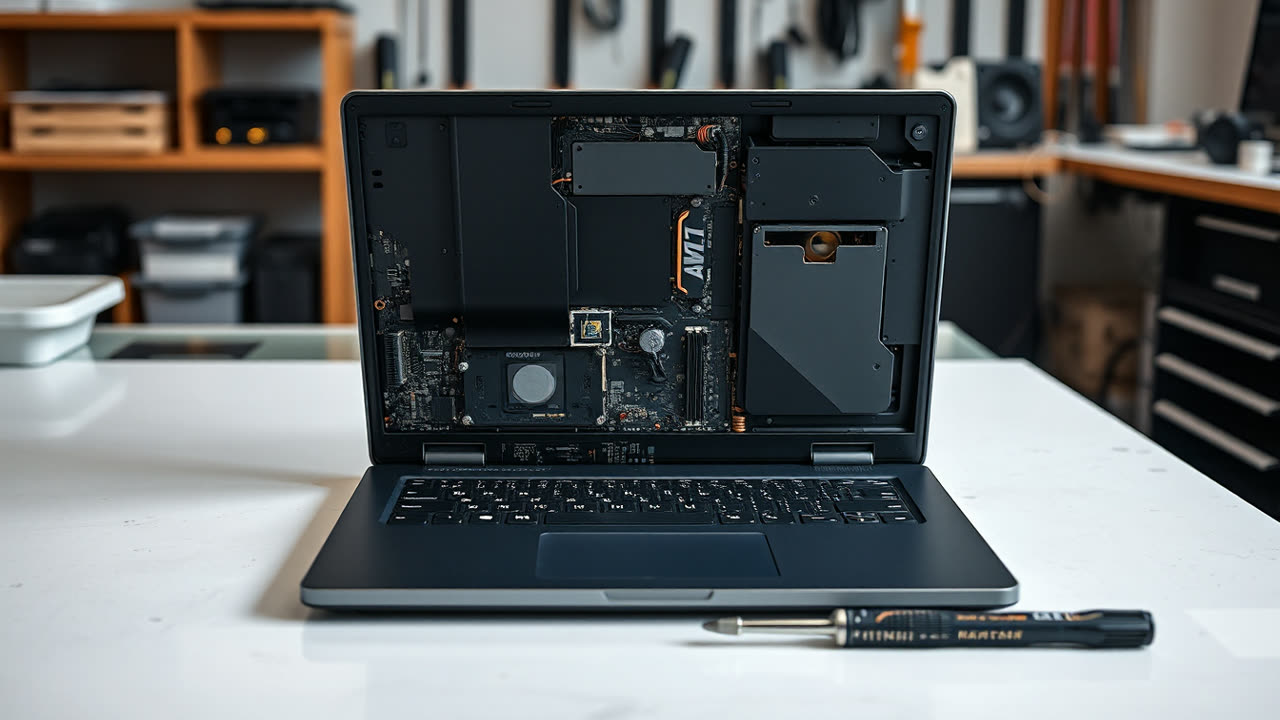
A recent BIOS update, version 3.20, for Framework Laptop 13 owners utilizing last-generation AMD Ryzen 7040-series mainboards, has led to a critical issue, effectively bricking numerous devices on both Windows and Linux operating systems. This incident represents a significant challenge for Framework, a company built on the foundational principles of modularity, repairability, and user empowerment, as it directly undermines the trust users place in their ability to maintain and upgrade their own hardware. The update, intended to improve system stability and performance, instead rendered machines inoperable, prompting an immediate response from Framework to address the widespread failures.
This widespread bricking event carries substantial implications for Framework’s reputation and the broader right-to-repair movement it champions. For users, the immediate impact is a non-functional laptop, necessitating a potentially lengthy and inconvenient repair or replacement process. While Framework has stated it is addressing the issue and covering affected mainboards under warranty, the experience itself erodes confidence in the promise of user-upgradable components. The very act of applying a manufacturer-provided update, typically a routine procedure, becoming a point of failure for a system designed for user intervention creates a stark paradox. This situation forces users to question the inherent risks associated with exercising the very control Framework promotes, potentially leading to increased caution or hesitation regarding future updates and hardware modifications.
Analytically, this incident underscores the complex tightrope walk Framework navigates. Unlike traditional OEMs that often seal off their devices and control the entire repair ecosystem, Framework invites users into the hardware lifecycle. This philosophy, while empowering, also means that software updates, particularly those interacting directly with firmware like the BIOS, carry magnified risks when coupled with user-swappable components and diverse user configurations. The Ryzen 7040-series mainboards, part of Framework's commitment to offering current-generation performance, represent a core component of these user-upgradable systems. A critical failure at this level, stemming from an official update, highlights the rigorous testing and validation required not just for new hardware, but for every subsequent software release in an open, modular ecosystem. This challenge is magnified when considering the variety of user-installed RAM, storage, and operating systems that Framework laptops support, each potentially introducing variables that standard OEM testing might overlook in more closed environments.
In comparison to rivals, Framework’s commitment to repairability stands in stark contrast to industry giants like Apple, which has historically made user repairs exceedingly difficult, or even Dell and HP, whose consumer-grade laptops often feature soldered components and proprietary designs. Framework's Laptop 13, for instance, boasts easily replaceable components, from the screen to the keyboard and even the mainboard, a design choice lauded by tech enthusiasts and environmental advocates alike. However, this incident reveals a unique vulnerability inherent in this model: when a core software update goes awry, the very flexibility that defines Framework can become a source of frustration. Previous generations of Framework laptops, while not immune to software glitches, have largely maintained a strong reputation for reliability in the context of user upgrades. This BIOS issue, specifically targeting a newer generation of AMD mainboards, suggests potential complexities in firmware development for increasingly sophisticated silicon and the challenges of ensuring seamless compatibility across a user-configurable platform.
Looking ahead, Framework’s response to this crisis will be critical in shaping its future trajectory. Beyond simply replacing bricked mainboards, the company must transparently communicate the root cause of the BIOS failure and outline enhanced validation processes to prevent recurrence. This might involve more stringent beta testing programs, clearer warnings about update procedures, or even implementing failsafe mechanisms within the BIOS update process itself to recover from critical errors. For the industry, this event serves as a cautionary tale: while the demand for repairable and sustainable electronics grows, the technical hurdles of ensuring robust software and firmware in an open hardware ecosystem remain significant. Framework's ongoing success hinges not just on its innovative hardware design, but on its ability to build and maintain user trust through impeccable software delivery, proving that user empowerment does not have to come at the cost of reliability. This incident, while damaging, offers a crucial opportunity for Framework to refine its practices and further solidify its position as a leader in truly user-centric computing, provided it can learn from this setback and reassure its dedicated community.