Framework Laptop 13 Gets Major Entry-Level Upgrade with Intel Core Series 3 Processors
Framework's most affordable Laptop 13 now features Intel's new Core Series 3 chips, delivering a significant performance and efficiency boost while reinforcing its commitment to repairability and longevity.
✨ This content was summarized and interpreted by AI; it may contain errors — please verify accuracy with the original sources. Learn more
Listen to this story
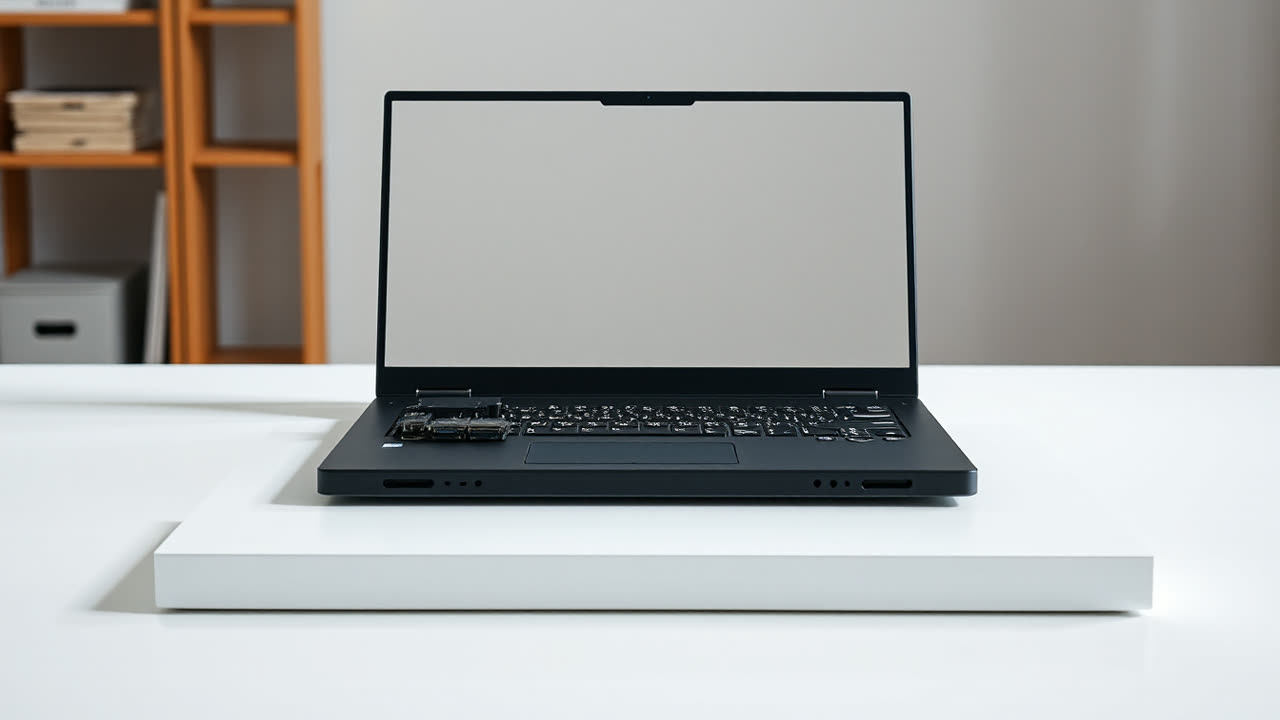
The Framework Laptop 13, in its most accessible configuration, has significantly enhanced its entry-level offering by integrating Intel's new Core Series 3 processors, alongside other crucial hardware refinements, marking a substantial performance and efficiency uplift for its most budget-conscious users. This strategic upgrade directly reinforces Framework's foundational commitment to longevity and user empowerment, pushing the boundaries of what consumers can expect from an affordable, repairable notebook.
The transition to Intel's Core Series 3 chips represents more than a mere incremental update; it signifies a leap to a more modern and efficient architecture, likely from the Lunar Lake generation, replacing older Core i3 or even Core i5 equivalents. While specific benchmarks against its direct predecessors are still emerging, early indicators for Core Series 3 processors suggest notable improvements in single-core and multi-core performance, alongside enhanced integrated graphics capabilities, making tasks from everyday browsing to light content creation considerably smoother. This translates to a tangible benefit for users, offering a more responsive experience without a significant price hike, aligning with Framework's ethos of making high-quality, sustainable technology accessible. The upgrade extends beyond the CPU, encompassing improvements in memory speeds, storage options, and potentially Wi-Fi standards, ensuring a holistic boost to the laptop's overall responsiveness and future-proofing. The base configuration of the Framework Laptop 13, now equipped with these advancements, starts at approximately $849, maintaining a competitive edge while delivering superior internal components.
This move is critical for Framework, a company that has carved out a unique niche in the increasingly disposable tech market by championing modularity, repairability, and upgradeability. By offering a robust entry-level option, Framework expands its appeal to a broader demographic, including students, home users, and small businesses, who might otherwise opt for less sustainable, sealed-unit laptops. The ability to upgrade core components like the motherboard, which now houses the new Core Series 3 processor, without replacing the entire chassis, fundamentally challenges the industry's planned obsolescence model. Users can extend the lifespan of their device for years, reducing electronic waste and the environmental footprint associated with frequent hardware refreshes. This user-centric approach not only fosters a deeper connection between the consumer and their device but also cultivates a community of enthusiasts who value the freedom to tinker and repair.
In comparison to rivals, Framework's unique selling proposition remains its unparalleled modularity. Mainstream manufacturers like Dell, HP, and Apple continue to produce highly integrated laptops where component replacement is either impossible or prohibitively expensive, often requiring specialized tools and expertise. While some competitors offer limited upgrade paths for RAM or storage, none match Framework's comprehensive ecosystem of swappable ports, screens, keyboards, and now, even entire mainboards. For instance, the latest MacBook Air M3, while powerful, offers no user-serviceable components beyond its external shell, a stark contrast to Framework's design philosophy. Even business-oriented laptops from Lenovo or HP, known for some degree of serviceability, fall short of Framework's commitment to providing readily available parts and detailed repair guides. The prior generation of Framework Laptops, typically featuring 12th or 13th Gen Intel Core processors, while still respectable, lacked the architectural efficiencies and integrated graphics prowess of the newer Core Series 3, making the current upgrade a significant generational leap in performance-per-watt.
Looking ahead, Framework's trajectory is poised to further disrupt the laptop market. The continued embrace of Intel's latest architectures, coupled with their ongoing development of expansion cards and third-party accessory support, suggests a future where users have unprecedented control over their computing experience. Expect to see further diversification in their offerings, potentially including more robust discrete graphics options via external modules or even fully open-source hardware components. The industry at large is slowly acknowledging the demand for more sustainable and repairable electronics, partly driven by Framework's success and evolving right-to-repair legislation globally. While mainstream brands are unlikely to fully adopt Framework's radical modularity overnight, the pressure to offer more serviceable products will undoubtedly intensify. Framework's strategic upgrades, particularly at the entry-level, underscore a future where high performance and environmental responsibility are not mutually exclusive, setting a precedent for a more sustainable and user-empowered tech landscape.