Garmin Fenix 9: Anticipating the Next Evolution in Premium Sport Smartwatches
The potential Garmin Fenix 9, a speculative successor to the unreleased Fenix 8, is poised to redefine the premium sport smartwatch market with transformative sensor technology, advanced health tracking, and enhanced smart features, pushing the boundaries of what a wrist-worn device can achieve.
✨ This content was summarized and interpreted by AI; it may contain errors — please verify accuracy with the original sources. Learn more
Listen to this story
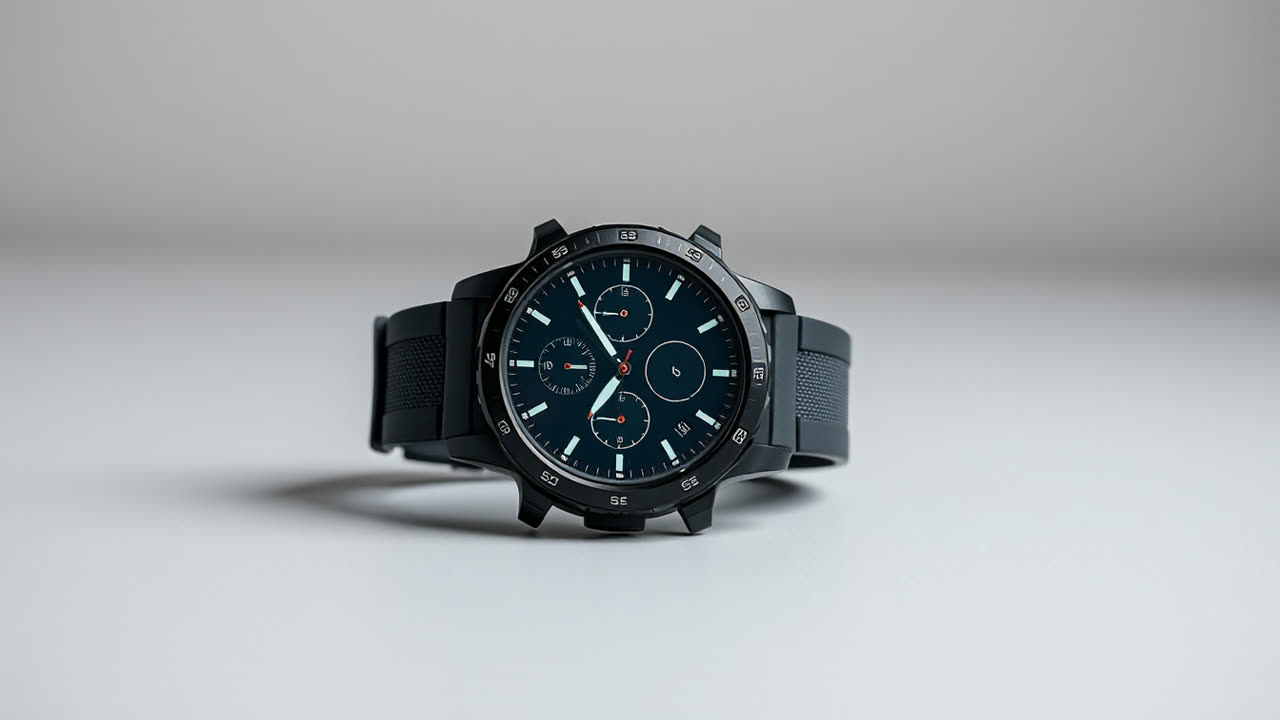
The Garmin Fenix 9, a hypothetical successor to the as-yet-unreleased Fenix 8, represents a critical juncture for the premium sport smartwatch market, where incremental advancements must justify ever-higher price points and consumer expectations for cutting-edge performance and comprehensive health tracking. While details on a Fenix 9 remain speculative, drawing insights from Garmin's established release patterns and technological trajectory, any future iteration would likely build upon the robust Fenix 7 series, which currently stands as the pinnacle of the brand's multi-sport offerings. The Fenix 7, launched in January 2022, introduced significant upgrades over its Fenix 6 predecessor, including a sapphire solar charging option, a responsive touchscreen complementing the traditional five-button interface, and enhanced multi-band GPS for superior accuracy, particularly in challenging environments. These advancements set a high bar, suggesting that a Fenix 9 would need to deliver genuinely transformative features to warrant an upgrade for Fenix 7 owners, rather than simply offering marginal improvements.
The core news, if a Fenix 9 were to materialize, would undoubtedly revolve around advancements in sensor technology and processing power. Garmin's Epix Pro (Gen 2), released in May 2023, provides a strong indicator of potential Fenix 9 features, incorporating an upgraded optical heart rate sensor, improved LED flashlight functionality, and new training metrics like Hill Score and Endurance Score. A Fenix 9 would almost certainly adopt or further refine these sensor improvements, potentially integrating more sophisticated blood pressure monitoring, non-invasive glucose tracking, or even advanced neurological health metrics, moving beyond the current standard of heart rate variability and sleep tracking. The "always-on" AMOLED display, a hallmark of the Epix Pro, would be a pivotal consideration for the Fenix line, balancing the Fenix's traditional transflective MIP display's superior battery life and outdoor visibility against the vibrant clarity and responsiveness of AMOLED. Should Garmin opt for AMOLED in a Fenix 9, it would represent a fundamental shift in the series' identity, potentially requiring significant battery efficiency gains to maintain its multi-week battery life advantage.
This matters profoundly for users and the industry. For users, the decision between a Fenix 7 and a hypothetical Fenix 9 would hinge on the real-world utility of these new features. Enhanced GPS accuracy, while valuable for extreme adventurers, might not justify a premium for casual athletes. However, genuinely innovative health monitoring, such as reliable continuous blood pressure tracking directly from the wrist, could be a game-changer, transforming the smartwatch from a training tool into a proactive health guardian. For the industry, Garmin's moves dictate the pace of innovation in the high-end sport smartwatch segment. Apple, with its Watch Ultra 2, offers a compelling rival, boasting a brighter display, advanced cellular capabilities, and deep integration with the iOS ecosystem, though its multi-day battery life still lags behind the Fenix series. Suunto and Coros also present formidable competition, often focusing on specific niches like ultra-running with exceptional battery life and robust navigation features. A Fenix 9 would need to either leapfrog these rivals in a key area or offer a more compelling all-around package to maintain its market leadership.
Compared to the Fenix 7, a Fenix 9 would likely push the boundaries of "smart" features beyond just sport tracking. We could anticipate deeper integration with smart home ecosystems, more advanced voice assistant capabilities, and potentially even satellite communication features akin to those found in specialized wilderness devices, offering emergency SOS functionality directly from the watch. The Fenix 7's current software, while feature-rich, still primarily focuses on fitness and navigation. A Fenix 9 could bridge the gap further between a dedicated sport instrument and a full-fledged wrist-worn computer, without sacrificing its core strengths of durability and battery longevity.
Looking ahead, the trajectory for premium sport smartwatches points towards increasing autonomy and personalized health insights. We can expect future Fenix models, including a potential Fenix 9, to feature even more advanced on-device AI for real-time coaching and predictive analytics, moving beyond static metrics to offer actionable advice tailored to individual physiological responses and training goals. Battery technology will continue to be a battleground, with solid-state batteries or more efficient solar harvesting potentially pushing battery life into months rather than weeks. Furthermore, the integration of micro-LED displays, offering the best of both MIP and AMOLED worlds (high brightness, low power consumption), could be a significant future upgrade. The competition will intensify, forcing Garmin to innovate not just in hardware, but also in its software ecosystem and third-party integrations, to maintain its loyal user base and attract new customers in an increasingly crowded and sophisticated market. The Fenix 9, whenever it arrives, will be a testament to Garmin's ability to balance its rugged, performance-focused heritage with the ever-evolving demands of mainstream smart wearable technology.