Garmin Fenix 9 Redefines Outdoor Smartwatches with Dazzling OLED Display and 3,000 Nits Brightness
Garmin’s new Fenix 9 line dramatically elevates the premium outdoor smartwatch experience with the introduction of a vibrant OLED display, boasting a peak brightness of 3,000 nits – double that of its predecessor – fundamentally reshaping visibility and interaction in demanding environments.
✨ This content was summarized and interpreted by AI; it may contain errors — please verify accuracy with the original sources. Learn more
Listen to this story
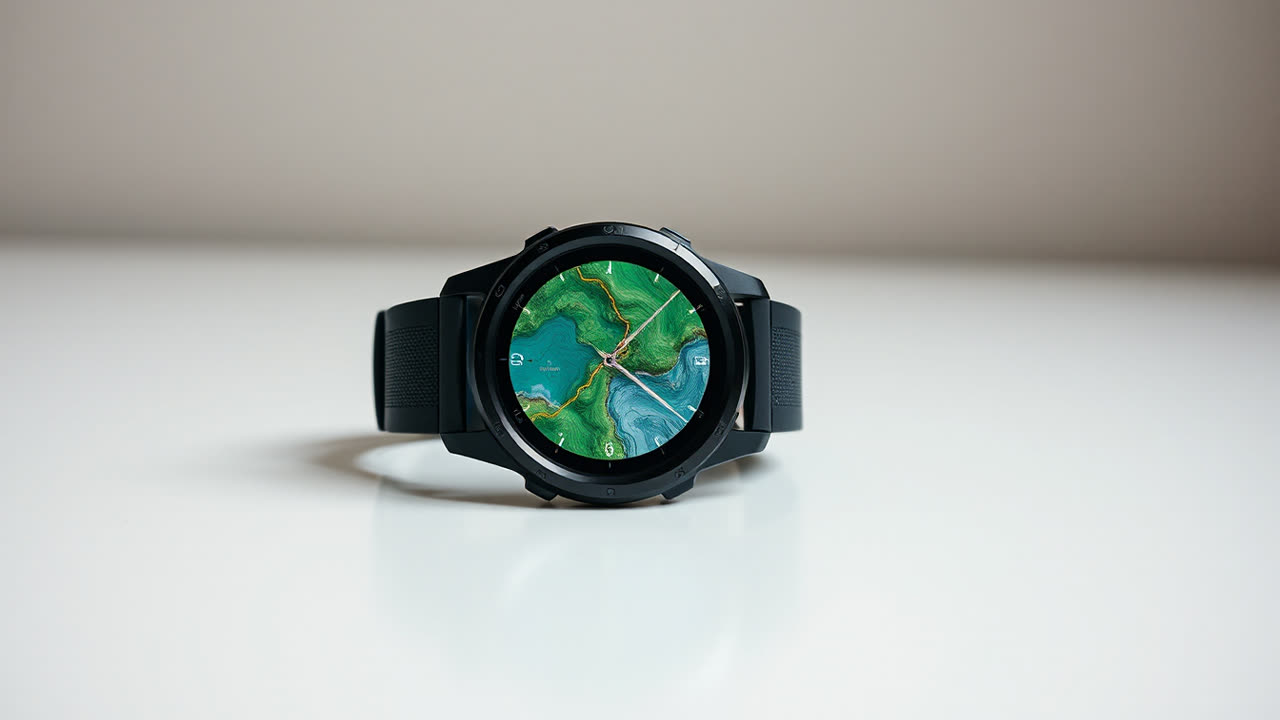
Garmin’s new Fenix 9 line dramatically elevates the premium outdoor smartwatch experience with the introduction of a vibrant OLED display, boasting a peak brightness of 3,000 nits – double that of its predecessor – fundamentally reshaping visibility and interaction in demanding environments. This significant upgrade, starting at $999.99 for the 43mm base model, marks a pivotal moment for Garmin, directly addressing a long-standing point of differentiation against consumer-grade smartwatches and setting a new benchmark for rugged, adventure-focused wearables. Beyond the striking screen, the Fenix 9 series integrates smoother, more detailed map panning, enhanced GPS accuracy, and potentially improved sensor suites, all while navigating the inherent power demands of OLED technology.
The adoption of an OLED panel, a departure from Garmin's traditional transflective MIP (Memory-in-Pixel) displays, signifies a strategic pivot to meet evolving user expectations and competitive pressures. For users, the immediate impact is transformative: maps, performance metrics, and notifications are now rendered with unprecedented clarity, contrast, and color saturation, even under direct sunlight or in low-light conditions. This enhanced visual fidelity is critical for navigation, where precise map detail and quick glanceability can be paramount for safety and efficiency in remote areas. The smoother map panning further augments this, offering a more intuitive and less frustrating experience when exploring complex routes or dynamic terrain. This move also broadens the Fenix's appeal, making it a more compelling daily wearable without compromising its core rugged identity, potentially attracting users who previously opted for devices like the Apple Watch Ultra 2, which features a comparably bright 3,000-nit display.
Historically, Garmin prioritized battery life and outdoor visibility through MIP screens, which, while excellent in direct sunlight and incredibly power-efficient, offered muted colors and lacked the vibrant punch of OLED. The Fenix 7, for instance, relied on this transflective technology, providing exceptional multi-week battery life but with a less dynamic visual experience. The Fenix 9's transition to OLED, while potentially impacting absolute battery longevity compared to its MIP-equipped predecessors under specific conditions, indicates Garmin has achieved significant power efficiency improvements or developed advanced power management protocols to mitigate the OLED's higher energy consumption. This balancing act is crucial, as Fenix users demand both cutting-edge display technology and reliable multi-day or multi-week endurance for extended expeditions. Competitors like the Apple Watch Ultra 2, while offering a brilliant display and robust feature set, typically provide a maximum of 36 hours of normal use or up to 72 hours in low-power mode, a figure often dwarfed by Garmin's traditional offerings. High-end Suunto and Coros models, while also catering to adventurers, have largely stuck to MIP or similar low-power LCDs, making the Fenix 9's OLED a significant differentiator in the dedicated outdoor segment.
Beyond the display, the "smoother map panning" suggests not just a faster refresh rate enabled by OLED, but potentially a more powerful processor or optimized software architecture. This could translate to quicker route calculations, more responsive UI interactions, and improved handling of rich topographical data, further cementing the Fenix's status as a premier navigation tool. The continuous refinement of GPS accuracy, likely incorporating multi-band GNSS support, ensures precise location tracking even in challenging environments like urban canyons or dense forests, a critical advantage for serious adventurers.
Looking ahead, the Fenix 9's OLED integration signals a broader trend in premium rugged wearables: the convergence of extreme durability and high-end consumer technology. Garmin is clearly positioning itself to compete not just within its traditional niche but also more directly with general-purpose smartwatches that have begun to embrace rugged designs. This move could force rivals like Suunto and Coros to accelerate their own display technology roadmaps or risk falling behind in visual appeal and user experience. We can anticipate future iterations exploring even more sophisticated sensor arrays, perhaps integrating non-invasive health monitoring beyond current heart rate and blood oxygen, and further leveraging AI for personalized training insights and adaptive navigation. Enhanced satellite connectivity, potentially moving towards direct-to-device messaging capabilities akin to emergency SOS features, also represents a logical next step for devices designed for ultimate outdoor reliability. The Fenix 9's brilliant display and refined mapping capabilities are not merely incremental upgrades; they are foundational shifts that will redefine expectations for what a top-tier adventure smartwatch can and should be.