Geekom Admits Shipping Malware-Laced Drivers on AMD Mini PCs
Mini PC manufacturer Geekom confirmed it inadvertently shipped network drivers infected with a Trojan downloader on several AMD-based systems, prompting an urgent recall and remediation guidance.
✨ This content was summarized and interpreted by AI; it may contain errors — please verify accuracy with the original sources. Learn more
Listen to this story
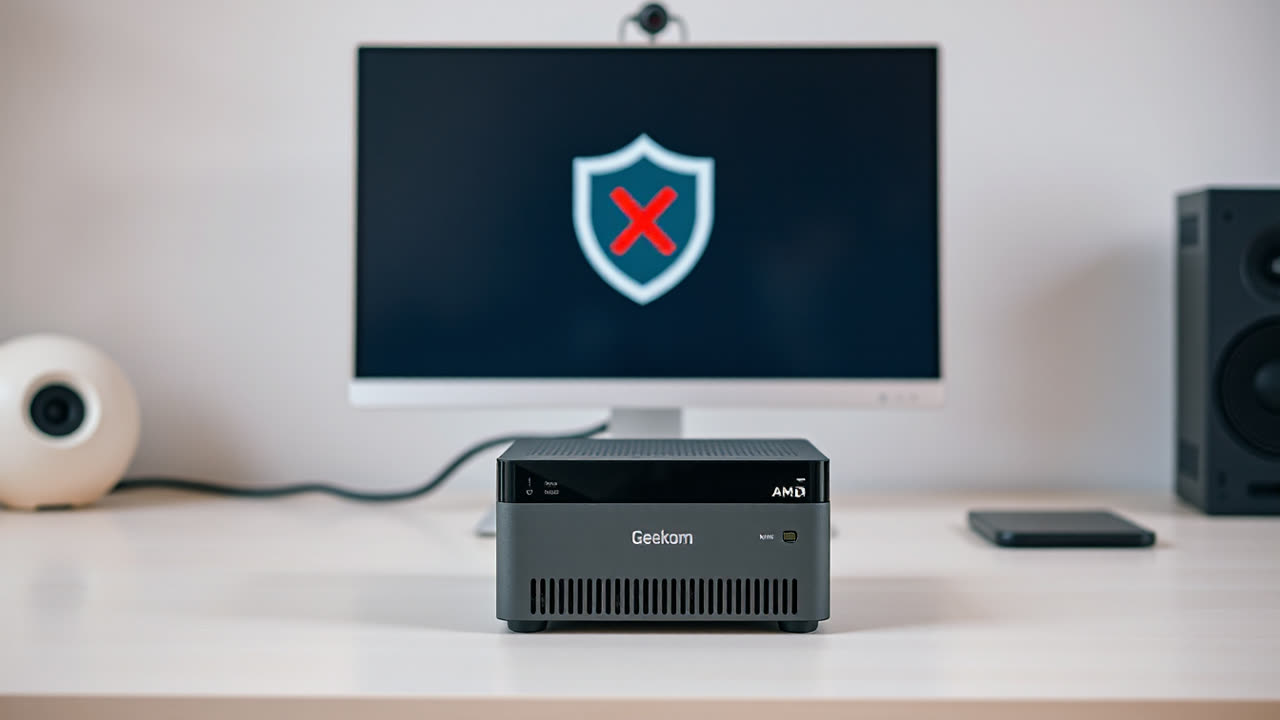
Geekom, a prominent manufacturer of mini PCs, recently admitted to inadvertently shipping network drivers infected with malware on its AMD-based systems, a revelation that sent immediate ripples through the tech community and underscored the persistent vulnerabilities in the software supply chain. The company's admission, following a report by Tom's Hardware, detailed the presence of malicious packages within driver bundles, prompting an urgent response including the removal of the compromised software and the issuance of user guidance for remediation. This incident, while swiftly addressed by Geekom, highlights a critical intersection of hardware manufacturing, software distribution, and cybersecurity, carrying significant implications for user trust and industry practices.
The core of the issue lay in specific network drivers distributed by Geekom for several of its AMD mini PC models, including the A8, A7, and A5 series. The malware, identified as "Driver Booster" by IObit, was not itself malicious, but the installation package contained a Trojan downloader (specifically, "Trojan.GenericKD.63584850" according to one analysis) that could subsequently fetch and install other unwanted programs or adware without user consent. This backdoor potential exposed users to a spectrum of risks, from performance degradation due to bloatware to more severe data breaches or system compromises if more potent malware were to be delivered. Geekom's initial response included requests to Tom's Hardware to take down its report, a move that only intensified scrutiny before the company publicly acknowledged the issue, removed the offending driver package from its support pages, and provided detailed instructions for users to identify and remove the malicious files.
The implications for users are immediate and severe. Customers who purchased affected Geekom mini PCs faced the necessity of actively scanning their systems, uninstalling potentially compromised drivers, and reinstalling clean versions—a process that demands a level of technical proficiency not all users possess. Beyond the immediate inconvenience, the incident erodes user trust in pre-installed software, a cornerstone of the out-of-box experience for many consumers. The expectation that a new device is secure from the moment it's unboxed is fundamental, and this breach directly violates that trust, forcing users to question the integrity of every component in their new system. The potential for identity theft, financial fraud, or broader network compromise, even if not directly materialized by the specific Trojan downloader in this instance, looms large as a consequence of such vulnerabilities.
For the industry, this event serves as a stark reminder of the ever-present threat of supply chain attacks, where malicious code is injected into legitimate software or hardware distribution channels. This is not an isolated incident; similar supply chain compromises have plagued various sectors, from the SolarWinds attack impacting government agencies and major corporations to numerous instances of pre-installed bloatware or adware on consumer devices. The Geekom situation underscores that even seemingly innocuous driver packages can become vectors for significant security threats. Manufacturers are increasingly reliant on third-party software components and automated build processes, creating numerous points of entry for attackers. The challenge lies in rigorously vetting every piece of software that enters the distribution pipeline, a task that becomes exponentially more complex with global supply chains and a multitude of suppliers. This incident will likely spur greater attention to software signing, secure development lifecycles, and more stringent auditing of third-party code integration across the mini PC and broader hardware manufacturing sectors.
Compared to rivals, Geekom's incident places a spotlight on the varying levels of security scrutiny applied by different manufacturers. While major players like Dell, HP, or Lenovo also face constant threats, their established security protocols and larger engineering teams often allow for more robust internal vetting processes and faster, more transparent incident response. Smaller, rapidly growing companies like Geekom, while innovative, may sometimes struggle to match the security infrastructure of larger entities, making them potentially more vulnerable to such compromises. The industry standard for driver distribution typically involves cryptographically signed drivers from trusted sources, often directly from component manufacturers (like AMD or Intel) or thoroughly vetted by the PC vendor. The fact that a compromised package made it through Geekom's distribution channels suggests a lapse in these crucial security checks.
Looking ahead, the Geekom incident will undoubtedly prompt a re-evaluation of security practices within the mini PC segment and potentially across the broader hardware industry. We can anticipate increased pressure from consumers and potentially regulatory bodies for greater transparency regarding software sourcing and more rigorous security audits of driver packages. Manufacturers may invest more heavily in automated security scanning tools, expand their in-house cybersecurity teams, and implement stricter vendor management protocols to ensure the integrity of all third-party software. For Geekom specifically, regaining consumer trust will be paramount, requiring not only continued transparency and robust remediation efforts but also a demonstrable long-term commitment to enhancing their security posture. This event reinforces the critical role of independent security research and tech journalism in holding companies accountable and safeguarding users, pushing the industry towards a more secure, albeit perpetually challenged, future.