General Motors Quietly Reverses Course on Apple CarPlay and Android Auto for 2027 Cadillac Lyriq
General Motors is quietly reversing its controversial decision to eliminate Apple CarPlay and Android Auto, with the 2027 Cadillac Lyriq notably retaining wireless phone-mirroring capabilities.
✨ This content was summarized and interpreted by AI; it may contain errors — please verify accuracy with the original sources. Learn more
Listen to this story
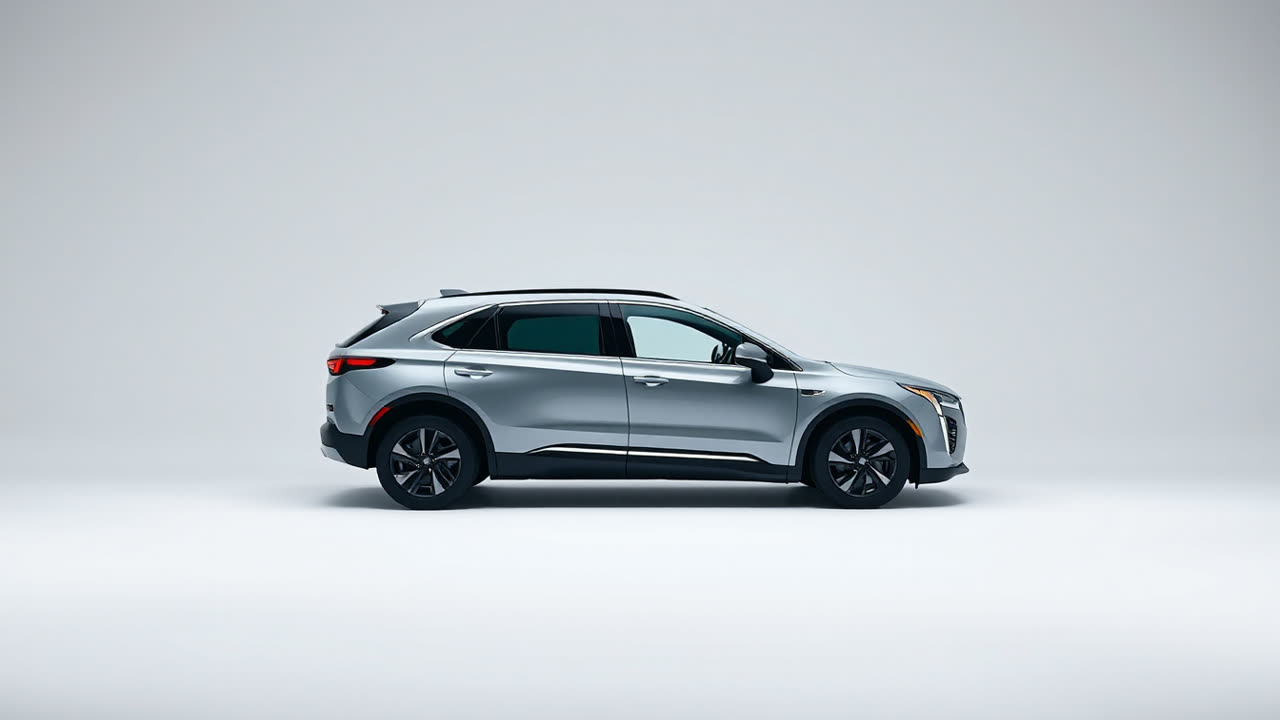
General Motors is quietly reversing its controversial decision to eliminate Apple CarPlay and Android Auto across its entire vehicle lineup, with the 2027 Cadillac Lyriq notably retaining wireless phone-mirroring capabilities despite earlier announcements of a complete phase-out. This exception signals a potential strategic recalibration by GM, which had previously committed to removing these popular smartphone integration systems from new electric vehicles starting in 2024, expanding to all models by 2028 with the launch of its centralized computing platform in the Cadillac Escalade IQ.
GM's initial rationale for abandoning CarPlay and Android Auto centered on enhancing driver safety by reducing distractions and delivering a more integrated, seamless in-car experience through its proprietary infotainment system, built on Android Automotive OS with Google Built-in and underpinned by its Ultifi software platform. However, a more significant, underlying motivation was the desire to gain greater control over in-vehicle data and unlock new, recurring revenue streams through subscription services, following the model pioneered by Tesla. GM projected annual revenue from software and services could reach $20 billion to $25 billion by the end of the decade, with 11 million OnStar subscribers and 500,000 Super Cruise customers already contributing to nearly $5 billion in deferred revenue as of Q3 2025. The company aimed to monetize features like navigation, entertainment, and remote vehicle controls, which consumers typically access free via CarPlay or Android Auto.
The decision to retain phone mirroring in the 2027 Lyriq, a luxury electric SUV with a starting MSRP around $61,195, is particularly telling given that other new GM EVs, such as the 2024 Chevrolet Blazer EV and Equinox EV, have already shipped without CarPlay or Android Auto. This move suggests GM may be responding to strong consumer backlash and market realities. Surveys consistently show high demand for smartphone integration, with approximately 94% of new vehicles sold in the U.S. in 2026 shipping with CarPlay support, and 40% of Americans having either CarPlay or Android Auto in their primary vehicle by 2025, up from 26% in 2023. Crucially, 83% of those with access actively use these platforms. A study by American Trucks found that 55% of drivers consider the absence of CarPlay a "deal-breaker" for a new vehicle purchase.
This widespread preference directly challenges GM's "dependency strategy" of forcing customers onto its native system. While GM's in-house Android Automotive OS with Google Built-in offers integrated Google Maps, Google Assistant, and the Google Play App Store, and can control vehicle functions, it still requires users to adapt to a new interface and potentially pay for services they once received via their smartphone. The perceived "clunkiness" of switching between native and phone-mirroring systems, cited by GM as a safety concern, appears to be outweighed by the familiarity and robust app ecosystems of Apple and Google.
Compared to rivals, GM's all-out removal of phone mirroring stood as a stark outlier. Many automakers, including Ford, Volvo, Polestar, and Renault, have adopted Android Automotive OS for their native systems but continue to offer CarPlay and Android Auto as options, recognizing consumer preference. Tesla, which has always relied on its proprietary system, is reportedly even developing wireless CarPlay support, indicating a potential industry shift back towards accommodating smartphone integration. This suggests that even companies with strong in-house software capabilities are acknowledging the market's insistence on phone mirroring.
The Lyriq's exception could be a trial balloon, or perhaps a concession driven by Cadillac's luxury segment, where customer expectations for seamless technology and choice are particularly high. The quiet nature of this reinstatement, with Cadillac stating it is "continuing to evolve its infotainment strategy across the EV portfolio, based on customer feedback," suggests a cautious retreat rather than a full reversal.
Looking ahead, GM's partial backtrack on CarPlay and Android Auto in the 2027 Lyriq may foreshadow a broader reevaluation of its infotainment strategy. The company is investing heavily in its software-defined vehicle architecture, which includes integrating Google Gemini AI by 2026 and rolling out a new centralized computing platform across all vehicles starting with the 2028 Cadillac Escalade IQ. This sophisticated architecture aims to deliver frequent over-the-air updates, personalized experiences, and new subscription offerings. However, the success of this strategy hinges on its ability to offer a user experience that genuinely surpasses the convenience and familiarity of smartphone integration, a challenge that has historically proven difficult for automakers. If consumer demand for CarPlay and Android Auto remains as strong as current trends suggest, GM may find itself in a protracted battle for the digital dashboard, potentially alienating a significant portion of its customer base if it doesn't offer a truly compelling alternative or, ultimately, reintegrate phone mirroring across its entire fleet. The Lyriq's quiet concession might just be the first crack in GM's ambitious, but risky, software-first wall.