Gigabyte GPU Prices Soar 20-40% in Asia, Signaling Broader Market Turmoil
Japanese distributor CFD Sales has announced a substantial 20% to 40% price increase on Gigabyte graphics card orders for Asian markets, effective this month, threatening to further strain an already volatile hardware landscape.
✨ This content was summarized and interpreted by AI; it may contain errors — please verify accuracy with the original sources. Learn more
Listen to this story
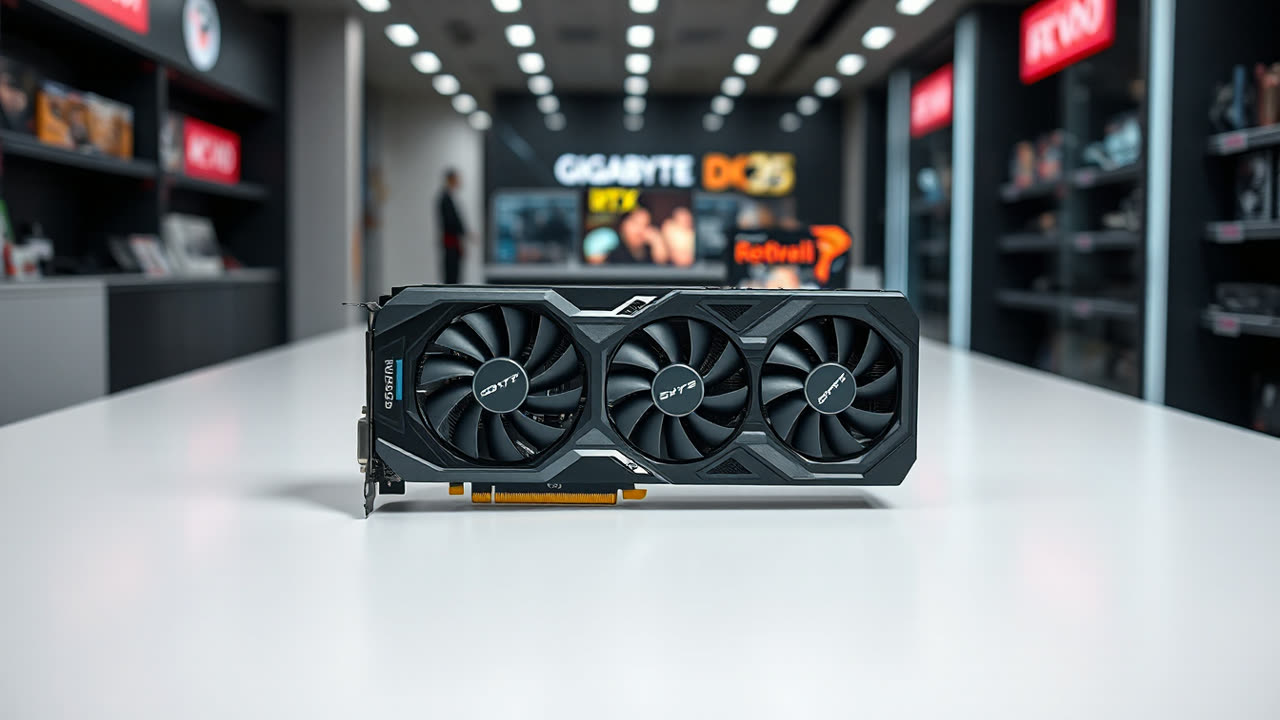
A new wave of GPU price hikes is set to impact Asian markets, with Japanese distributor CFD Sales signaling a substantial 20% to 40% increase on Gigabyte graphics card orders commencing this month. This significant surge, confirmed by the technology supplier, threatens to further strain a market already grappling with fluctuating component costs and evolving demand dynamics.
This isn't merely a localized adjustment; it signals a potential broader trend that could ripple across the global GPU landscape. For users, particularly PC gamers and professionals reliant on high-performance graphics, this means a steeper entry barrier to the latest hardware. A 20-40% increase on top of already premium pricing for current-generation cards like the RTX 40-series or RX 7000-series could push flagship models well into the four-figure range, making upgrades prohibitively expensive for many. Historically, such price escalations have led to prolonged upgrade cycles for consumers, increased demand for second-hand markets, or a shift towards console gaming and cloud streaming alternatives.
The underlying reasons for this specific hike are multifaceted, though distributors often cite rising production costs, currency fluctuations, and logistical challenges. While the crypto mining boom of past years, a significant driver of previous price volatility, has largely subsided, new demand vectors have emerged. The burgeoning fields of AI and machine learning are increasingly voracious consumers of high-end GPUs, diverting supply and driving up prices for models suitable for compute-intensive tasks. This new, enterprise-level demand often overshadows consumer market needs, as AI accelerators command even higher profit margins for manufacturers.
Compared to previous generations, the current GPU market has seen a complex interplay of factors. The initial launch of the RTX 40-series and RX 7000-series in late 2022 and early 2023 saw a mix of high initial pricing and, in some segments, slower-than-anticipated consumer adoption due to economic headwinds. However, as manufacturing processes mature and inventory stabilizes, price adjustments typically trend downwards or remain stable. This announced hike bucks that trend, suggesting specific pressures on Gigabyte's supply chain or strategic pricing decisions in the Asian market. Rival manufacturers like ASUS, MSI, and Zotac, while not directly impacted by CFD Sales' specific announcement, will be closely monitoring this development. Should Gigabyte's prices rise significantly, competitors might find opportunities to gain market share if they can maintain current pricing, or they might follow suit with their own adjustments if they face similar cost pressures.
The industry impact extends beyond mere pricing. It could compel manufacturers to re-evaluate their regional pricing strategies and supply chain resilience. A prolonged period of high GPU prices could also accelerate the adoption of integrated graphics solutions, particularly for mainstream users, and potentially boost the market for pre-built systems where manufacturers can absorb or subsidize GPU costs more effectively. Furthermore, the rise of AI-specific hardware, distinct from gaming GPUs, might see further acceleration, creating a clearer bifurcation in the market between consumer gaming/creator cards and professional AI accelerators.
Looking ahead, the outlook for GPU pricing remains turbulent. While the immediate focus is on Asia, global markets are interconnected. If these cost pressures on Gigabyte are indicative of broader issues affecting TSMC or Samsung's fabrication costs, or if geopolitical factors continue to disrupt logistics, similar price adjustments could materialize elsewhere. Consumers should brace for continued volatility, and potentially, a more pronounced tiered market where entry-level and mid-range GPUs become the battleground for affordability, while high-end cards increasingly cater to niche enthusiasts and the burgeoning AI sector. The era of consistently declining GPU prices with each generation may be definitively over, replaced by a more dynamic and less predictable pricing environment shaped by industrial demand as much as consumer desire.