GM Expands Ultium Charge 360 with Universal Plug and Charge and Bidirectional Charging
General Motors unveiled a significant expansion of its Ultium Charge 360 platform at its mid-June 2026 Empower event, introducing two pivotal advancements poised to dramatically simplify the electric vehicle charging experience for its brand owners: a new universal Plug and Charge capability and a comprehensive suite of smart home energy management tools, including bidirectional charging.
✨ This content was summarized and interpreted by AI; it may contain errors — please verify accuracy with the original sources. Learn more
Listen to this story
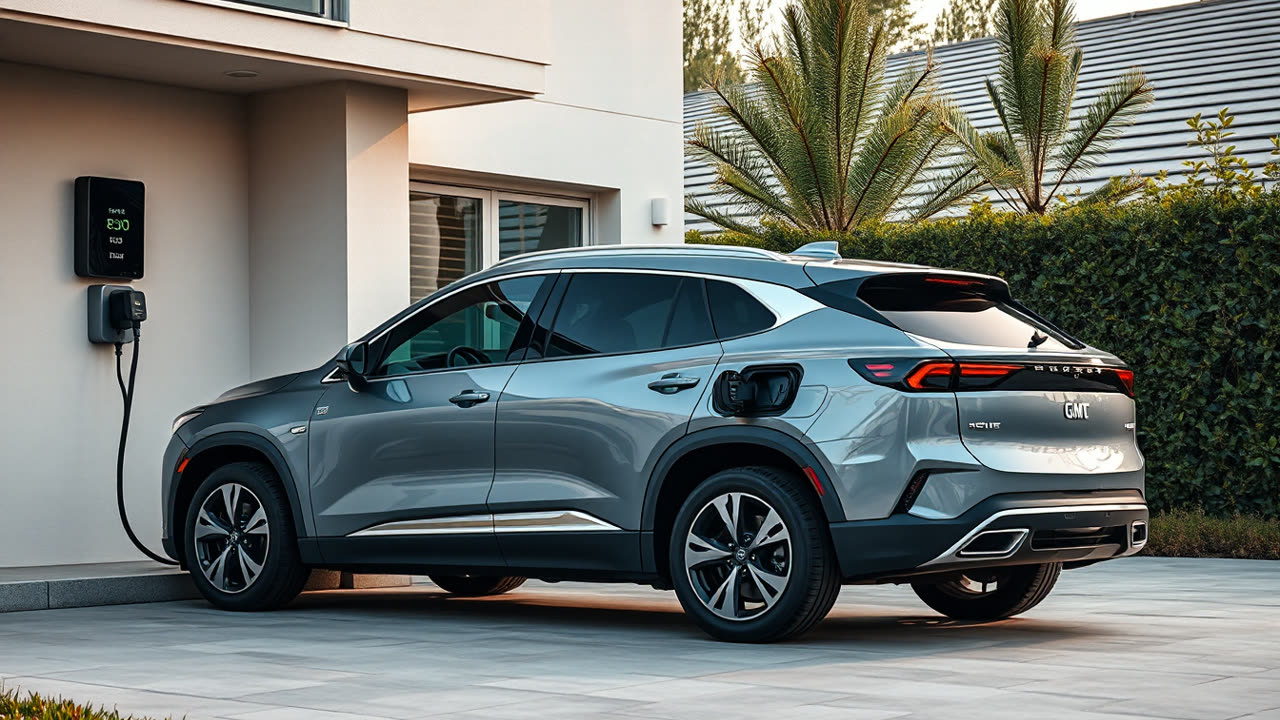
General Motors unveiled a significant expansion of its Ultium Charge 360 platform at its mid-June 2026 Empower event, introducing two pivotal advancements poised to dramatically simplify the electric vehicle charging experience for its brand owners: a new universal Plug and Charge capability and a comprehensive suite of smart home energy management tools, including bidirectional charging. These initiatives directly address the twin anxieties of public charging reliability and home energy optimization, traditionally significant barriers to broader EV adoption.
The newly implemented universal Plug and Charge functionality is a game-changer, eliminating the need for separate apps, RFID cards, or credit card transactions at compatible public charging stations. Drivers simply plug their GM EV into a charger, and the vehicle automatically authenticates, initiates the charge, and processes payment through a pre-registered account. This seamless interaction, powered by enhanced vehicle-to-charger communication protocols, extends beyond GM’s proprietary network to include a growing list of third-party charging providers, significantly broadening the frictionless charging ecosystem. Currently, this system is rolling out to over 15,000 DC fast chargers across the United States and Canada, with plans to expand to over 30,000 by the end of 2027. This move directly challenges the fragmented and often frustrating public charging landscape, where drivers frequently encounter incompatible payment systems or unreliable hardware. By standardizing the interaction, GM aims to instill confidence and reduce range anxiety, making EV ownership feel as straightforward as refueling a gasoline vehicle. For the industry, this sets a powerful precedent, pushing other manufacturers and charging network operators toward greater interoperability and user-centric design, ultimately accelerating the maturation of the entire EV infrastructure.
Equally impactful is GM’s integrated suite of smart home energy management tools, anchored by bidirectional charging capabilities. This allows GM EVs equipped with Ultium batteries, such as the upcoming Cadillac Escalade IQ and Chevrolet Silverado EV RST, to not only draw power from the grid but also to feed electricity back into a homeowner’s residence or even the wider grid. The system includes intelligent scheduling features that optimize charging based on electricity rates, carbon intensity, and household energy demand, allowing users to charge during off-peak hours when electricity is cheaper and cleaner, and discharge stored energy during peak times or power outages. GM has partnered with major energy providers and smart home technology companies to ensure broad compatibility and ease of installation, offering a range of certified home charging units and energy management hubs. This transforms the EV from merely a mode of transport into a dynamic energy asset, offering tangible financial benefits through reduced electricity bills and enhanced energy resilience. For users, the ability to power their homes during blackouts or leverage their vehicle battery to offset peak electricity costs represents a compelling value proposition, moving beyond environmental altruism to practical economic advantage. The broader industry implications are profound, as it positions EVs as critical components of future smart grids, facilitating renewable energy integration and grid stabilization.
Compared to previous generations, where EV charging often felt like a series of compromises and workarounds, these announcements represent a significant leap forward. Prior efforts focused primarily on increasing charging speed or expanding the physical footprint of charging stations. While crucial, they often overlooked the user experience at the point of interaction. Rivals have made strides in specific areas; for instance, Tesla's Supercharger network has long been lauded for its reliability and integrated payment, though it has historically been proprietary. GM’s strategy, however, aims for a broader, more open ecosystem while delivering a similar level of seamlessness. Other manufacturers are also exploring Plug and Charge and bidirectional capabilities, but GM’s comprehensive, dual-pronged approach, coupled with its aggressive rollout schedule, positions it as a leader in user-centric charging innovation. The prior generation of GM charging, while functional, relied more heavily on third-party apps and a less integrated approach, leading to a more fragmented user experience. The Ultium Charge 360 platform, with these new enhancements, consolidates and streamlines these interactions.
Looking ahead, these developments lay critical groundwork for the next phase of EV adoption and energy management. The universal Plug and Charge capability will likely become a baseline expectation for new EVs, pressuring competitors to accelerate their own interoperability efforts and forcing charging networks to upgrade their infrastructure. This could lead to a more consolidated and user-friendly public charging landscape within the next 3-5 years. The bidirectional charging and smart home integration, meanwhile, are foundational to the emerging vehicle-to-grid (V2G) and vehicle-to-home (V2H) ecosystems. As renewable energy sources like solar and wind become more prevalent, the ability of millions of EV batteries to store and dispatch energy will be crucial for grid stability and efficiency. GM's aggressive push here not only enhances its brand appeal but also positions it as a key player in the broader energy transition, potentially unlocking new revenue streams through energy services. The next steps will involve further expanding network compatibility, refining energy management algorithms for even greater efficiency, and driving down the cost of bidirectional hardware to make these advanced features accessible to a wider market. This vision of an EV that not only transports but also powers homes and stabilizes grids is rapidly moving from concept to mainstream reality, with GM leading the charge.