GM Halts Shipments, Recalls Cadillac Vistiq EVs Over Safety Defect
General Motors has halted shipments and issued a recall for nearly 15,000 Cadillac Vistiq electric SUVs due to a critical safety defect in their power-folding third-row seats that could trap passengers.
✨ This content was summarized and interpreted by AI; it may contain errors — please verify accuracy with the original sources. Learn more
Listen to this story
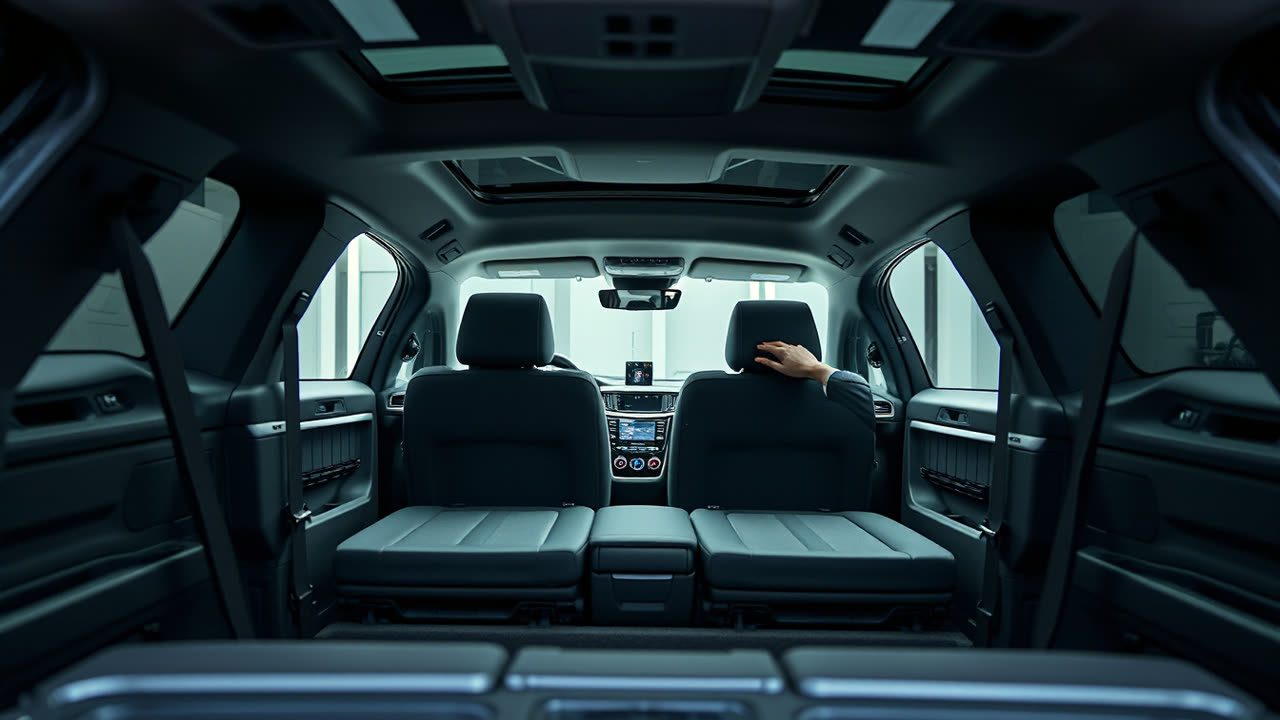
General Motors has abruptly halted shipments and initiated a recall for nearly 15,000 Cadillac Vistiq electric SUVs, encompassing both 2026 and 2027 model years, due to a critical safety defect in their power-folding third-row seats. The issue, which could potentially trap passengers, particularly children, mirrors a deadly problem that plagued Hyundai's Palisade.
The recall affects 14,540 Vistiq units, with 100% of the recalled population estimated to have the defect. According to documents filed with the National Highway Traffic Safety Administration (NHTSA) on July 1, the power third-row seats may malfunction, stopping when encountering an obstruction but failing to automatically reverse, thereby increasing the risk of injury from entrapment. GM's investigation was prompted in March 2026 by a similar recall from another manufacturer, widely believed to be Hyundai, after a two-year-old tragically died in a 2026 Palisade due to a power-folding seat issue. While GM reports six complaints related to the Vistiq defect, thankfully, no injuries have been reported in these incidents.
This significant recall casts a shadow over Cadillac's ambitious EV rollout, particularly for the Vistiq, an all-electric three-row luxury SUV positioned as a key offering between the Lyriq and Escalade IQ. Shipments of the 2027 Vistiq were halted on June 8, 2026, and a temporary fix involves dealers disabling the power-folding function until a permanent solution—a replacement module that automatically reverses upon sensing an obstruction—becomes available. Owner notification letters are slated for August 3, 2026. This incident underscores the immense pressure on automakers to not only innovate in the electric vehicle space but also to ensure rigorous, multi-layered safety and quality control, especially when critical components involve passenger well-being. The financial and reputational costs of such recalls can be substantial, demanding a renewed focus on flawless execution in the rapidly evolving EV market.