GM Launches Energy Pass, SpaceX Bets on Fossil Fuels, Tesla Roadster Delayed Again
General Motors introduces its new Energy Pass to simplify EV charging, while Elon Musk's SpaceX makes a surprising investment in fossil fuels, and the long-awaited Tesla Roadster faces yet another delay.
✨ This content was summarized and interpreted by AI; it may contain errors — please verify accuracy with the original sources. Learn more
Listen to this story
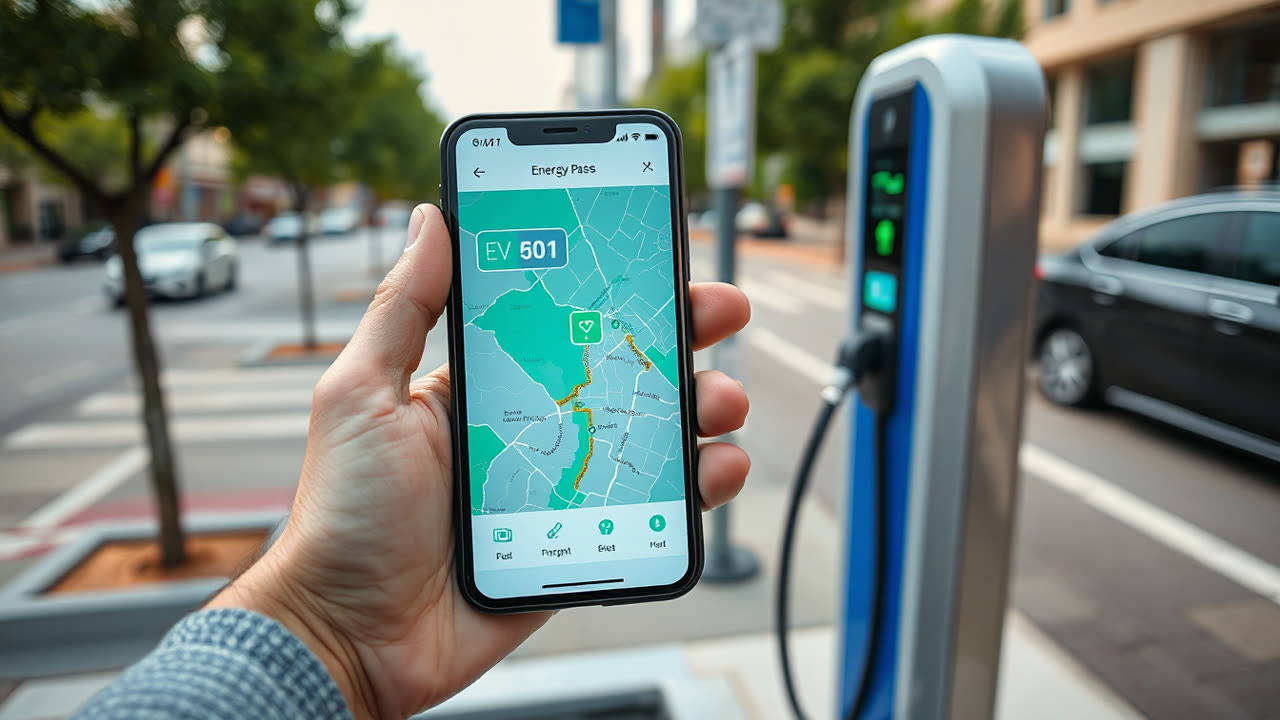
General Motors has launched its new Energy Pass, a unified charging solution designed to streamline the electric vehicle (EV) charging experience for its rapidly expanding fleet, a move poised to significantly alleviate range anxiety and simplify EV ownership. This initiative arrives as industry titans navigate complex energy landscapes, with Elon Musk's ventures making headlines for a surprising "big bet on fossil fuels" through SpaceX, while the perpetually delayed Tesla Roadster once again sees its promised arrival pushed further into the future.
The GM Energy Pass represents a critical strategic pivot, aiming to replicate the seamless, integrated charging ecosystem that has long been a key advantage for Tesla. By consolidating access to multiple charging networks under a single subscription or pay-as-you-go model, GM seeks to eliminate the frustrating proliferation of apps and accounts that currently plague non-Tesla EV drivers. Details emerging from its August 2026 rollout indicate partnerships with major charging providers like EVgo, ChargePoint, and Electrify America, promising a vast network accessible through the MyChevrolet, MyGMC, and MyCadillac apps. Users can locate available chargers, initiate sessions, and process payments directly, with some reports suggesting tiered subscription plans offering discounted rates for frequent users. This move is not merely about convenience; it's a foundational step towards making EVs a viable primary vehicle for a broader demographic, addressing a pain point that has deterred many prospective buyers from making the switch. The success of Energy Pass will hinge on the reliability of its integrated networks and the competitive pricing of its plans, potentially setting a new standard for OEM-led charging solutions and forcing rivals to accelerate their own efforts to unify the fractured public charging infrastructure.
In a stark contrast to the EV charging advancements, Elon Musk's SpaceX has reportedly doubled down on investments in energy infrastructure that heavily rely on fossil fuels, a development that has raised eyebrows given his public advocacy for sustainable energy. While specific project details remain somewhat opaque, industry analysts suggest this "bet" is primarily linked to the immense energy demands of producing rocket propellants for Starship's Raptor engines, which consume liquid methane and liquid oxygen. The synthesis of methane, particularly on the scale required for frequent Starship launches, is an energy-intensive process that, in many current industrial settings, still relies on natural gas feedstock or electricity generated from fossil sources. This strategic decision, while seemingly pragmatic for accelerating space exploration, presents a complex ethical dilemma for a figure synonymous with renewable energy and electric vehicles. It highlights the often-unseen energy underpinnings of advanced technological endeavors and raises questions about the true carbon footprint of projects aiming for interplanetary travel. While the immediate impact on the consumer EV market is indirect, it underscores the systemic challenges of transitioning to a fully green economy, even for companies led by environmental champions.
Meanwhile, the highly anticipated second-generation Tesla Roadster continues its saga of delays, with the latest pronouncement from Musk indicating it will arrive "real soon," nearly a decade after its initial unveiling. Originally promised for 2020, the Roadster's launch has been pushed back repeatedly, citing production complexities, supply chain issues, and a focus on higher-volume vehicles like the Cybertruck. The current specifications remain breathtaking: 0-60 mph in 1.9 seconds, a top speed over 250 mph, and a 620-mile range, with a starting price expected around $200,000. However, these figures, while still impressive, are now being challenged by emerging hyper-EVs from established luxury brands and nimble startups. The repeated delays risk eroding consumer confidence and transforming what was once a groundbreaking announcement into a running joke within the automotive community. While Tesla's brand loyalty is robust, the Roadster's prolonged absence allows competitors to close the performance gap and potentially steal some of its thunder with their own cutting-edge electric supercars.
Even with these delays, the Tesla brand continues to command significant attention, as evidenced by recent comments from automotive icon Jay Leno. Speaking on an episode of "Quick Charge," Leno reiterated his long-standing admiration for Tesla's engineering and performance, particularly highlighting the instantaneous torque and the surprisingly low maintenance costs of his own Tesla vehicles. His endorsement, coming from a connoisseur of both classic and cutting-edge automobiles, lends credibility to Tesla's technological prowess, especially in an era where traditionalists are slowly warming to EVs. Leno's perspective often resonates with a broader audience, bridging the gap between performance enthusiasts and mainstream consumers, subtly reinforcing Tesla's position despite its production challenges and the broader industry's evolving landscape.
The immediate future points to a bifurcated path for the auto and energy sectors. GM's Energy Pass, if executed flawlessly, could become a blueprint for how legacy automakers tackle the fragmented charging infrastructure, potentially accelerating mainstream EV adoption by demystifying the charging process. This will force competitors to either join similar aggregator models or significantly invest in their proprietary networks. SpaceX's fossil fuel reliance, though seemingly counterintuitive, highlights the immense energy requirements of future-forward technologies and may spark further debate on the true sustainability of ambitious space exploration goals. For Tesla, the Roadster's eventual arrival, whenever it may be, will be scrutinized not just for its performance, but also for its ability to rekindle the initial excitement and prove that the company can deliver on its most audacious promises amidst increasing competition. The coming years will reveal whether integrated convenience or raw, albeit delayed, power will ultimately define the next era of personal and interplanetary transport.