GM's Starlight L PHEV SUV: A Strategic Pivot for North America
General Motors' new six-passenger Starlight L PHEV SUV, launched in China with an impressive 260 km all-electric range and a sub-$20,000 price, signals a major global electrification strategy shift and a likely North American debut.
✨ This content was summarized and interpreted by AI; it may contain errors — please verify accuracy with the original sources. Learn more
Listen to this story
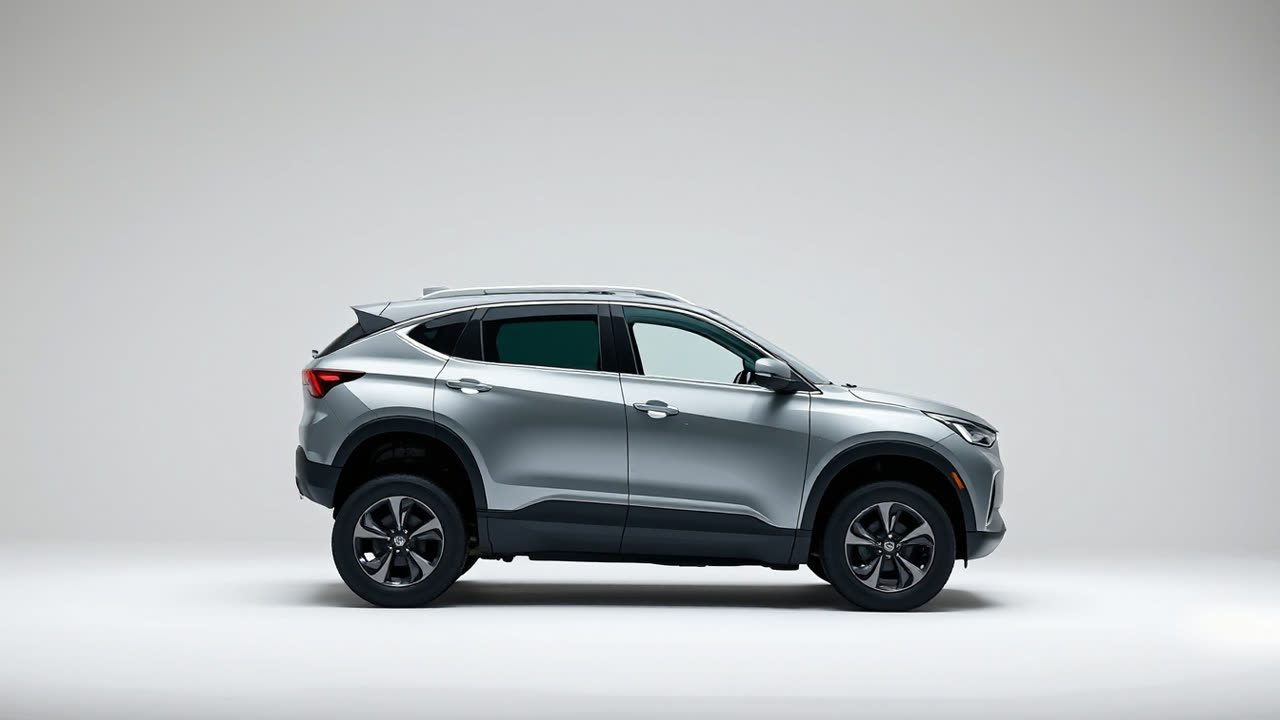
General Motors' newest six-passenger Starlight L PHEV SUV, launched in China by the SAIC-GM-Wuling joint venture, offers an impressive 260 km (~160 miles) of all-electric range and a 780-mile total driving range, positioning it as a highly disruptive "best value hybrid" with a starting price of approximately 132,800 yuan (around $19,900 USD). This vehicle is far more than just a regional offering; its robust specifications and strategic timing signal a significant pivot in GM's global electrification strategy, with strong indications of a potential North American debut.
The Starlight L PHEV, officially unveiled at Auto China 2026 and launched on July 16, 2026, is a mid-size crossover SUV built on Wuling's Tianyu Architecture, featuring a modern technology package and an upscale cabin designed with "Aerial Aesthetics". Its powertrain combines a 1.5-liter Atkinson-cycle internal combustion engine producing 106 hp with an electric motor, delivering a combined output of 170 kW (~230 hp). The SUV's headline feature, however, is its substantial 37.9 kWh LFP battery pack, which is roughly double the capacity of a modern Toyota RAV4 Prime and comparable to the first-generation Nissan LEAF. This large battery allows the vehicle to function more like an EV with a range extender for most daily commutes, greatly mitigating range anxiety for users. Inside, the six-passenger configuration offers a spacious 2+2+2 layout, including two captain's chairs in the second row, complemented by a 15.6-inch infotainment screen and an 8.8-inch digital cluster.
This launch arrives amidst a complex and evolving global automotive landscape, particularly for plug-in hybrids. GM had previously committed to an "all-in" battery-electric vehicle (BEV) future, even discontinuing PHEVs like the Chevrolet Volt in North America after 2019. However, facing slowing BEV demand, mounting financial losses, and a looming inventory crisis, the company has pragmatically recalibrated its strategy. CEO Mary Barra confirmed in early 2024 that GM would reintroduce PHEVs to its North American lineup by 2027, explicitly stating that the technology is "already in production in other markets," a clear reference to vehicles like the Starlight L in China. This shift is also driven by updated federal emissions standards for the 2027-2032 model years, which necessitate a diversified powertrain approach to ensure compliance and offer consumers more options.
The Starlight L PHEV's design and specifications strongly suggest it is a prime candidate for rebadging and introduction into the North American market. Its upright, sturdy SUV style and six-passenger seating align well with American consumer preferences, while Canada's more relaxed stance on Chinese imports could provide an initial entry point. GM currently lacks full-sized PHEVs in North America, with only the performance-oriented Corvette E-Ray representing its hybrid offerings. A rebadged Starlight L, potentially under the Chevrolet brand (some speculate as an Equinox PHEV), would fill a significant gap, offering a compelling blend of electric-first driving and gasoline backup. This would address a critical consumer need for improved fuel efficiency without requiring a full commitment to the still-developing BEV charging infrastructure.
In the competitive Chinese market, the Starlight L enters a crowded, yet softening, new energy vehicle (NEV) segment. While China's overall NEV fleet reached 48.97 million units by June 2026, accounting for 13.2% of the total vehicle fleet, domestic BEV and PHEV sales have faced headwinds, with PHEV sales down 33.2% in April 2026 compared to the previous year. Despite this, NEV exports from China surged by 120% in the first half of 2026, indicating a strong push by Chinese manufacturers to global markets. Rivals in the 6-seater PHEV SUV segment in China include popular models like the BYD Song Pro DM-i and the successful Li Auto I6, which recorded over 120,000 units sold since its September launch. However, the Starlight L's aggressive pricing at under $20,000, coupled with its substantial all-electric range, positions it as a formidable value proposition against competitors like the GWM WEY LanShan PHEV, which starts around $43,800.
Looking ahead, the Starlight L PHEV signifies a crucial step in GM's evolving global strategy. Its success in China, coupled with a potential North American launch, could solidify the role of advanced PHEVs as a vital "bridge technology" for the remainder of the decade. This marks a pragmatic acknowledgement that while the long-term vision for electrification remains, market realities and consumer preferences necessitate a diversified approach that includes highly capable plug-in hybrids. Expect GM to leverage its Chinese joint ventures more extensively, bringing proven, cost-effective PHEV solutions to other markets to meet both regulatory requirements and evolving consumer demand for flexible, efficient, and affordable electrified vehicles.