GM Unveils World-First LMR Prismatic Battery, Boosting EV Range and Cutting Costs
General Motors has announced its proprietary Lithium Manganese Rich (LMR) prismatic battery cells, set to deliver 33% higher energy density than LFP at comparable costs, marking a pivotal moment for EV affordability and performance.
✨ This content was summarized and interpreted by AI; it may contain errors — please verify accuracy with the original sources. Learn more
Listen to this story
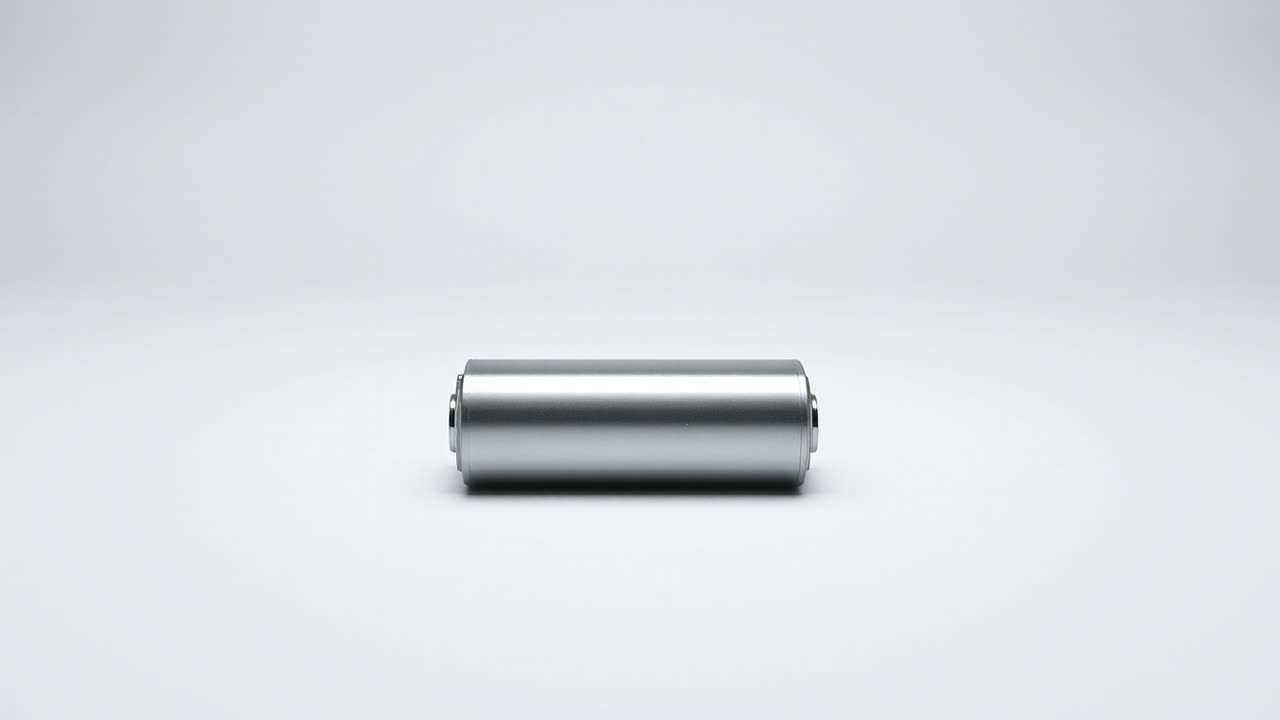
General Motors' announcement of its proprietary Lithium Manganese Rich (LMR) prismatic battery cells marks a significant inflection point in electric vehicle (EV) technology, promising a 33% increase in energy density over Lithium Iron Phosphate (LFP) chemistries at a comparable cost, and positioning GM as the first to mass-produce this advanced cell type. This breakthrough, slated for integration into GM's Ultium platform, directly addresses the core tension in EV adoption: the trade-off between range, cost, and performance. By achieving higher energy density, GM can equip its future EVs with either significantly longer ranges without increasing battery pack size or weight, or maintain existing ranges with smaller, lighter, and more cost-effective battery packs. The prismatic form factor further enhances packaging efficiency and thermal management compared to cylindrical cells, contributing to overall vehicle design flexibility and potential cost savings in manufacturing and assembly.
The strategic significance of LMR technology for GM, and indeed the broader automotive industry, cannot be overstated. For consumers, the promise of higher energy density at LFP-like costs translates directly into more accessible and appealing EVs. A 33% increase in energy density could mean an EV with a 300-mile range today could achieve nearly 400 miles on a single charge with the same battery volume and weight, or a vehicle could maintain its 300-mile range with a significantly smaller, lighter, and cheaper battery pack. This effectively expands the addressable market for EVs by alleviating range anxiety and lowering purchase prices, particularly for larger vehicles like SUVs and trucks where battery size and cost are critical factors. Lower battery costs directly impact the profitability of EVs, potentially accelerating the timeline for price parity with internal combustion engine (ICE) vehicles. Furthermore, the inherent stability and improved thermal characteristics often associated with LMR chemistries could lead to safer battery packs and longer overall battery lifespan, reducing long-term ownership costs for consumers.
From an industry perspective, GM's leadership in mass-producing prismatic LMR cells establishes a new benchmark for cost-effective high-density batteries, putting immense pressure on competitors. While LFP batteries have gained traction for their cost-effectiveness and safety, their lower energy density often necessitates larger, heavier packs for comparable range, impacting vehicle efficiency and design. LMR, a variant of nickel-manganese-cobalt (NMC) chemistry, typically uses less nickel and cobalt than high-nickel NMC variants, relying more on abundant manganese. This reduction in critical, often volatile, raw material inputs like cobalt can significantly de-risk supply chains and stabilize battery costs, offering a more sustainable path forward than solely pursuing high-nickel cathodes. The development underscores a broader industry trend of diversifying battery chemistries to optimize for different vehicle segments and price points, moving beyond a one-size-fits-all approach. For example, while some rivals are investing heavily in sodium-ion for ultra-low-cost, shorter-range vehicles, or silicon-anode technologies for incremental density gains, GM's LMR positions itself squarely in the sweet spot of mainstream performance and affordability. The existing Ultium architecture, designed for flexibility across various cell chemistries and form factors, will likely facilitate a smoother integration of these new LMR cells, leveraging existing manufacturing investments.
Looking ahead, the successful mass production and deployment of LMR prismatic cells by GM could catalyze a rapid shift in battery supply agreements and technological focus across the industry. Other manufacturers may be compelled to accelerate their own LMR development or seek licensing opportunities to remain competitive. This move by GM also provides a crucial bridge technology as the industry continues its long-term quest for solid-state batteries, which promise even greater energy density and safety but face significant manufacturing hurdles for mass production within the next few years. While LMR improves upon current liquid electrolyte limitations, it is not a solid-state solution. However, its advancements in material science and manufacturing processes for high-density, lower-cost cells could inform and accelerate the development of future battery generations. The immediate challenge for GM will be scaling production efficiently and ensuring the consistency and longevity of these new cells in real-world applications. Success here could cement GM's position as a leader in EV technology, driving down costs and making high-performance electric vehicles accessible to a much wider global audience, ultimately accelerating the global transition away from fossil fuels. The industry can expect to see the first production vehicles featuring these LMR cells likely within the next two to three years, setting a powerful new standard for mainstream EV battery performance and economics.