Google Pixel 11 Review: Minor Upgrade
The Google Pixel 11 arrives as a testament to the smartphone market's maturation, offering incremental improvements that solidify its position as a highly capable Android device, yet its "minor upgrade" status underscores a diminishing incentive for annual smartphone replacements, reflecting a broader industry trend where core functions are largely perfected.
✨ This content was summarized and interpreted by AI; it may contain errors — please verify accuracy with the original sources. Learn more
Listen to this story
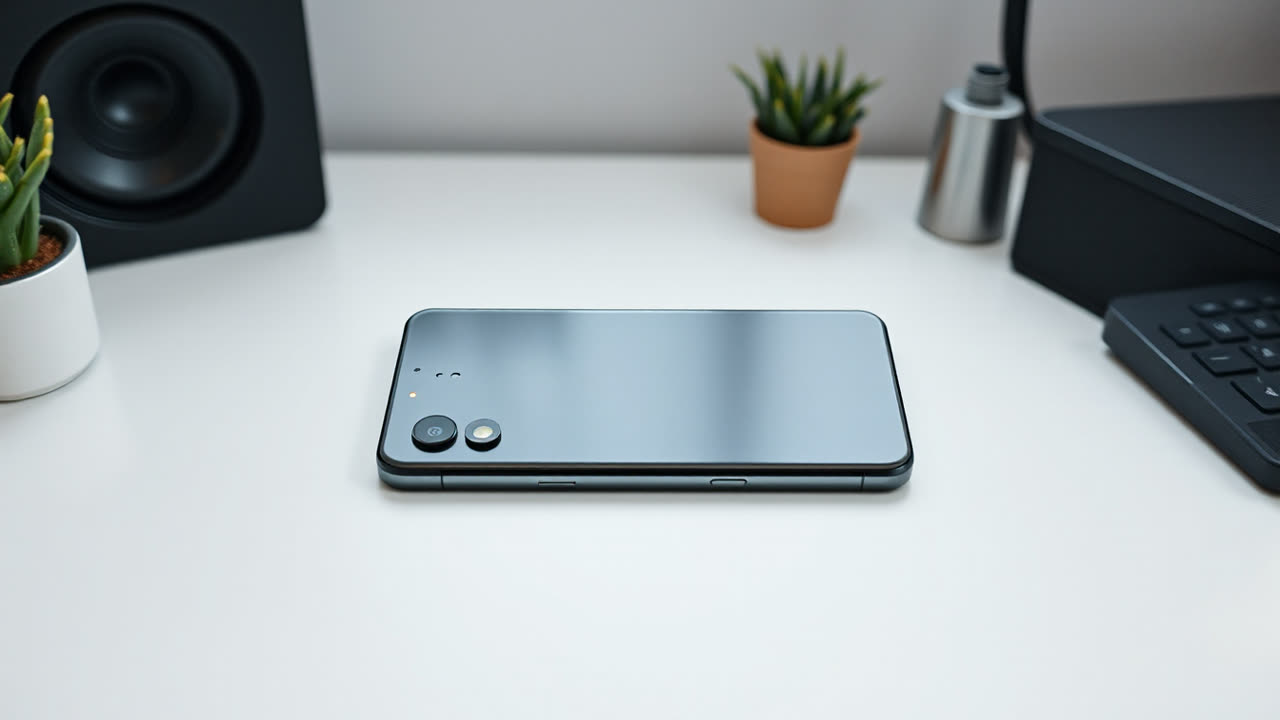
The Google Pixel 11 arrives as a testament to the smartphone market's maturation, offering incremental improvements that, while failing to ignite widespread enthusiasm, solidify its position as a highly capable Android device. While specific details on the Pixel 11 are speculative, previous generations like the Pixel 8 Pro, released in October 2023, showcased Google's commitment to advanced computational photography and on-device AI capabilities through its Tensor G3 chip. The Pixel 11, presumably powered by a fifth-generation Tensor G6 processor, likely refines these existing strengths rather than introducing radical hardware overhauls, focusing on enhanced efficiency, more sophisticated AI processing, and subtle camera advancements. This iterative approach is evident in its design, which is expected to maintain the recognizable Pixel aesthetic with refined materials and improved durability, building on the Pixel 8 Pro's scratch-resistant Corning Gorilla Glass Victus 2 and IP68 water and dust resistance.
This strategy of measured evolution holds significant implications for both users and the broader industry. For consumers, the Pixel 11's "minor upgrade" status underscores a diminishing incentive for annual smartphone replacements. Users with a Pixel 10, or even a well-maintained Pixel 9, may find the performance gains insufficient to justify an upgrade, especially given the premium price point that typically accompanies flagship devices. However, for those migrating from older devices or entering the Android ecosystem, the Pixel 11 still presents a compelling package. Its strength lies in the seamless integration of hardware and Google's cutting-edge software, particularly in areas like photography and AI-driven features. Google's Tensor chips are not designed to win raw benchmark wars against rivals like Apple's A-series or Qualcomm's Snapdragon 8 Gen-series, but rather to optimize specific AI workloads for features like Magic Editor, Best Take, and enhanced voice processing, which were prominent on the Pixel 8 Pro. The Pixel 11 would undoubtedly push these AI capabilities further, offering more refined photo and video editing tools, improved on-device language processing, and a more personalized user experience.
From an industry perspective, Google’s continued focus on incrementalism with the Pixel 11 highlights a broader trend: the smartphone has largely perfected its core functions. Manufacturers are now locked in a battle of refinement and software differentiation. Where Apple consistently leverages its ecosystem and custom silicon for unparalleled performance and integration, and Samsung pushes boundaries with hardware versatility (foldables) and expansive feature sets, Google carves its niche through AI-first experiences and a "pure Android" vision. The Pixel 11's expected reliance on the Tensor G6 chip exemplifies Google's long-term strategy to own the entire stack, optimizing software and hardware in tandem. This deep integration allows for exclusive features and a more efficient execution of AI tasks directly on the device, reducing reliance on cloud processing and enhancing user privacy. This strategy, while not always translating to market share dominance, reinforces Google's role as an innovator in computational photography and on-device machine learning, pushing rivals to invest more heavily in their own AI solutions.
Comparing the hypothetical Pixel 11 to its predecessor, the Pixel 10 (which would have likely refined the Pixel 9's advancements), the improvements would likely be subtle but meaningful. Expect a slightly brighter and more power-efficient LTPO OLED display, potentially with higher peak brightness and a broader color gamut. The camera system, while perhaps retaining similar sensor resolutions, would benefit from the Tensor G6's improved image signal processing and new AI algorithms for better low-light performance, more accurate color reproduction, and advanced video stabilization. Battery life would see a modest bump, driven more by the Tensor G6's efficiency gains than a significant increase in battery capacity. Against rivals, the Pixel 11 would continue to stand out for its unparalleled software experience, immediate Android updates, and sophisticated camera software. However, it might still face challenges in raw gaming performance compared to the latest iPhones or high-end Galaxy devices, and its hardware design, while elegant, might lack the innovative flair of some competitors.
Looking ahead, the Pixel 11's incremental nature suggests Google is playing a long game, steadily building its ecosystem around AI and unique software experiences. Future Pixel generations are likely to double down on this strategy, with the Tensor chip becoming an even more central differentiator. We might see further integration of AI into the operating system, making the phone more proactive and contextually aware. The industry could also see Google exploring new form factors or deeper integration with augmented reality as the next frontier for smartphone innovation. While the Pixel 11 may not be a revolutionary leap, its solid performance and refined AI capabilities signal Google's unwavering commitment to shaping the future of Android through intelligent, user-centric experiences, even if those experiences evolve incrementally year-over-year.