Google Pixel 11's 'Camera Looks' Redefine Smartphone Photography
Google's Pixel 11 series introduces "Camera Looks," a groundbreaking feature processing image data at the sensor level to produce distinct, film-like photos, fundamentally altering the smartphone photography paradigm.
✨ This content was summarized and interpreted by AI; it may contain errors — please verify accuracy with the original sources. Learn more
Listen to this story
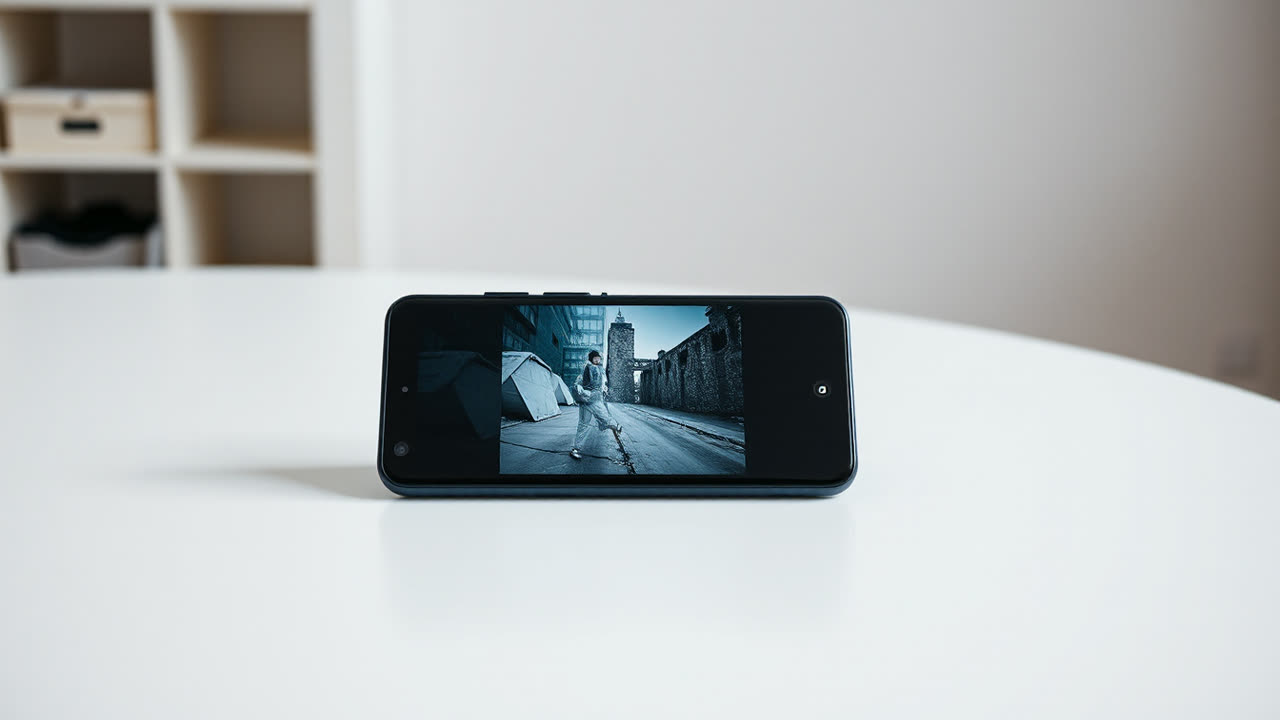
Google's forthcoming Pixel 11 series is poised to fundamentally redefine smartphone photography with its innovative "Camera Looks" feature, a paradigm shift that processes image data at the sensor level to produce photos deliberately shorn of the ubiquitous "smartphone look." This novel approach, exemplified by styles like "D," promises to deliver images with a distinctive character that has historically eluded computational photography, moving beyond mere algorithmic enhancement to offer a more authentic, film-like aesthetic directly from the device.
This development signifies a profound evolution in how Google, a pioneer in computational photography, views and executes mobile imaging. For years, the Pixel line has been synonymous with "point-and-shoot perfection," leveraging sophisticated algorithms like HDR+, Night Sight, and Magic Eraser to compensate for the inherent limitations of small smartphone sensors. While these features have democratized high-quality photography, they often imbue images with a certain digital sheen—a hyper-processed, sometimes artificial clarity that some users find sterile or lacking in artistic depth. Camera Looks directly addresses this sentiment by intervening at the earliest possible stage of image capture, manipulating raw sensor data to bake in specific visual characteristics rather than applying them as a post-processing layer. This deeper integration allows for a more organic and less overtly "computational" result, offering users an unprecedented level of creative control over the fundamental look and feel of their photos, directly from the camera app.
The impact on users is multifaceted. Beyond simply offering new "styles," Camera Looks empowers photographers to choose a foundational aesthetic for their images that resonates with traditional photography principles. Instead of a single, algorithmically optimized output, users can select a "Look" that might emulate film stocks, classic lens characteristics, or specific artistic moods. This moves the smartphone camera from a purely utilitarian tool to a more expressive instrument, appealing to a demographic increasingly seeking distinctiveness in their digital output. It also potentially reduces the need for extensive third-party editing, as the desired aesthetic is captured closer to the source. For the industry, this represents a significant challenge to the prevailing computational photography paradigm. Google, having largely defined the computational photography landscape, is now seemingly acknowledging its limitations and pushing past them. This could compel rivals like Apple and Samsung to explore similar sensor-level processing innovations, moving beyond their current "Photographic Styles" (Apple) and "Expert RAW" (Samsung) features, which primarily apply presets or offer more manual control over post-processing, respectively. Google's prior generation Pixel phones, while lauded for their consistent image quality, still exhibited the characteristic computational look, making this shift a clear departure from their established methodology.
The technical implications of processing image data differently at the sensor level are substantial. It suggests a more intricate interplay between the sensor hardware and the image signal processor (ISP), potentially requiring custom silicon or advanced machine learning models embedded deeper within the camera pipeline. This contrasts sharply with previous generations where computational photography primarily involved stacking multiple exposures and applying complex algorithms *after* the initial sensor readout. The "D" style, as reported, hints at a nomenclature that could expand into a suite of distinct visual profiles, each meticulously engineered to deliver a specific photographic personality. This is not merely a filter; it's an alternative interpretation of the light hitting the sensor, designed to bypass the conventional "clean" digital output in favor of something more nuanced and characterful.
Looking ahead, Camera Looks could catalyze a new era of "computational aesthetics" in smartphone photography. We might see an expansion of these sensor-level "Looks," perhaps even allowing third-party developers or photographers to create and share their own, pushing the boundaries of what a phone camera can achieve creatively. The challenge, however, will be in maintaining the balance between artistic freedom and ease of use, ensuring that these advanced features remain accessible to the average user while satisfying the demands of enthusiasts. This move could also influence professional camera manufacturers, as the pursuit of unique image characteristics from the ground up becomes a more prominent feature in a market saturated with technically perfect but aesthetically similar images. Ultimately, Google's Pixel 11, with its Camera Looks, is poised not just to capture moments, but to capture them with an unprecedented and deliberate artistic voice, potentially setting a new standard for photographic expression in the palm of one's hand.