Google Pixel Phones Get Dedicated Bluetooth Diagnostics
Google Pixel phones have quietly rolled out a dedicated Bluetooth diagnostics feature, offering users granular troubleshooting previously unavailable natively on most Android devices.
✨ This content was summarized and interpreted by AI; it may contain errors — please verify accuracy with the original sources. Learn more
Listen to this story
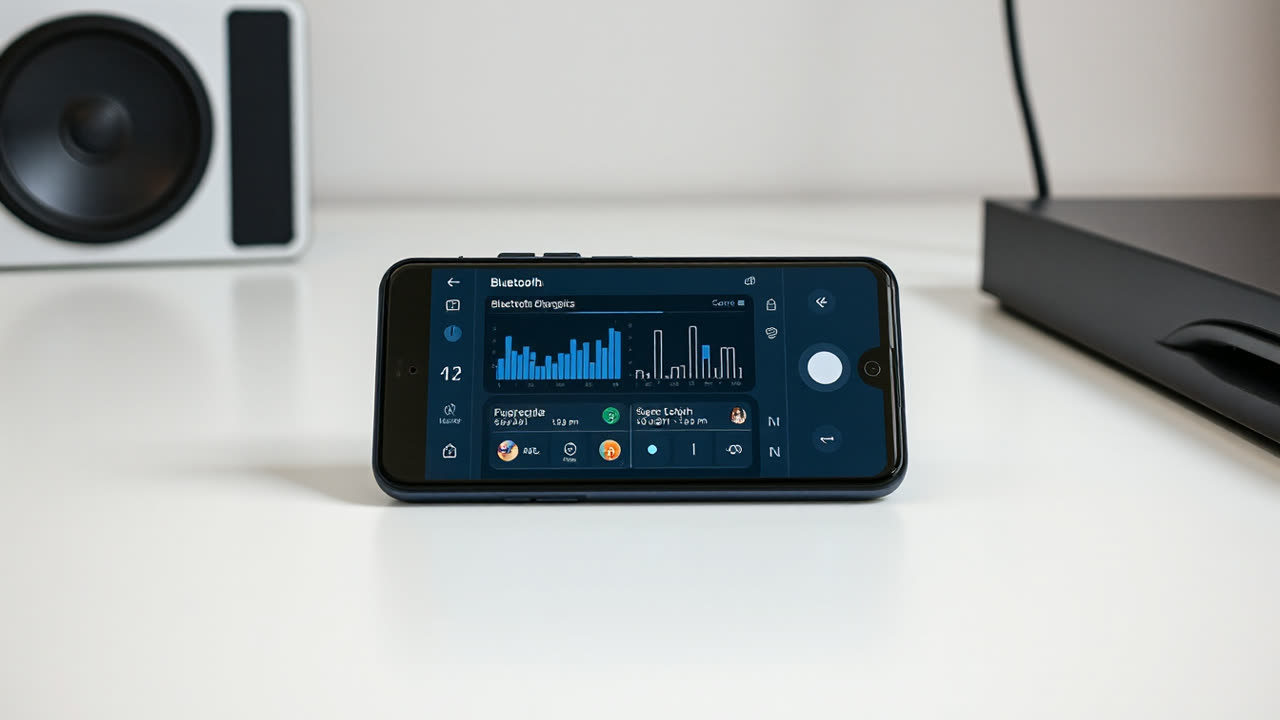
Google Pixel phones have quietly rolled out a dedicated Bluetooth diagnostics feature, accessible through the "Settings Services" app, offering users a granular troubleshooting tool previously unavailable natively on most Android devices. This new capability, which appears to have been progressively deployed to Pixel phones running Android 14 and above, allows users to pinpoint the root cause of common connectivity woes, such as devices failing to pair, intermittent audio dropouts, or unexpected disconnections, moving beyond generic "turn it off and on again" advice. The tool provides insights into active connections, signal strength, codec information, and even identifies potential interference, presenting a more sophisticated approach to managing the notoriously finicky wireless standard.
This development is significant because it directly addresses a long-standing pain point for Android users, particularly those with a growing ecosystem of wireless accessories. Bluetooth, while ubiquitous, remains a frequent source of frustration due to its complex interplay of hardware, software, and environmental factors. Prior to this, diagnosing Bluetooth issues on Android often involved a scattershot approach: resetting network settings, clearing app caches, or resorting to third-party diagnostic apps that offered varying degrees of reliability and depth. The integration of such a robust tool directly into the Pixel's system settings streamlines the troubleshooting process, potentially reducing the need for costly repairs or replacements of accessories that might simply be experiencing a software glitch. For users, this translates to improved device longevity, reduced downtime, and a more seamless experience with their wireless headphones, smartwatches, and car infotainment systems. The feature underscores Google's commitment to enhancing the user experience on its flagship devices, tacitly acknowledging the persistent challenges associated with Bluetooth connectivity across the broader Android ecosystem.
Compared to rivals, the Pixel's new diagnostic suite places it ahead of many mainstream Android manufacturers, few of whom offer such a detailed, built-in troubleshooting utility. While Apple's iOS has a reputation for more stable Bluetooth performance, its diagnostic tools for users are generally less exposed, often requiring deeper system logs or developer mode access to glean similar information. Samsung, a dominant player in the Android space, offers some network troubleshooting options, but typically lacks the dedicated, granular Bluetooth analysis now found on Pixels. This move by Google could set a new standard, pushing other Android OEMs to integrate similar capabilities to remain competitive in user experience. Historically, Android's open nature has led to fragmentation in how Bluetooth is implemented and managed across different devices, contributing to a wider array of compatibility and performance issues. Google's direct intervention with a first-party diagnostic tool on its Pixel line could serve as a blueprint for future Android versions, potentially driving greater consistency and reliability across the platform. The feature also represents an evolution from prior generations of Android troubleshooting, which largely relied on basic toggles and device reboots, offering little insight into the underlying problem.
Looking ahead, the introduction of this advanced Bluetooth diagnostic feature on Pixel phones is likely a precursor to broader improvements in Android's connectivity management. Google could further integrate AI and machine learning into these diagnostics, allowing the system to proactively identify potential Bluetooth conflicts or suggest optimal settings based on user behavior and environmental factors. We might see the diagnostics evolve to offer predictive maintenance, alerting users to potential issues before they manifest as full-blown connection failures. Furthermore, as technologies like Bluetooth LE Audio become more prevalent, requiring even more precise timing and codec management, sophisticated diagnostic tools will become indispensable. This could also pave the way for more robust self-service repair options, aligning with a growing industry trend towards greater device longevity and user empowerment. Ultimately, this Pixel feature signals a strategic shift from reactive problem-solving to proactive, intelligent connectivity management, setting a new benchmark for what users can expect from their Android devices in an increasingly wireless world.