Google Play Opens to Rival App Stores, Starting with Aptoide Games, After Antitrust Loss
Following a landmark antitrust verdict, Google Play now allows direct downloads of rival app stores, beginning with Aptoide Games, fundamentally reshaping Android's app distribution model in the U.S.
✨ This content was summarized and interpreted by AI; it may contain errors — please verify accuracy with the original sources. Learn more
Listen to this story
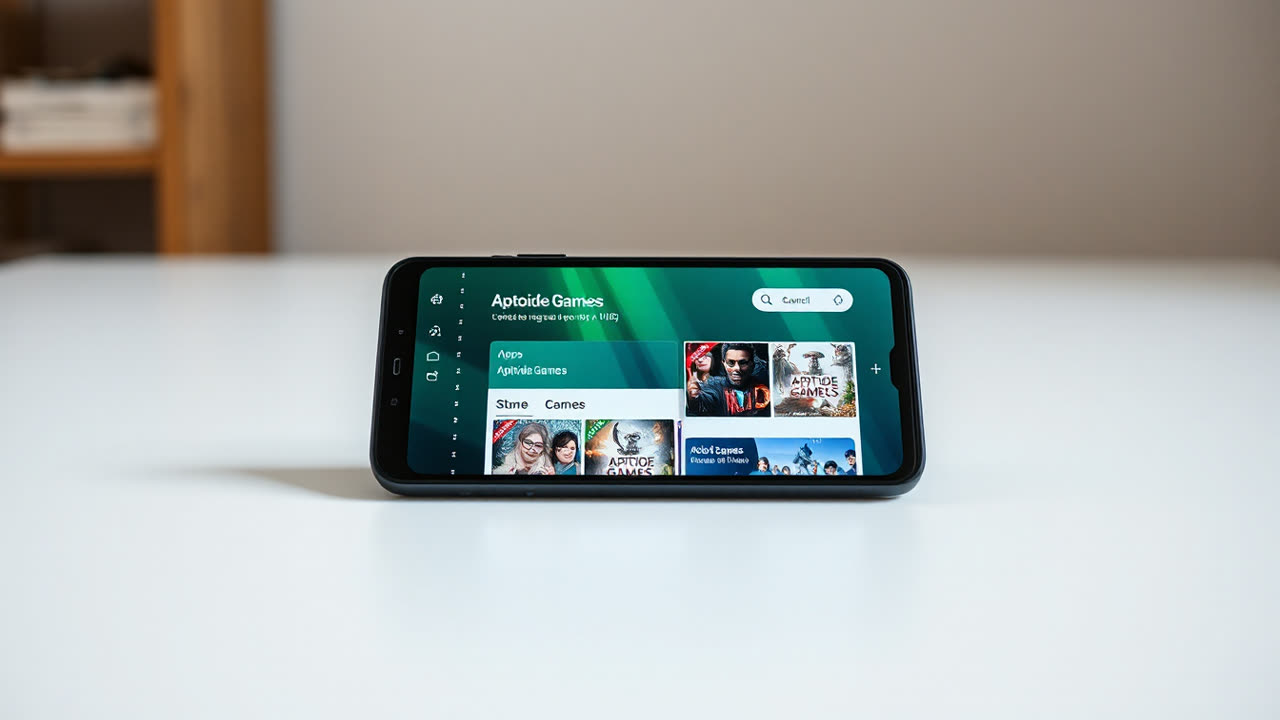
Google Play has just opened its doors to rival app stores, a monumental shift that sees Aptoide Games become the first third-party marketplace directly downloadable within Google's own storefront in the United States. This development, which became effective on July 22, 2026, marks the culmination of a protracted legal battle, primarily the Epic Games v. Google antitrust lawsuit, and fundamentally redefines the landscape of Android app distribution.
For over a decade, Android users seeking alternative app sources typically had to resort to "sideloading" — manually installing APK files and navigating through multiple security warnings. Now, with Aptoide Games available through a simple search and tap within Google Play, the friction has been dramatically reduced, making competing stores accessible to a much broader audience beyond tech enthusiasts. Paulo Trezentos, CEO and co-founder of Aptoide, emphasized that this change restores a choice users lost over ten years ago, promising increased options for users and new distribution avenues for developers, fostering a more open and competitive Android ecosystem.
This seismic shift was not voluntary for Google. A jury in December 2023 found Google guilty of operating an illegal monopoly with its Play Store and billing system, a verdict affirmed by the Ninth Circuit Court of Appeals in July 2025. U.S. District Judge James Donato subsequently issued a permanent injunction in October 2024, explicitly ordering Google to allow alternative app stores on Android devices and within the Play Store itself. While Google and Epic initially attempted a joint settlement in March 2026 to modify this injunction, proposing a "Registered App Stores" program that still relied on sideloading, Judge Donato's skepticism led to its withdrawal on July 15, 2026, forcing Google to comply with the original, stricter court mandate.
The implications for users are substantial. The removal of prohibitive barriers to alternative app stores is expected to drive competition, potentially leading to lower app prices, subscriptions, and in-app purchases. Developers, no longer solely reliant on Google Play's distribution, gain more control over monetization and can explore alternative payment systems, which Google is now also allowing in the US, UK, and EEA with a reduced 5% billing fee for Google Play Billing transactions (on top of a 10% service fee for the first $1 million in annual revenue). This contrasts with Google's previous standard 30% cut, which was lowered to 15% for the first $1 million in annual revenue in October 2025. The new "Play Catalog Access Program" requires third-party stores to pay a $5,000 annual fee for security and policy reviews, maintain a malware rate below 1%, and primarily serve U.S. users for catalog access.
However, this newfound openness isn't without its caveats. While Google will enforce its policies on apps listed in third-party stores, it explicitly states it will not review every app, manage updates, or handle payment processing for these external marketplaces. This raises potential concerns regarding security, refund disputes, and inconsistent user experiences, as consumers will now operate in marketplaces that Google technically approves but doesn't police with the same rigor as its own catalog. Historically, third-party app stores have been associated with higher risks of malware and less stringent vetting processes. Google is attempting to mitigate this by implementing a "verified developer" policy starting in 2026, requiring identity verification for all Android developers, even for sideloaded apps, to combat malicious software.
Comparing this to Apple's ecosystem reveals a divergence. Apple has largely maintained its "closed garden" strategy, successfully fending off a similar antitrust challenge from Epic Games, though it has been compelled by the EU's Digital Markets Act to allow third-party app stores and external payment options in Europe. Google, while historically allowing sideloading, has now been legally compelled to integrate rival stores directly into its primary distribution channel in the U.S., a far more impactful concession.
Looking ahead, Aptoide Games is merely the vanguard. Google has created a dedicated section within Play for third-party stores, signaling that other major players like Amazon, Samsung, and potentially even Microsoft's long-anticipated Xbox mobile store could follow suit. This could usher in a period of "app exclusivity wars," similar to streaming services, where users might need multiple app store apps to access their desired content. While this fragmentation could initially complicate app discovery and management, it promises a future where competition, not monopoly, dictates terms for developers and users alike, fostering innovation and potentially reducing costs across the entire Android ecosystem. The true measure of this shift will be how effectively Google balances openness with user safety, and how quickly developers and competing marketplaces capitalize on this unprecedented access.