Google Quietly Expands AI Training with User-Uploaded Search Data
Google has quietly started using user-uploaded images, audio, and video from its Search services to train its AI models, making this a new default setting for many accounts.
✨ This content was summarized and interpreted by AI; it may contain errors — please verify accuracy with the original sources. Learn more
Listen to this story
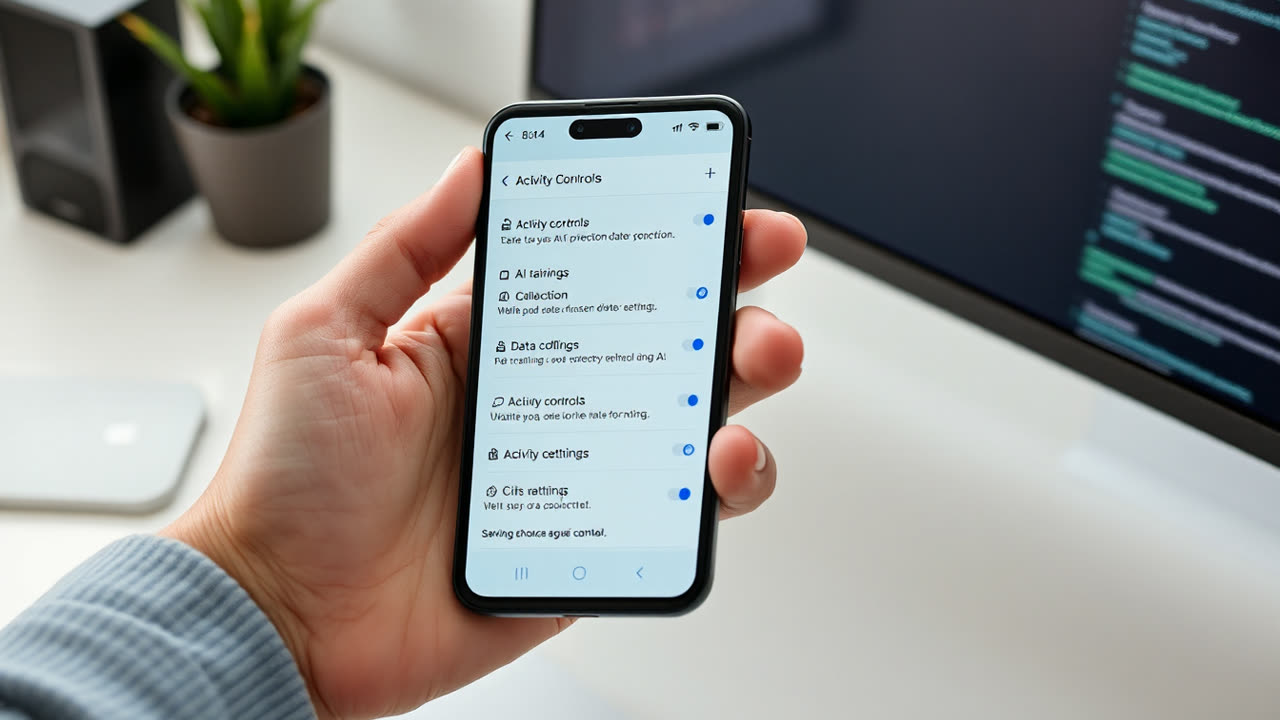
Google has quietly begun utilizing user-uploaded images, audio, and video from its Search services to train its burgeoning suite of AI models, a move that significantly broadens the scope of personal data fueling the tech giant's artificial intelligence ambitions. This new default setting, rolling out across user accounts in recent weeks, encompasses media shared through interactions with Google Lens, Search, Gemini Live, Maps, Translate, and other related services. While Google asserts that this data is anonymized and filtered to remove identifying information before being used for AI model development and safety measures, the sheer breadth of sensitive personal content now subject to AI training raises substantial privacy questions.
The shift means that unless users actively adjust their settings, their visual and auditory search queries—from photos uploaded for identification to voice commands and files shared for assistance—are contributing directly to Google's AI capabilities. This practice extends beyond general search to include "Smart features" within Gmail and Google Workspace, where content can be scanned for personalized assistance and broader service improvement. For Gemini users, chat conversations are also used for training unless "Gemini Apps Activity" is explicitly turned off, or "Temporary Chat" is utilized for sensitive interactions.
This latest update underscores a persistent tension between technological advancement and individual privacy. While Google frames this data utilization as essential for enhancing AI performance and user experience, it places the onus squarely on users to navigate complex privacy controls to protect their digital footprint. As AI models become increasingly sophisticated, the industry's default-on approach to data collection demands heightened vigilance from consumers. A few simple adjustments within Google's Activity Controls, specifically disabling "Save Media" in "Search Services History" and reviewing "Smart features" and Gemini activity settings, are crucial steps for users wishing to opt out of this pervasive AI training method.