Google's Googlebook: An AI-First Laptop Redefining Personal Computing
Google launches its Googlebook, an AI-first laptop line powered by Gemini, challenging Apple and Microsoft in the premium market with deep on-device intelligence and a unified Android/ChromeOS experience.
✨ This content was summarized and interpreted by AI; it may contain errors — please verify accuracy with the original sources. Learn more
Listen to this story
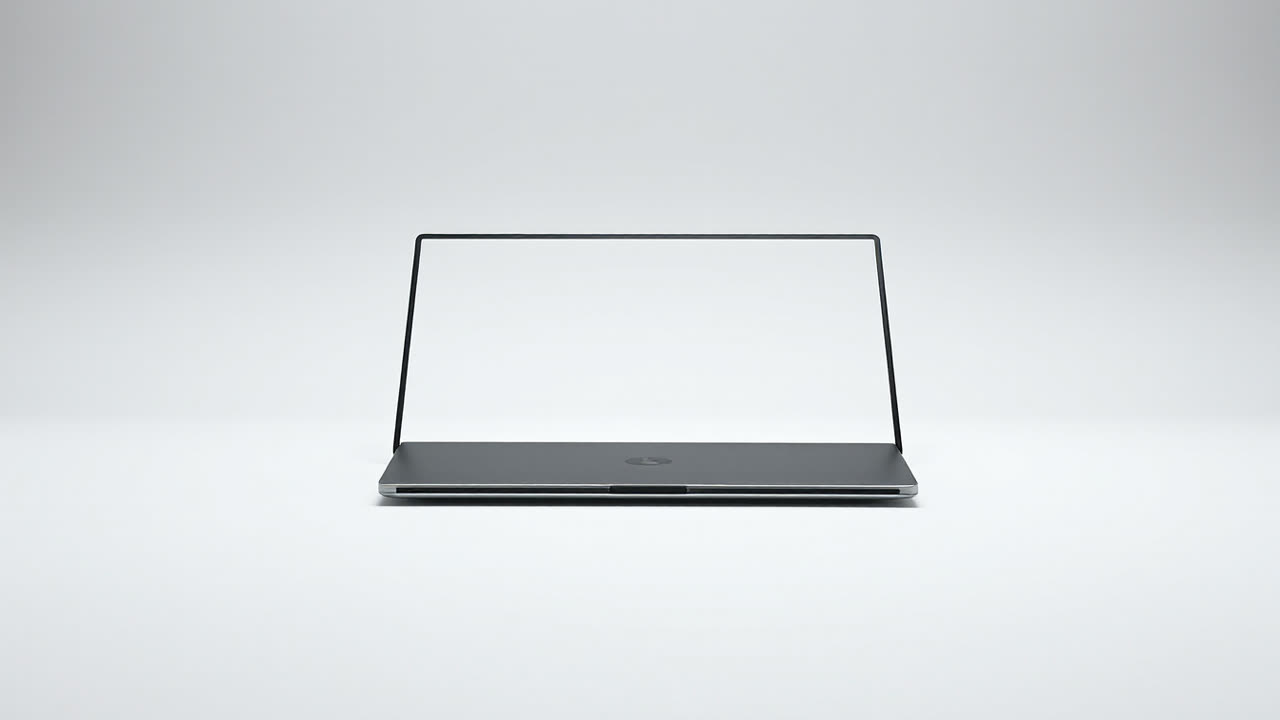
Google's new $899 Googlebook, launched today with pre-orders beginning immediately and devices shipping October 4th in the U.S. and October 5th internationally, signals a pivotal shift in the personal computing landscape, positioning Gemini AI as the core of the desktop experience rather than an ancillary feature. This premium laptop category, featuring models from Acer, ASUS, Dell, HP, and Lenovo, is an ambitious play by Google to redefine the laptop around artificial intelligence, moving beyond the cloud-first paradigm of Chromebooks. The entry-level Acer Googlebook 14 starts at $899, while other models like the ASUS Googlebook 14 and Dell XPS Googlebook begin at $1,299 and $1,199 respectively, reflecting a clear move into the high-end market previously dominated by Apple and Microsoft.
The Googlebook is powered by Intel Core Ultra Series 3 or Snapdragon X Elite processors, both equipped with Neural Processing Units (NPUs) delivering over 40 TOPS (Trillions of Operations Per Second) of on-device AI power. This dedicated hardware is crucial for running Gemini locally, enabling features like the "Magic Pointer," which allows users to select or lasso on-screen elements for Gemini to analyze, rewrite, or explain. Another key AI feature is "Rambler," imported from Gboard, designed to organize spoken thoughts into coherent text. Users can also create desktop widgets using natural language prompts, leveraging Gemini's generative capabilities. Beyond these, Gemini is deeply integrated into the Googlebook OS, which is a fusion of Android and ChromeOS, offering native Android app support with full mouse and keyboard functionality, and a "Cast My Apps" feature for seamless phone-to-laptop app beaming. This integration aims to create a cohesive ecosystem for Android users, allowing them to effortlessly switch between devices. Every Googlebook purchase includes 12 months of Google AI Pro, offering 5TB of cloud storage and Gemini Advanced tools, alongside other perks like YouTube Premium and Adobe Photoshop. Google also promises up to 10 years of software updates for the Googlebook OS.
This launch matters immensely as it represents Google's most concerted effort to challenge the established laptop market with an AI-first operating system. The industry is already seeing a significant shift towards AI PCs, with shipments projected to surpass half of global shipments in 2026, reaching approximately 59%. The global AI PC market, valued at USD 131.81 billion in 2026, is expected to grow to USD 574.36 billion by 2034, exhibiting a CAGR of 20.20%. Some reports even project the market to reach USD 1.77 trillion by 2034 with a CAGR of 42.9%. This growth is driven by the integration of NPUs, which enable faster, more efficient, and private on-device AI processing, reducing reliance on cloud services and improving battery life. Features like real-time transcription, summarization, and AI-assisted content creation are becoming standard, enhancing productivity for professionals and students alike.
Compared to rivals, Googlebook enters a market already seeing Microsoft's Copilot+ PCs, which also require a minimum of 40 TOPS NPU performance and 16GB RAM for their AI features. While Microsoft's initiative has focused on features like Recall, some analysts note that the public response hasn't always matched the hype, with hardware improvements often being more compelling than the AI features themselves. Googlebook aims to differentiate itself with a deeper, more pervasive integration of Gemini directly into the OS, moving from an "operating system" to an "intelligence system". This aligns with Google's broader strategy of embedding AI into search, workflows, and daily digital experiences, with Gemini 3.5 pushing AI beyond assistance toward autonomous task execution. The Googlebook's focus on a unified Android and ChromeOS experience also directly challenges Apple's tightly integrated ecosystem, which has long offered seamless cross-device functionality. However, Google faces the challenge of convincing users, particularly those accustomed to Windows or macOS, to adopt a new operating system, especially given Chrome OS's relatively small market share of under 3% in the U.S.. The perceived limitation of not running "real desktop apps" is a hurdle Googlebook must overcome.
Looking ahead, Google's Googlebook represents a significant gamble on the mass appeal of an AI-native laptop. The bundling of Google AI Pro and other software perks for a year is a strategic move to drive adoption and entrench users within Google's AI ecosystem. The long-term software support of up to 10 years also signals Google's commitment and aims to make the higher price point more palatable, akin to the longevity associated with Apple's MacBooks. The success of Googlebook will hinge not just on the raw power of its NPUs or the novelty of its AI features, but on how seamlessly Gemini genuinely enhances everyday workflows and provides tangible value that cannot be replicated on existing platforms. If Google can prove that Gemini's on-device intelligence is not just a gimmick but a fundamental improvement to computing, the Googlebook could carve out a substantial niche in the rapidly expanding AI PC market, potentially accelerating the industry-wide shift towards agentic AI and intelligent operating systems. Conversely, if the AI integration feels superficial or the OS limitations outweigh the benefits, Googlebook risks repeating the challenges faced by some of its predecessors in the AI PC space, highlighting that a truly transformative AI laptop needs to offer more than just impressive specs; it needs to fundamentally change how users interact with their devices for the better.