Google's Pixel 11 Event to Unveil New Phones, Watch, and AI-Powered Future
Google's highly anticipated Pixel 11 event is poised to unveil a suite of new hardware, including multiple Pixel 11 smartphones and a significantly refreshed Pixel Watch, with industry watchers bracing for potential price increases across the lineup.
✨ This content was summarized and interpreted by AI; it may contain errors — please verify accuracy with the original sources. Learn more
Listen to this story
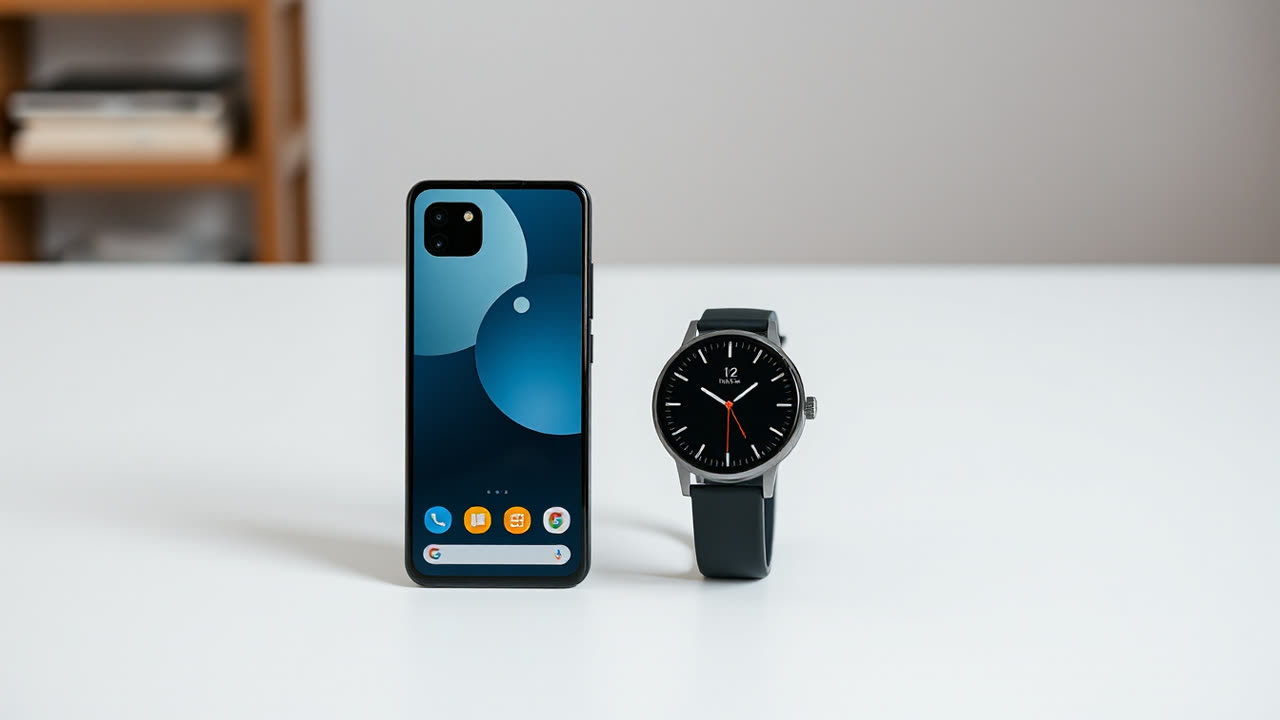
Google's highly anticipated Pixel 11 event is poised to unveil a suite of new hardware, including multiple Pixel 11 smartphones and a significantly refreshed Pixel Watch, with industry watchers bracing for potential price increases across the lineup. This event, typically a showcase for Google's latest advancements in AI-driven mobile technology, represents a critical juncture for the company as it strives to solidify its position in a fiercely competitive market dominated by Apple and Samsung. The expectation of "several new phones" likely points to the standard Pixel 11, a more premium Pixel 11 Pro, and potentially an updated Pixel Fold, continuing Google's strategy of offering a diverse range of devices to capture different market segments. The refreshed Pixel Watch, presumably the Pixel Watch 3, is expected to address previous generation critiques regarding battery life and performance, aiming for a more robust challenge to established smartwatches.
The significance of these launches extends beyond mere hardware upgrades, reflecting Google's deepening commitment to an integrated ecosystem powered by its custom Tensor silicon and advanced artificial intelligence capabilities. For users, the Pixel 11 series is expected to deliver a further evolution in mobile photography, leveraging computational photography enhancements driven by the Tensor G6 chip to offer unparalleled image quality and new AI-powered editing features. Beyond the camera, on-device AI is anticipated to bring more personalized and efficient user experiences, from enhanced voice commands and real-time translation to smarter notification management and predictive assistance that learns user habits. This could translate into a more seamless and intuitive interaction with the smartphone, distinguishing it from rivals that may rely more heavily on cloud-based AI. The potential price increases, however, could be a double-edged sword, potentially alienating some budget-conscious consumers while signaling Google's confidence in its premium offerings and the value proposition of its AI-centric features.
In the broader industry, the Pixel 11 launch will intensify the battle for smartphone innovation, particularly in the realm of on-device AI. Google's Tensor chip, custom-designed to accelerate AI and machine learning workloads, has been a cornerstone of the Pixel's identity since its introduction with the Pixel 6. Each subsequent generation has seen improvements in efficiency and capability, allowing for more complex AI tasks to be performed directly on the device, enhancing privacy and speed. The Pixel 11's Tensor G6 is expected to push these boundaries further, potentially introducing new generative AI features directly on the phone, a move that would directly challenge Apple's and Samsung's own AI strategies. For example, Samsung's recent Galaxy S24 series prominently featured "Galaxy AI," including features like Circle to Search and Live Translate, demonstrating the industry's pivot towards AI as a key differentiator. Google's response with the Pixel 11 will be crucial in defining the next wave of smartphone intelligence.
Comparing the anticipated Pixel 11 to its predecessors, the Pixel 8 and Pixel 9 series have steadily refined Google's hardware design, camera prowess, and software experience. The Pixel 8 introduced significant advancements in computational photography, while the Pixel 9 series further boosted Tensor performance and brought new form factors, possibly including an earlier iteration of a foldable device. Each generation has seen Google incrementally close the gap with industry leaders in terms of raw performance and premium feel, though market share remains a challenge. The Pixel Watch, similarly, has evolved from its inaugural generation, addressing initial criticisms with improved battery life and more robust health tracking features in subsequent models. The forthcoming "refreshed Pixel Watch" is expected to be a more complete package, potentially incorporating new health sensors, a sleeker design, and even longer battery endurance to truly compete with the Apple Watch Series X and Samsung Galaxy Watch 7, which have set high benchmarks for features and ecosystem integration.
Looking ahead, Google's Pixel 11 event is more than just a product unveiling; it's a statement about the future of mobile computing. The company's steadfast focus on AI integration, driven by its Tensor chip, suggests a future where smartphones become even more proactive and personalized assistants. We can expect Google to continue refining its hardware-software synergy, pushing the boundaries of what's possible with on-device AI. The success of the Pixel 11 and the refreshed Pixel Watch will largely depend on Google's ability to not only innovate but also to effectively communicate the tangible benefits of its AI-driven features to a broader consumer base. Furthermore, the potential price adjustments indicate a strategic shift towards solidifying the Pixel as a premium brand, directly competing with the top-tier offerings from Apple and Samsung. This could pave the way for an even more integrated Google ecosystem, where Pixel phones, watches, and other smart home devices work seamlessly together, leveraging ambient computing to anticipate user needs and deliver a truly intelligent experience. The long-term outlook suggests Google will double down on its unique AI-first approach, potentially expanding its hardware portfolio further to encompass a wider array of interconnected devices, all powered by an increasingly sophisticated Tensor platform.