Google's Pixel 11a Rumored to Pack Flagship Tensor G6 Chip, Shaking Up Mid-Range Market
Leaked information suggests Google's upcoming Pixel 11a will feature the same high-end Tensor G6 processor as its premium siblings, signaling a major strategic shift for the company's affordable smartphone line.
✨ This content was summarized and interpreted by AI; it may contain errors — please verify accuracy with the original sources. Learn more
Listen to this story
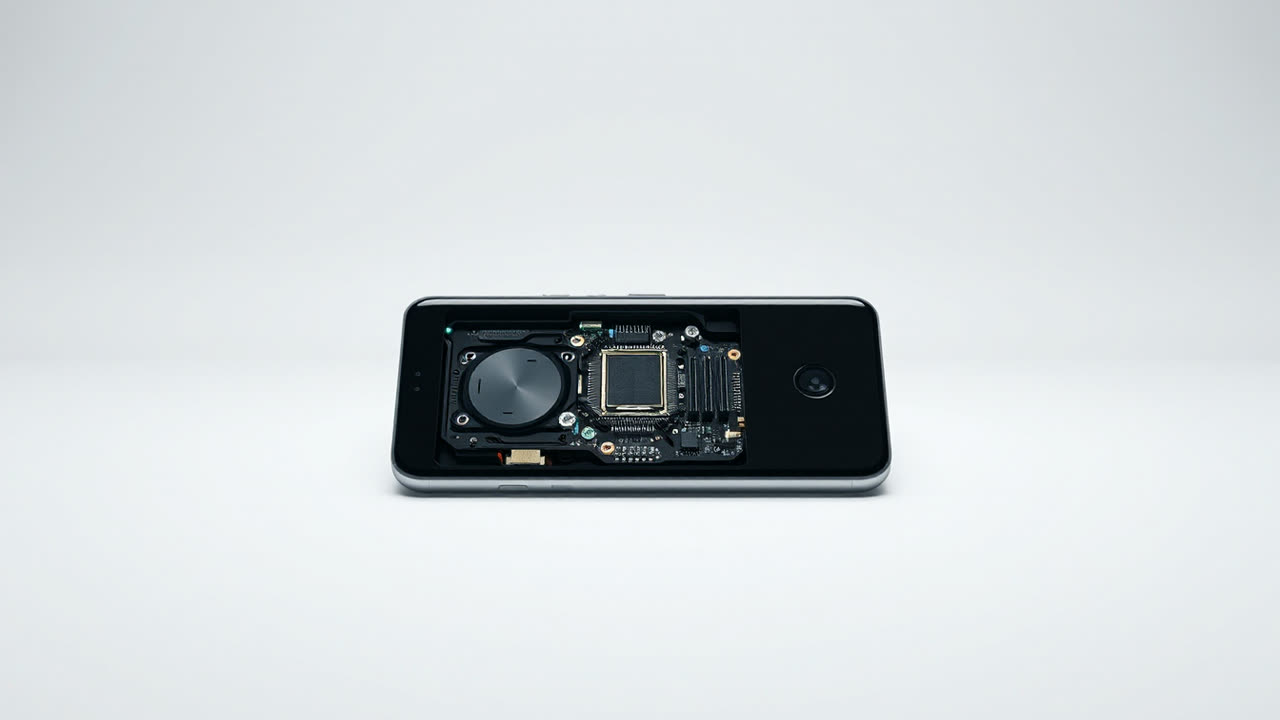
The Pixel 11a, Google's forthcoming mid-range smartphone, is strongly rumored to feature the flagship-grade Tensor G6 processor, a significant departure from its predecessor's strategy and a move that could redefine the "a" series' position in the market. This revelation, stemming from "Mystic Leaks" and cited by The Verge AI, suggests Google is abandoning the practice of equipping its budget-friendly Pixel A-series devices with a prior generation's Tensor chip. The Pixel 10a, for instance, shipped with the Tensor G4, while the Pixel 10 and 10 Pro utilized the more powerful Tensor G5, creating a distinct performance hierarchy. If accurate, the 11a would align directly with the processing power of the anticipated Pixel 11 and 11 Pro, marking a pivotal shift in Google's hardware strategy.
This rumored upgrade carries profound implications for both users and the competitive landscape. For consumers, the immediate benefit would be a substantial leap in performance, particularly for demanding applications, high-fidelity gaming, and, critically, on-device artificial intelligence tasks. Google's Tensor chips are custom-designed with a strong emphasis on AI and machine learning capabilities, powering features like advanced computational photography, real-time language translation, and sophisticated voice processing. A Tensor G6 in the Pixel 11a would unlock the latest iterations of these AI-driven features, offering a user experience previously reserved for premium Pixel models. This could extend the device's longevity, ensuring it remains capable of handling future software updates and increasingly complex AI workloads for several years, a crucial factor for budget-conscious buyers. However, this premium hardware might also translate into a higher launch price, potentially challenging the "a" series' traditional value proposition as an affordable entry point into the Pixel ecosystem.
From an industry perspective, Google's decision to equip the Pixel 11a with a current-generation flagship chip represents a bold strategic maneuver that blurs the lines between its mid-range and premium offerings. Historically, the "a" series has carved out a niche by offering the core Pixel experience—excellent cameras and clean Android software—at a more accessible price point, achieved partly by reusing older silicon. The Pixel 6a, for example, launched with the Tensor G1, the same chip as the Pixel 6 and 6 Pro, but subsequent generations like the Pixel 7a (Tensor G2) and Pixel 8a (Tensor G3) maintained a one-generation lag behind their flagship counterparts. The Pixel 10a continued this trend with the Tensor G4. A shift to the Tensor G6 in the 11a would position it as a direct performance competitor to its more expensive siblings, potentially cannibalizing sales of the Pixel 11 and 11 Pro, unless Google differentiates these models through other means like camera hardware, display technology, or build materials.
This move also intensifies competition within the fiercely contested mid-range smartphone segment. Rivals like Samsung's Galaxy A-series, typically featuring capable but often less-than-flagship Exynos or Snapdragon 7-series processors, would face a formidable challenge. For instance, the Samsung Galaxy A55 5G released in 2024 utilized the Exynos 1480, a strong mid-range chip, but unlikely to rival a full-fledged Tensor G6 in raw processing and AI capabilities. Apple's iPhone SE, a perennial competitor in the "affordable powerful phone" category, consistently integrates a previous-generation flagship A-series chip, offering robust performance. The Pixel 11a with a Tensor G6 would directly challenge the iPhone SE's performance dominance in this price bracket, potentially offering superior AI and camera features tailored to Google's ecosystem. Other Android players like Nothing and OnePlus Nord, which often rely on upper-mid-range Snapdragon chips, would also feel the pressure to innovate further to stand out against a more powerful Pixel "a" series.
Looking ahead, this strategic pivot suggests Google is doubling down on its Tensor chip development and its vision for an AI-first smartphone experience. If the Pixel 11a indeed ships with the Tensor G6, it signals Google's confidence in its custom silicon and its desire to democratize advanced AI features across its product line. This could lead to a future where the "a" series isn't just a budget alternative, but a true performance contender with a slightly different feature set or design. The pricing of the Pixel 11a will be critical; if Google can maintain a competitive price point despite the upgraded silicon, it could significantly disrupt the mid-range market. Conversely, a substantial price increase might alienate its core "a" series audience. This move could also influence the development of future Tensor chips, pushing for even greater differentiation between generations to justify the premium flagship models. Ultimately, the Pixel 11a, if these leaks hold true, won't just be another phone; it will be a statement of Google's long-term hardware ambitions and its commitment to making cutting-edge AI accessible to a broader audience.