Google's Pixel Buds Pro 2 and 2a to Receive Deep Gemini AI Integration, Skipping New Hardware This Year
Google shifts its hearables strategy, prioritizing deep Gemini AI integration and software upgrades for its next-gen Pixel Buds Pro 2 and 2a over new hardware releases this year, aiming for truly intelligent audio experiences.
✨ This content was summarized and interpreted by AI; it may contain errors — please verify accuracy with the original sources. Learn more
Listen to this story
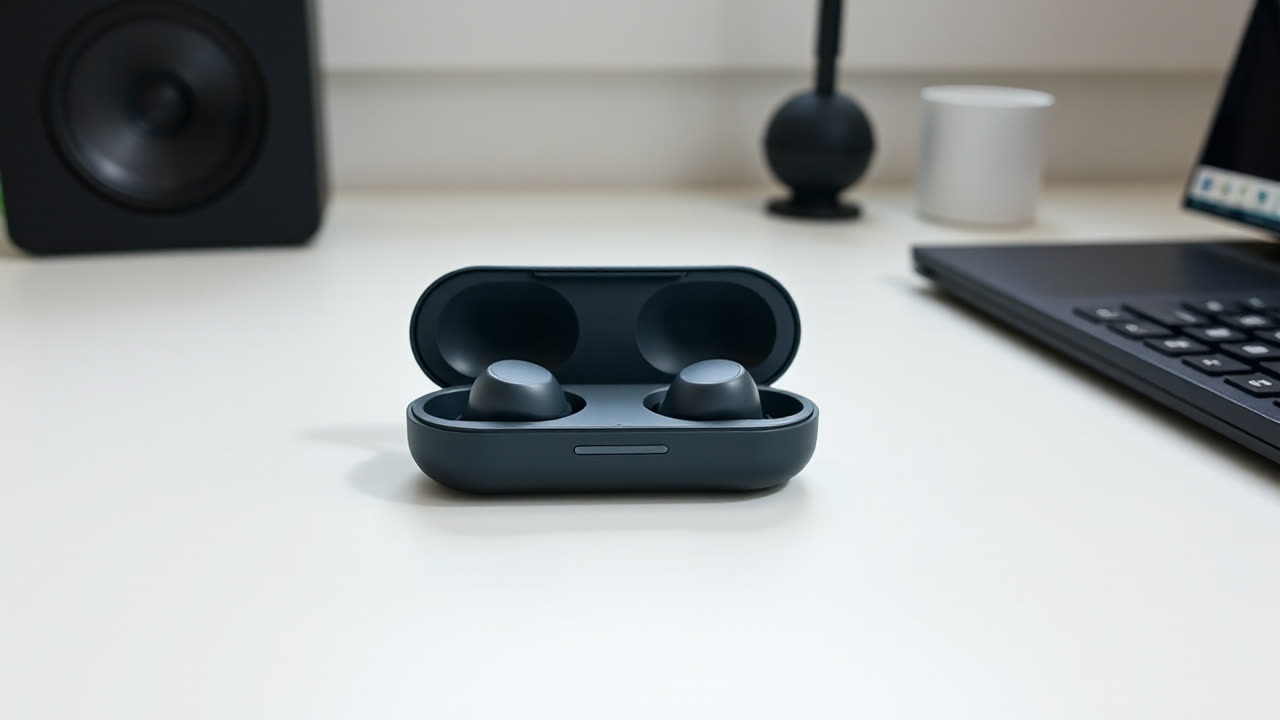
Google's strategic decision to forgo new Pixel Buds hardware releases this year, instead focusing on substantial software upgrades for its presumed next-generation Pixel Buds Pro 2 and 2a, marks a pivotal shift towards AI-centric audio experiences, with deeper Gemini integration at its core. This move signifies a maturation in Google's hearables strategy, prioritizing intelligent functionality over iterative hardware design, a trend gaining traction across the consumer electronics landscape.
The headline feature, profound Gemini integration, promises to transform the Pixel Buds from smart accessories into truly intelligent companions. Beyond the existing real-time translation capabilities, which have seen incremental improvements over prior generations, Gemini is expected to enable highly contextual and proactive assistance. Imagine, for instance, a user receiving a summary of incoming notifications directly in their ear, intelligently prioritized based on their calendar and location, or having complex queries answered with synthesized information drawn from multiple sources, rather than simple web searches. This level of integration moves beyond merely relaying information to actively processing and anticipating user needs, leveraging Gemini's multimodal understanding to analyze speech patterns, environmental sounds, and even biometric data where available, to offer personalized insights and actions. For instance, Gemini could detect signs of stress in a user's voice during a call and suggest a calming playlist post-conversation, or offer navigation cues based on real-time traffic and known user preferences without explicit prompting.
This deep AI infusion is critical for Google as the hearables market becomes increasingly saturated and commoditized. While the original Pixel Buds Pro offered strong active noise cancellation (ANC) and spatial audio, features now standard across premium earbuds, the Pro 2 and 2a differentiate by leveraging Google's formidable AI prowess. The impact on users will be a more seamless, less intrusive interaction with their digital world. Instead of pulling out a phone, users will have a conversational interface that understands nuances and maintains context across interactions, offering a truly hands-free experience that goes beyond basic voice commands. This could manifest in enhanced "Conversation Mode" features, where Gemini intelligently filters out background noise and focuses on specific voices, making group conversations in noisy environments significantly clearer. Furthermore, health and wellness applications could see a boost, with Gemini potentially analyzing vocal biomarkers for stress or fatigue, or providing personalized coaching based on activity data, moving Google's hearables into the realm of advanced health monitoring, similar to what we've seen with smartwatches.
Compared to rivals, particularly Apple's AirPods Pro and Samsung's Galaxy Buds, Google's strategy leans heavily into its software ecosystem and AI lead. While AirPods Pro excel in seamless integration within the Apple ecosystem and offer robust audio features, and Samsung's Buds leverage Bixby and SmartThings, neither has yet announced an equivalent deep, multimodal AI integration comparable to Gemini's potential. Apple is rumored to be exploring more advanced AI for AirPods, potentially leveraging on-device machine learning for personalized audio and health features, but concrete details remain scarce as of mid-2026. This gives Google a significant opportunity to establish a unique selling proposition, positioning the Pixel Buds Pro 2 and 2a as the most intelligent hearables on the market. The prior generation of Pixel Buds Pro, while competent, often felt like a solid contender rather than an innovator; the Gemini integration in the Pro 2 and 2a aims to change that narrative entirely, moving from a feature-parity play to a clear leadership position in intelligent audio.
Looking ahead, this strategic focus on software and AI over annual hardware refreshes suggests a long-term vision for Google's audio products. What comes next is likely a continuous evolution of Gemini's capabilities within the existing hardware, pushing over-the-air updates that unlock new functionalities and refine existing ones. This model, akin to how smartphones receive major OS updates, means the Pixel Buds Pro 2 and 2a could remain cutting-edge for longer, offering sustained value to consumers. We can anticipate further advancements in on-device AI processing to handle more complex Gemini tasks locally, reducing latency and improving privacy. Future iterations might also explore tighter integration with augmented reality glasses, creating a truly immersive and intelligent audio-visual overlay for daily life. Google's move isn't just about better earbuds; it's about establishing the Pixel Buds as a primary interface for its AI-first ecosystem, setting the stage for a future where our digital assistants are not just in our pockets, but intimately integrated into our perception of the world.